
Translated material
The leader of the opposition Zimbabwe asks to send the UN peacekeepers to the country
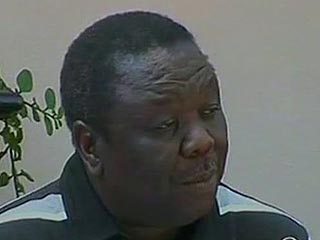
The leader of the opposition in Zimbabwe Morgan Tswangirai turned to the international community on Wednesday through the London newspaper The Guardian to send international troops of peacekeepers in order to ensure the democratic nature of the presidential elections in his country.
In his article, Tswangirai explains why he refused to participate in the presidential election . Recall that after the first round of voting in March, Tswangirai was a leader, gaining 47.9% of the vote. The current president Robert Mugabe, who has been governing the country for almost 30 years and does not intend to leave his post, received 42.3% and took second place.
Further, Mugaba did everything to prevent the opposition and her candidate to deprive him of the authorities: a wave of cruel repressions and arrests throughout the country followed. However, Mugabe did not dare to completely cancel the second round - in order to maintain at least some halo of the rule of law around his power in the eyes of the inhabitants of Zimbabwe.
“I do not want my supporters to risk my life, voting for me,” Tswangirai said, explaining his way out of an unjust, “non -political, election race”.
"We do not want an armed conflict, but the people of Zimbabwe need that the words of indignation from the world leaders are supported by morally justified military force," Tswangirai writes on The Guardian's pages.
“Such a force could act as peacekeepers, and not violators of calm. They would separate the people from its oppressors and protected the democratic process, which Zimbabwe strives,” the leader of the Zimbabvian opposition emphasizes. He asks the UN "actively isolate the dictator of Mugaba."
The next stage, in his opinion, would be new presidential elections. For some time, this will retain the atmosphere of painful uncertainty in the country, but only "new elections that are deprived of violence and intimidation - the path to the proper development of Zimbabwe," said Tswangirai.
As observers to the hypothetical elections, he invites representatives of the African Union and the UN.