
Translated material
Pharmacology against Freud: For treatment, psychiatrists are increasingly used by medicines
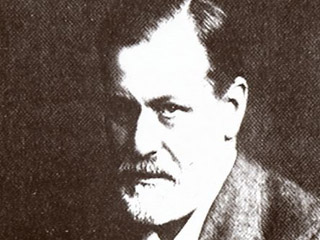
In the field of psychiatry, a new trend has been outlined: doctors practicing in the United States give preference to the rapid effect of the tablet, and not tedious conversations on the sofa.
In the authoritative journal Archives of General Psychiatry, statistics were given: at present, medical and psychological treatment in America is only 29% based on the “word therapy”, while this method of treatment was used in 44% of cases. Moreover, as the La Repubblica newspaper writes, the problem is not at all in the absence of qualified personnel, but in a lack of money from customers.
More and more psychiatrists who specialize in pharmacological agents are becoming, and less and less those who are engaged in psychotherapy, according to the study by Ramin Moitabay and Mark Olfson. In fact, drugs run the risk of eliminating not only the Freud orthodox psychoanalysis itself, but also more than 400 psychotherapy methods used today in the United States (full text on the website inopress.ru ).
The author of the article writes that the cause of this new trend is factors of a purely economic nature. Massimo Amanity, professor of Sapienza University, indicates changes in American medical insurance standards: if accounts were paid for visiting a psychotherapist, now the advantage is paid to paying the purchase of psychotropic drugs. The fact remains that psychoanalysis in its classic form - three sessions per week of an infinite number of years - is a luxury available only to the elite. Psychoanalysts, meanwhile, writes the author, revise their methods, try to develop short -term courses, which, in spite of everything, would give a positive result.
The monetary question explains a lot, but not everything, the author emphasizes - the use of drugs has become a habit. All age categories in the United States perceive medicines as the main method of treatment. “Very often,” says Ammanity, “primary school teachers call parents to school to recommend pharmacological agents intended for hyperactive children to their children.”
Which is strange, pharmacological methods support not only pharmaceutical enterprises, but also international medical literature, which is louder for integration between different types of therapy.