
Translated material
Research: Michelangelo frescoes contain Jewish symbols and attacks on the Catholic Church
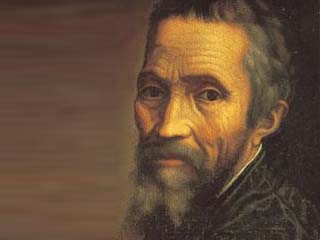
In the frescoes of the Sistine Chapel, the work of the famous Michelangelo is encrypted "not only Jewish, Kabbalistic and pagan symbols, but also insults to Pope Julia II, the customer of the work, and the references to his own sexual orientation." Inopressa.ru writes about this with reference to The Wall Street Journal .
Written by the Vatican guide by Roem Valiner in co -authorship with Rabbi Benjamin Blach, the work called "Sistine secrets: the forbidden messages that the Michelangelo left in the very heart of the Vatican" withstood two Italian publications and recently first left in English.
The faithful Jew Doliner assures that in this book there are no inventions or attacks on the Catholic Church, this is rather an attempt to reveal the comprehensive ties between Christianity and Judaism. " In the painting of the ceiling of the Sistine Chapel, Michelangelo, in his opinion, laid down the "mystical message of universal love - the bridge of understanding between the two religions," reports The Wall Street Journal. Doliner held a correspondent of this publication on the Sistine Chapel and answered several of his questions.
The book was the result of a six -year study, to which the valleys was prompted by the unexpected finds made by him in 1999, when the chapel opened after restoration. Two symbols that used to take for the Greek Alpha and Omega turned out to be the letters of Hebrew, and in the scene of the Last Judgment, which Michelangelo painted for the altar, he discovered the figures of two Jews.
Reiting from the desire attributed to him “to cash in on the phenomenon of“ Da Vinci Code ”, the Vatican guide told that he began his study long before Dan Brown's book, and at first was the“ biggest skeptic in the world. ”However, gradually“ Mikelangelo himself ”began to convince him that the coincidences noticed, and the pieces were not accidental, and The puzzle turned out. "
Doliner notes the "multi -layer" of the works of the Florentine master, who relates his genius with the genius of the Talmud. Michelangelo five centuries ago “tried to remind Rome that Christ was a Jew ... and that Christianity was underlying Judaism,” while the Holy Thron with all his might tried to "divide two religions." Since in Florence, according to the Doliner, directly opposite customs dominated, the political component was also in the artist’s position.
Moreover, Doliner is convinced that the order for the painting of the ceiling of the chapla was for Michelangelo a sentence that it was impossible to refuse: a more prestigious painting by the walls was given to other artists, and Michelangelo agreed only out of fear of Pope Julius II, who was called "formidable". According to the Vatican guide, the side paintings are dotted with hidden insults against the hated pontiff.
According to the Doliner, for the whole time of his long creative life, Michelangelo never used the services of a female model, and female figures never succeeded. All this, coupled with the image of sodomites, who, together with Dante, ended up in heaven on the michelangelo fresco, indicates that Michelangelo was a homosexual.
The efforts of the artist in the heart of the Catholic Church found a place for both the Jewish prophets and pagan Sivillah. Only with the help of sophisticated casuistry and some tricks of Michelangelo did Papal anger be avoided.