
Translated material
Icelanders are saved from the crisis in emigration
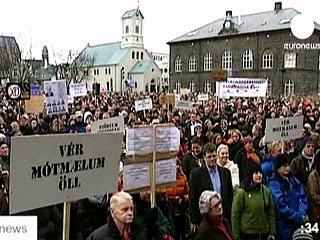
Iceland, an island country in the Atlantic Ocean with a population of 320,000, is experiencing the most difficult economic crisis since independence in 1944.
The economy of Iceland next year may lose 7.5 billion dollars, i.e. To be reduced by approximately 10%, according to the International Monetary Fund, which provided the country with a aid package of $ 4.6 billion.
About half of the Icelanders between the age of 18 and 24 are considering the opportunity to leave the country, the Morgunbladid newspaper writes in Reykjavik. The publication refers to a survey of 1,117 people conducted on October 29.
“Tens of thousands are ready to leave,” says Esper Kristesen, chief analyst of Danske A/S, the largest lender in neighboring Denmark. The most powerful wave of emigration from Iceland was in the late 1800s and in the early 1900s. Then 15 thousand of the 70,000th population left the island. The flow of emigration spread around the world, from North America to Norway, Sweden and Ireland.
A hundred years later, the Iceland's economy is fighting for survival. The national banking system collapsed under the weight of the country's external debt. Inflation in November reached 17.1% - this is the worst result over the past 18 years.
The Icelanders protest against the actions of the government were so strong that the police used tear gas to disperse demonstrations before the main police department Reykjavik.
Unemployment in the country, according to forecasts, can reach 7% by the end of January compared to 1.9% in October, the country's labor resources department said. “A lot of Icelanders are registered on the labor exchange,” says Valdimar Olafson from European Employment Services in Reykjavik. “Many are looking for work in Norway.”
Iceland has been under the rule of the Norwegians until 1262, then it was a Danish dominion since 1380. She received autonomy in 1904, and independence from Denmark in 1944.