
Translated material
All prices are rising in Moscow, except for the prices for detectors: 100 rubles for 15 years
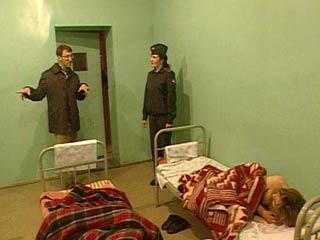
In Moscow, they will not increase the fee for the use of detachable, Interfax said, citing law enforcement agencies of the capital.
Now in the capital the lowest prices throughout Russia for the services of sobering.
The last time the cost of using the services of detectors was set for a very long time, by order of Moscow mayor Yuri Luzhkov and is still about 100 rubles.
There were no other orders for the amount of fees for the services of the medical workers after 1994.
The experience of providing medical services "for respectable citizens in medium and severe intoxication" is in Petrozavodsk. A specialized detachment is placed in a building renovated due to the city budget for 8.5 million rubles, and is not intended for all tipsy customers, but exclusively for decent dressed, and not falling into the category of asocial elements.
The institution is designed for 30 people and is designed to reduce the number of "drunken offenses." In 2008, only in Petrozavodsk drunk citizens committed 564 crimes. 498 citizens who were intoxicated were injured from the attackers: they were robbed, beaten, killed.
The experience of the Union Belarus indicates that Belarusians managed to creatively finalize not only the social sphere, but also the system of detachment from Soviet times.
In Minsk, they drink a lot, and many crimes happen precisely for the "bottle" reason, the "Evening Moscow" writes. But the police do not deliver anyone to the sobering. Her duty, having discovered a drunk citizen, is to call an ambulance. And already doctors, assessing the state of the “patient”, make a decision and take it to sobrous.
This procedure is paid here, therefore, if a citizen is able to at least call himself and say where he lives, he will be taken to the house or police, if they are on the way, or doctors. In the detachment, by the way, if he still gets there, the drunkard will also not fall-as soon as he can name his address, they will immediately call relatives.
Drinking, meanwhile, is fined. If a citizen comes across very drunk once, he will get off with a small fine, which will impose on him the head of the district department of the internal affairs. The second time the materials will already be sent to court.
On the sidelines of the Ministry of Internal Affairs, there is a conversation about conveying the detectors to the balance of the Ministry of Health of the Russian Federation. According to the Ministry of Internal Affairs, at the beginning of 2008, more than 600 medical detectors operated on the territory of the country, and about 240 were closed since 1999.
According to Rospotrebnadzor, from 1990 to 2006, the consumption of alcohol per capita in Russia increased by at least 2.5 times. This was mainly due to an increase in beer consumption (in the structure of the sale of alcoholic beverages, the share of beer increased from 59% in 1990 to 76% in 2006). Every day in Russia drink alcohol (including beer) 33% of boys and 20% of girls, about 70% of men and 47% of women.
Alcoholism is a formed disease that differs from domestic drunkenness with symptoms of the disease, the main of which is the formed syndrome of a severe morning hangover.
According to the leadership of the Ministry of Internal Affairs, the current system of medical detectors, assigned to the internal affairs bodies, does not fully fulfill the tasks in front of it.