
Translated material
The budget deficit in 2009 can reach an astronomical amount of 2.8 trillion rubles
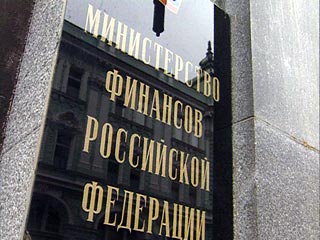
The Ministry of Finance can recount the budget parameters for 2009, based on the average oil price of $ 32 per barrel and the average annual rate of 34 rubles per dollar, Interfax said, citing a source close to the Ministry of Finance.
“The Ministry of Finance calculates all the scenarios that the Ministry of Economic Development provided, ” the ministry official told Vedomosti . “While the option of $ 50 per barrel remains basic, and 32 dollars are reserve.”
A pessimistic forecast can become basic, another official of the Ministry of Finance warns. The forecast published by the Ministry of Economic Development in December has not yet been approved by the government. Which option will become the main one is not yet known.
Depending on the success of the implementation of anti -crisis measures, there are several scenarios for the development of the country even when oil prices fall to $ 32.
Perhaps there will be another scenario - “super -passy”, but the final decision will make the prime minister at a meeting of the budget commission, which may take place in January.
According to the calculations of Alexandra Suslana from the economic expert group, when oil prices fall, the budget revenues will decrease to 6.2 trillion rubles, the deficit will be 7.3% of GDP.
If the pessimistic scenario is materialized, the budget deficit can reach 4% of GDP, Julia Trucheaeva from Merrill Lynch is more optimistic. Typically, a drop in oil prices by $ 10 costs the economy of oil countries in 0.2% of GDP growth.