
Translated material
The number of problematic banks in Russia was tripled
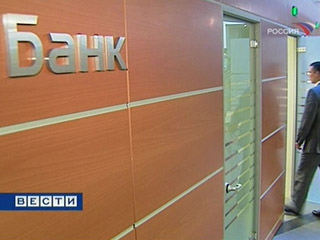
The number of potentially problematic Russian banks has recently increased three times and exceeds 150, the Bank of Russia stated. According to the regulator, negative dynamics reflects the fact of a decrease in the stability of the banking sector. Such banks will not be able to apply for state support and, most likely, will leave the market due to liquidity loss, Kommersant writes.
In the “Review of Financial Stability”, published on the eve of the results of 2008, the Bank of Russia stated “a decrease in the stability of the banking sector”. According to the regulator, this is evidenced by the “increase in the imbalance between the increase in lending and internal funding” - in 2008, the funds of organizations and citizens provided the issuance of 58% of retail and corporate loans, while in 2007 these sources covered 83.5% of lending.
The stability of banks is negatively affected by the gap in the urgency of the funds attracted and issued by them, and were ascertained in the Central Bank. The difference between the share of loans issued for a period of more than a year, and the shares of deposits of similar urgency increased to 12.3 percentage points against 9.9 in 2007. As a result, only during October -November 2008 the number of banks that did not observe the standard liquidity standard increased seven times from two to fourteen.
The Bank of Russia drew special attention to the growth of the number of potentially problematic banks, which "in the case of a crisis situation" can destabilize the banking system. Depending on the quality of assets and capital, as well as the profitability and liquidity of the Central Bank, classifies banks into five groups, of which the first two include banks that have no shortcomings or current difficulties in activity.
According to the report of the Bank of Russia, the number of banks in non -proceeding groups only in the third quarter decreased by 9.6% - from 1021 to 922 banks. The number of banks assigned to the problematic third -fifth groups increased three1 to 151 during the same time. They amounted to 14% of all banks against 8.8% in 2007, and the specific gravity of the banking system assets increased from 0.2% to 5%. According to the regulator, "this indicates a deterioration in the parameters of the system stability of the banking sector."
Experts note that in the future, the number of potentially problematic banks will increase even more. “The regulator includes the bank in a particular category on the basis of reporting data, which does not always reflect the true state of affairs,” continues Vladimir Andreev. “Besides, the situation in the market changes so rapidly that outwardly a healthy bank may also enter this category.” “Further deterioration in the financial condition of banks can lead to an increase in the number of bankrupt banks,” the Director General of Interfax-SEA fears Mikhail Matovnikov.
It is possible that over the next one and a half years, the number of existing banks will only be reduced by 100-150 for this reason, the expert suggests. Thus, the initial clearing of the banking market will occur due to loss of liquidity banks, and not because of a lack of capital.
Problems are not only "problematic"
Not only problematic, but also healthy players who are fond of the transfer of funds to state support into foreign assets lose access to the funds of the Central Bank. Yesterday, RIA Novosti, with reference to the director of the Department of Banking Regulation and Supervision of the Central Bank of the Russian Federation, Alexei Simanovsky, reported that according to the results of January, 52 out of 174 banks were reduced, that is, to each third bank admitted to auctions.
According to the results of December, the Central Bank acted less strictly: according to the review, the restrictions were imposed on 34 out of 136 banks admitted, that is, for every fourth player.