
Translated material
Analysts are afraid of stress tests
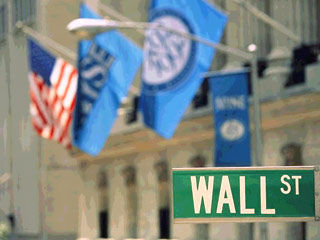
The first results of stress tests of the 19 largest American banks designed to assess the stability of the US financial system in case of aggravation of an economic recession should be published in early May. Despite the sedative statements of the American authorities, market analysts await the results of stress tests in a state close to panic, writes the British Financial Times .
The only positive that analysts are waiting for the results of stress tests is the appearance of at least some certainty that will replace the largest American banks on the part of investors and creditors of the largest American banks over the past few weeks.
Official Washington is trying to reassure the market: Timothy Gatener, secretary of the treasury, has repeatedly expressed confidence that the bulk of the largest credit institutions in the United States will be able to overcome the deepening recession without being nationalized or to undergo bankruptcy proceedings.
Nevertheless, there are no doubts to the financiers. First of all, the authorities still do not give reason to believe that detailed information on each of the banks participating in stress tests will be published, and not a certain consolidated indicator, which, at best, will show the "average temperature in the hospital."
Another reason for concern is the lack of confidence that the programs accepted by the state of ransom of bad assets will be enough to solve the problems found from American banks.
And in itself, the market reaction to the results of stress tests can cause new problems. The system has become extremely unstable. And 6 months that will be given to banks for replenishment of capital may be an empty sound. According to the former chief economist of the IMF Simon Johnson: "The very nature of the financial system has changed dramatically. The processes that previously occupied 10 years occur today in 10 days, or even in 10 minutes."
Another reason for pessimism is that the plans of the American authorities rely on the participation of private investors in delivering banks from "toxic" assets. Meanwhile, no guarantee is that investments in tools that have already caused multi-billion dollar damage to banks will be interesting to someone.