
Translated material
NASA will study the data on the possible damage to Endeavour
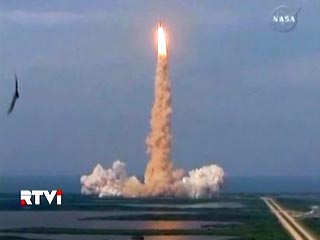
NASA specialists will have to study the data recorded by the video camera in the second minute after the start of the Endeavour shuttle. The agency confirms that, perhaps, the casing and the protective layer of the shuttle are damaged, reports on Thursday RIA Novosti with reference to AFP.
The crew of shuttle and employees of the International Space Station (ISS) will also have to carefully examine the outer layer of its corps. The degree of seriousness of possible damage has not yet been reported,
The Endeavour shuttle started to the ISS from the Cosmodrome at Cape Kanveral (Florida) on Wednesday evening by local time. After the launch of the shuttle, the fragments of insulating foam, which broke away from the outer fuel tank, could get into the shuttle case.
“Pieces of insulating foam were broken off. On the front of the shuttle, white marks are clearly visible in places of damage to the casing. We do not consider this a serious problem, although, perhaps, the protective layer is damaged,” said the official representative of NASA.
According to him, the broken fragments pose a great danger to the protective coating of the housing, however, the conditions in the atmosphere and the speed of shuttle reduce the risk of serious damage.
The launch of the Endeavour shuttle was scheduled for June 13th. However, then the technology discovered the flow of hydrogen. The repair took four days, and on June 17, NASA again tried to send the shuttle into space, but the leak manifested itself again. The start was postponed to July 11, then was postponed for 24 hours because of a strong thunderstorm on the eve of the day before. On Sunday, Monday and Tuesday, the weather also prevented the weather.
The shuttle of the 127th mission should deliver equipment to the ISS and seven astronauts: Mark Polanski, Daga Herli, Chris Kassidi, Tom Marsburg, Dave Wolf, Tim Kopra and July Payet. The Copra will remain as part of the ISS crew, it is replacing the Japanese Koiti Vakata.
For 16 days of expeditions, astronauts will have to mount the segment of the Japanese research module Kibo on the ISS, deploy the site for experiments in open space and conducting maintenance of the station. Astronauts will make five outputs into outer space.