
Translated material
August 8-15
On August 9, 1489 in the Moscow Kremlin, the consecration of the new Stone Blagoveshchensk Cathedral took place. At that time, Prince Ivan III began the construction of new chambers, and this led to the restructuring of the entire Kremlin ensemble. The Annunciation Cathedral on the Kremlin Cathedral Square is small. The temple thought, first of all, as the house of the family of the Grand Duke. The main attraction of the cathedral is the iconostasis with the icons of the brush of Andrei Rublev and Theophan Greek. Later, the porch was added to the cathedral, called Grozny. Allegedly, the king, deprived of the right to be in the temple after the fourth marriage, ordered to attach the porch on which he stood during the service. In fact, the porch existed before Ivan the Terrible, and the king was not forbidden to visit the church.
Alexander’s favorite administrative idea was the creation of the so -called "military settlements." “They will be at all costs,” he said, “at least I had to lay corpses from St. Petersburg to Chudov”

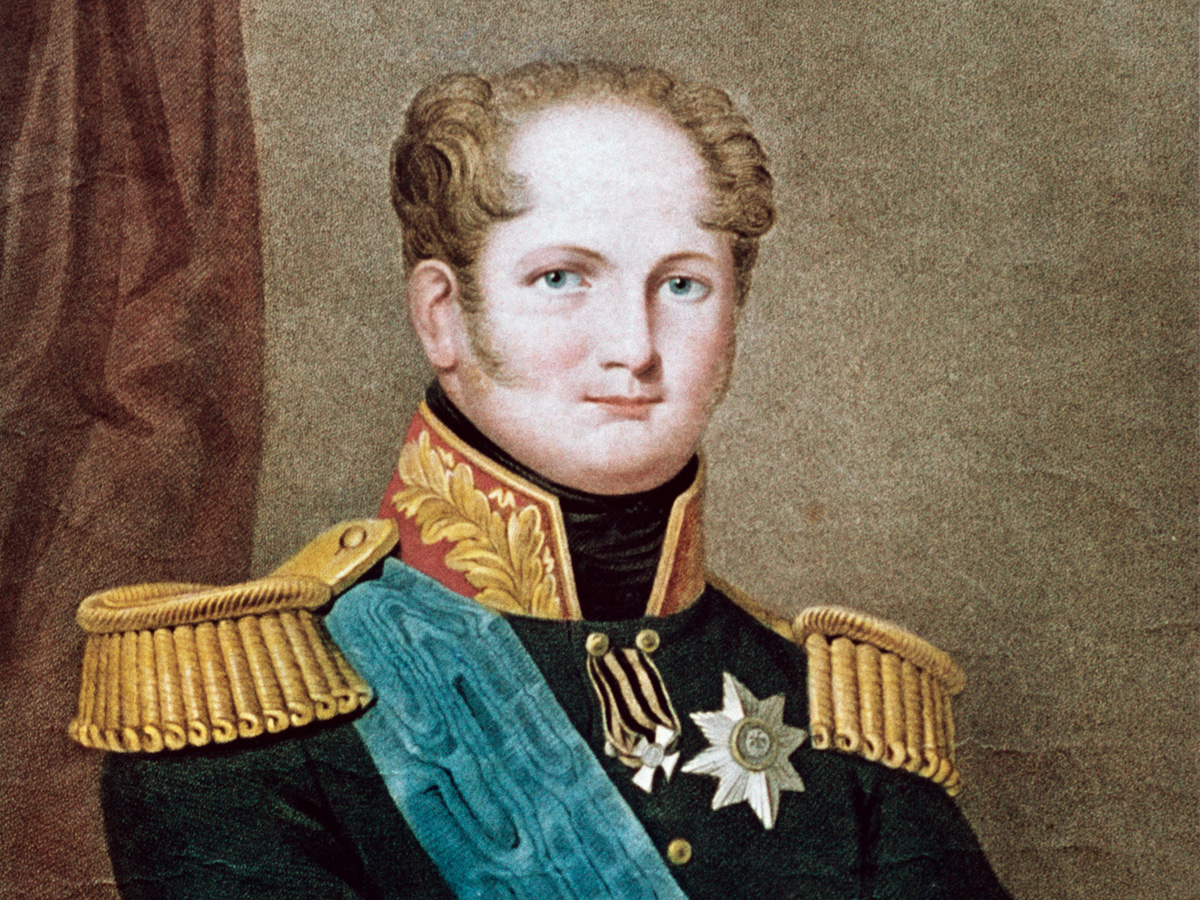
On August 10, 1816, Emperor Alexander I went on a three -month journey through European Russia. It was a time of the mystical hobbies of the emperor, who, as some contemporaries believed, obscured him with the need to engage in state affairs. Alexander’s favorite administrative idea was the creation of the so -called "military settlements." “They will be at all costs,” he said, “at least I had to lay corpses from St. Petersburg to Chudov.” Settlers simultaneously engaged in agriculture and carried out military service. Military settlements created on the state lands of the St. Petersburg, Novgorod, Mogilev and Kharkov provinces. Their device was entrusted to the favorite of the emperor General Arakcheev. By this time, the emperor had almost refused to support projects to cancel serfdom.
On August 12, 1881, American director Cecil de Mill was born. “At the age of forty,” the Kino Horge Sadul historian wrote about him, “this vulgar and pompous merchant sets a tone in Hollywood. He works in any genres, if only they have profit: from the secular comedy“ Male and Females ”and other films in the same way with Gloria Svenson to the loud anti -Soviet pamphlet“ Volga Burlaki ”and melodrama "Atheistic" directed against atheism .... " The Champion of the Cash register de Mill made productions in the manner of the Music-Kholny Reia: “Ten Commandments” and “King of the Tsars”. Their scenarios based on biblical texts were seasoned with mild eroticism and violence.
On August 13, 1914 , in the early days of World War I, the German cruiser Magdeburg suffered an accident at the island of Odenskolm at the mouth of the Gulf of Finland. Valuable documents on the radio communications of the German fleet fell into the hands of the Russian command. Some of these papers were placed at the disposal of the Admiralty, which helped in the formation of English radio intelligence. The first Lord of the Admiralty Winston Churchill called this gift of Russian allies "invaluable." Documents from Magdeburg had a great influence on the confrontation of the Navy of England and Germany.
On August 14, 1385, in the castle of Krevo between Poland and the Grand Duchy of Lithuania, a dynastic union was concluded, called the Krevsky Union. The Lithuanian Prince Jagiello entered into marriage with the Polish Queen Jadwig and received the Polish crown. The interest was bilateral, because both states threatened the Teutonic Order. The Union eliminated the danger of the inclusion of Poland in Hungary, Lithuania was able to focus on the fight against the Tatars. In exchange for the Polish crown, Jagielo was supposed to go to Catholicism along with all the subjects of the Principality of Lithuania. Shrevskaya Union laid the foundation for the formation of the Commonwealth.
On August 15, 1261, the Nicae emperor Michael VIII Paleologa solemnly joined Constantinople - the capital of the Latin Empire. The city fell without a fight, the empire, founded almost sixty years before by the crusaders, ceased to exist. The Latin Emperor Baldwin II fled. Mikhail proclaimed himself the ruler of Byzantium, taking the imperial crown in the temple of St. Sophia.