
Translated material
The economy of Eastern Europe can wait for further fall
While the West is chosen from the crisis, countries such as Romania, Bulgaria and Croatia continue to roll in inclined, writes the Berliner Zeitung newspaper, which is quoted by Inopressa.ru .
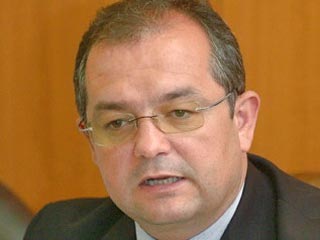
Romania Prime Minister Emil Bok wants to send all civil servants on unpaid leave for 10 days. The reasons for such a strange solution lie, on the one hand, in the desire of the IMF to reduce by 10% too high expenses for the maintenance of personnel in the countries of Eastern Europe, and on the other, that Bucharest cannot afford to reduce every tenth civil servant.
“The crisis of East European economies,” the author of the publication continues, “spread to politics.” So, in Croatia, due to its plan to introduce a three percent "crisis tax" and tangible reductions in the disgrace, Premier of Yadranka Coser fell into disgrace.
While in Germany, France and Japan there were the first signs of overcoming the crisis, many East European countries have yet to survive the worst times, the publication notes. So, in Romania, the decline in the economy only accelerated - for the second quarter it amounted to 2 percentage points more than expected. And in Croatia, the annual forecast was adjusted by 4% per minus. The worst of all things are in Ukraine and in Latvia - even light is not visible there at the end of the tunnel.
The Latvian economy is experiencing the strongest decline in the EU. The country's GDP in the first quarter of 2009 fell by 18%. Many enterprises could not stand the crisis and announced their bankruptcy.
The situation is not much better in other Baltic countries. Standard & Poor's international rating agency in early August reduced the long -term credit rating of Estonia. The decrease in the Estonian rating is associated with the economic challenges facing Estonia, which faced the need for economic adaptation to reduce dependence on external financing. This process can slow down the country's entry into the eurozone, the agency notes.
According to the Viennese expert in Eastern Europe, Vladimir Gligorov, there are 3 main reasons for the new abyss between the East and the West. Firstly, Eastern European banks, unlike the Western ones, do not issue loans, and secondly, the countries of Eastern Europe do not have funds for situation packages. Thirdly, the expert notes, in Eastern Europe it is easier to dismiss employees, which, under certain conditions, represents something like a “buffer”. This is especially evident in Romania: the unemployment rate in June has reached a record mark over the past 8 years.
The fact that the national currencies of the countries of Eastern Europe did not hit - what they feared until recently - Gligorov does not consider the reason for joy. According to the expert of the Vienna Institute of International Economic Research, the current situation with national currencies indicates that with falling consumption, the demand for currency has decreased - which is a disappointing stabilization effect for the national currency.