
Translated material
The National Bank of Ukraine will prohibit issuing loans in euros and dollars
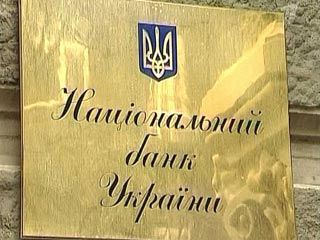
To reduce pressure on the hryvnia course, the National Bank decided to completely ban foreign exchange loan in Ukraine. Bankers discussed this perspective last Friday at a closed meeting with the NBU. The regulator has already expressed the willingness to lend to hryvnia banks on the security of the foreign exchange deposits they have. Bankers do not against the full transition to lending exclusively in hryvnias, but they are afraid that the initiative of the National Bank will lead to a decrease in betting on foreign exchange deposits, their temporary outflow, and the hryvnia received by swap operations will enhance the devaluation of the national currency, writes Kommersant-Ukraine .
According to one of the bankers, on Friday, at a closed meeting in the National Bank, the regulator announced his intention to completely ban the currency lending of not only the population, but also enterprises. “As a transitional option, we probably leave some types of currency lending. But we decided that if you cancel, then cancel everything,” confirmed a senior source in the NBU. He did not call the prohibition the date of the ban, noting that this issue is under the jurisdiction of the executive director of the foreign exchange regulation of Anatoly Balyuk. “Surely soon,” the NBU official added.
“When one of the bankers was indignant and asked:“ Where should we put foreign exchange deposits, if we cannot lend it? ” - the director of the foreign exchange department said that he would offer us swaps,” the banker said.
The National Bank began to fight currency lending immediately after the start of the crisis, which led to the devaluation of hryvnia by 60%. In October 2008, the NBU adopted a special resolution No. 319, which allowed banks to issue loans in currency only to residents with foreign exchange earnings. Already in December, the NBU introduced new reservation standards, which made the lending of the population in currency disadvantageous: the reservation rate when issuing a loan amounted to 50% of its amount, and in case of delay for one day - 100%.
In June of this year, the Verkhovna Rada adopted a law confirming the ban on lending in foreign currency. Loans in the currency were allowed to take in non -cash form only to pay for treatment and training abroad. Companies for obtaining a loan had to have currency revenue.
Bankers have no complaints about the complete ban on foreign exchange loans. "Currency lending is still worth it, since we can only give foreign exchange loans to exporters. Therefore, the abolition of foreign exchange loans is not a problem. Stop is needed if we want to support our monetary unit," the acting Chairman of the Board of the Index-Bank Evgenia Chemeris.
According to bankers, large international companies working in Ukraine are even interested in hryvnia loans. "The annual forward in hryvnias in London costs about 35-37%, half a year more expensive-40%. The head centers of large foreign importing companies can hedge risks there. It turns out that it is cheaper to be cheaper here. Therefore, it is more than 35%more than 35%, to take it more profitable than in dollars," explained the head of the treasury of one of the largest treasury banks with foreign capital.
But the ban on foreign exchange lending will make for banks absolutely unprofitable, the active attracting currency deposits that is now observed.
To stop the influx of foreign exchange deposits, banks will be forced to significantly reduce the rates for them. “This innovation will increase the outflow of currency from the country through VIP clients,” one of the bankers is sure. “The rate of 10% or less does not cover the risk of being in this country, and my customers open accounts in Switzerland or at least in the Czech Republic.”
Bankers and the planned NBU are afraid of swap-operations with foreign currency liabilities. “It is necessary to make changes to the legislation regarding derivatives, allowing a FOREKOSE SOP in Ukraine. In addition, it is necessary to reconsider the accounting of the currency position, because the swap does not affect the currency position abroad,” says the treasurer of one of the banks with Russian capital. “And what will banks with the hryvnia, received in the NBU on standard conditions? There will be no loan, because there will be no one, and this hryvnia will go again On the foreign exchange market, promoting the course. "