
Translated material
IMF sold to India 200 tons of gold to replenish its gold and foreign exchange reserves
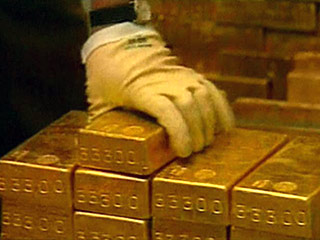
The International Monetary Fund sold 200 tons of gold to the India reserve bank for $ 6.7 billion, making the first transaction for the sale of this metal over the past nine years.
The transaction covers the daily volume of trading from October 19 to 30 at market prices. The average price of gold sales for India amounted to $ 1045 per ounce, Bloomberg said with reference to the IMF official.
India is the world's largest gold consumer, however, the main demand for metal is provided by jewelry industry and investors, while the Central Bank of the country never showed a particular intention to change the structure of 285 -million gold and foreign exchange reserves.
After the purchase, the share of gold in reserves will be about 6%, which is much less than in developed countries, but more than in China.
Impressive the growth rate of prices for this dragmetal: a few months ago, the IMF declared a price of $ 850 per ounces, but gold has spent more than 195 dollars more expensive in Indian reserves.
An agreement on the sale of 200 tons of gold to the reserves of India provoked the next weakening of the dollar at Asian auction on Tuesday, the Dow Jones agency notes. This news increased the expectations of investors that the central banks, especially Asian, will continue to reduce their dependence on the American currency.
In September, the IMF has already implemented 403.3 tons of gold to lend a low level of income on preferential conditions. In addition, Asian countries that have accumulated foreign exchange reserves after the 1998 crisis also show a growing interest in diversifying their dollar assets that continue to be depreciated, reports Bfm.ru.
The largest gold manufacturer, China, has increased its reserves of this metal by 76% from 2003 - to 1054 tons - and became the fifth largest gold reserves in the world, in April this year Hu Xiaolian, the head of state administration of the PRC currency control.
The Russian Central Bank also actively increases the share of gold in its reserves, trying to get rid of dollar devaluation. For September, gold reserves in the reserves of the Bank of Russia grew by 2.2% and amounted to on October 1, 19 million triple ounces, according to the Central Bank. Since the beginning of 2009, growth amounted to 14%, and from September 2008 to September 2009, the gold reserves of Russia increased by 20%.