
Translated material
FT: Russia seeks to cool passions on the ruble against the background of the rise in price of oil
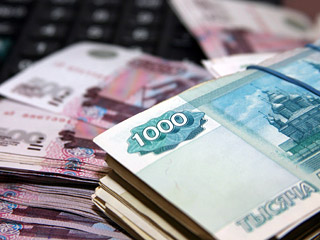
According to The Financial Times , the Russian Central Bank had to intervene, and he took measures to contain the growth of the ruble.
Since March, the ruble strengthened its position by 15% in relation to the bivalyut basket in connection with the increase in oil prices and the fall of the dollar.
The newspaper recalls that from the beginning of September, the ruble has grown relative to the bivalyut basket by 8.5%, and its exchange rate to the dollar for the same period rose by 10.7%. Having reached maximum indicators since December last year, the Russian currency played more than half of the losses from the financial crisis.
According to the director of the department of operations in the financial markets of the Bank of Russia Sergey Shvetsov, this is the result of short -term currency speculations. He does not advise expecting a stable ruble strengthening in the near future.
Neil Shering from Capital Economics recalls that previously the active influence on the ruble of oil prices was largely sterilized by the operations of the stabilization fund and had a relatively weak impact on the exchange rate.
“But now everything has changed - the authorities have not replenished the stab fund since August, and the growth of oil exports has led to the adjustment of the currency course. Thus, the prospects of the ruble are still inextricably attached to the price of oil,” he says.