
Translated material
The "garlic bubble" is growing in China
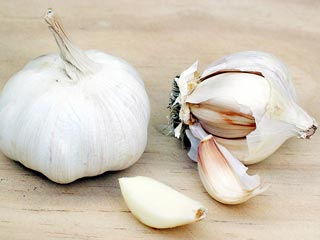
This year, investing in garlic in China turned out to be more profitable than in gold or silver. The Chinese always loved this vegetable, but there has never been such a jump in prices, in comparison with which even a boom in the real estate market will fade, writes Bfm.ru with reference to the Western media.
According to the Chinese Ministry of Trade, the average price of a kilogram of garlic increased from 1.6 yuan in March to 6.14 yuan at the moment. In some markets, the price jumped 15 or even 40 times, the newspaper The Independent reports with reference to the Morgan Stanley analyst Jerry Lou. In particular, such a maximum round of prices, according to The Wall Street Journal, is observed in the County of Jinsyan of the Province of Shandun, the largest "garlic" region of China.
In an interview with The Washington Post Lu explained: "You will need a storage, significant funds and several trucks. In fact, you are trying to control the maximum possible share of the offer and inflame prices. Supply for garlic from one warehouse to another, you earn millions of dollars."
In China, garlic is a big business. Here it is produced more than in all other countries of the world combined. And a significant share is exported. When the wholesale price grows, someone manages to earn a lot, and someone risks losing-in case of sudden fall.
So, as once happened in Holland. Do not forget the story. Today's situation resembles a tulip fever in Holland in 1637, when many went bankrupt, believing that the prices of tulips bulbs will grow endlessly, notes The Independent.
At first, many associated this amazing increase in prices with fears about the flu AH1N1. For many years, residents of Northern China ate garlic to protect themselves from the virus. But there are other means with the same preventive properties, for example, honey, which is not observed for such an increase in prices.
The Wall Street Journal, citing the director of the Guangzhou Institute for Respiratory Diseases, Zhon Nanshan notes that there is no data that garlic helps to prevent A/H1N1, although it really kills bacteria.
Economists have a better explanation. They believe that the "garlic bubble" is growing against the background of a massive increase in bank lending. Significant funds are allocated to stimulate the economy, but they seep on the market and stimulate speculative bubbles. At the same time, land areas under the cultivation of garlic sharply decreased, which led to a non -military demand and demand.
“The amount of liquidity in the market can provoke speculations too much,” Morgan Stanley analysts comment on the “garlic boom” in the research note.