
Translated material
The DPRK threatens nuclear blows to those who try to change power in the country
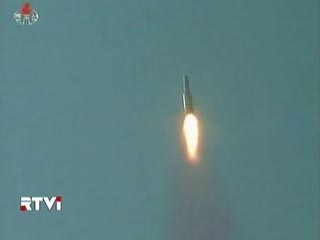
Pyongyang criticized the United States on Friday for considering the scenarios of the DPRK to contain and warned of "unprecedented nuclear strikes" against everyone who would encroach on the power in the country.
An application that notes that “such a deterrence is necessary for South Korea than for the North,” distributed through the channels of the Central Telegraph Agency of Korea on behalf of the Main Headquarters of the Korean People’s Army, Interfax reports.
Earlier this week, the commander of the American Armed Forces in South Korea, General Walter Sharp, expressed a warning about the possibility of an unexpected collapse of the current government in the DPRK and urged to prepare for such a development of the situation as soon as possible.
According to him, South Korea and the United States are ready for local unrest, conducting humanitarian operations, and even to eliminate weapons of mass destruction in the north.
Recall that on the eve of the analyst of the National Intelligence Service of South Korea stated that the DPRK leader suffers from diabetes . In the photographs of Kim Jong Ira, white nails are visible, which most likely indicates a chronic kidney disease. Doctors also noted the too dark color of Kim Jong Ira’s palms, which is one of the signs of renal disease. In addition, on the basis of available videos, the expert concluded that the leader of North Korea is partially paralyzed after a stroke he had been transferred in August 2008.
Meanwhile, the DPRK is in a difficult economic situation. North Korean immigrants who fled to China claim that many of their compatriots lose faith in the regime after the catastrophic revaluation of the local currency - Vona, which destroyed their savings.
Food in the country became the most meager during the mid-1990s, when up to two million people died of hunger. The revaluation led to the fact that even the main foods that can only be bought from traders in the black market have disappeared from the shelves.
“The whole economic structure fell due to the reform of the currency,” said James Kim, teacher and president of the University of Science and Technology Yanbyan in Yanji in China. “For them it is a very difficult situation ... It can end even worse than in the 1990s.”