Date
Author
Юрий Жигалкин; Александр Сиротин
Source

Preserved copy
Translated material
Is the artificial DNA created?
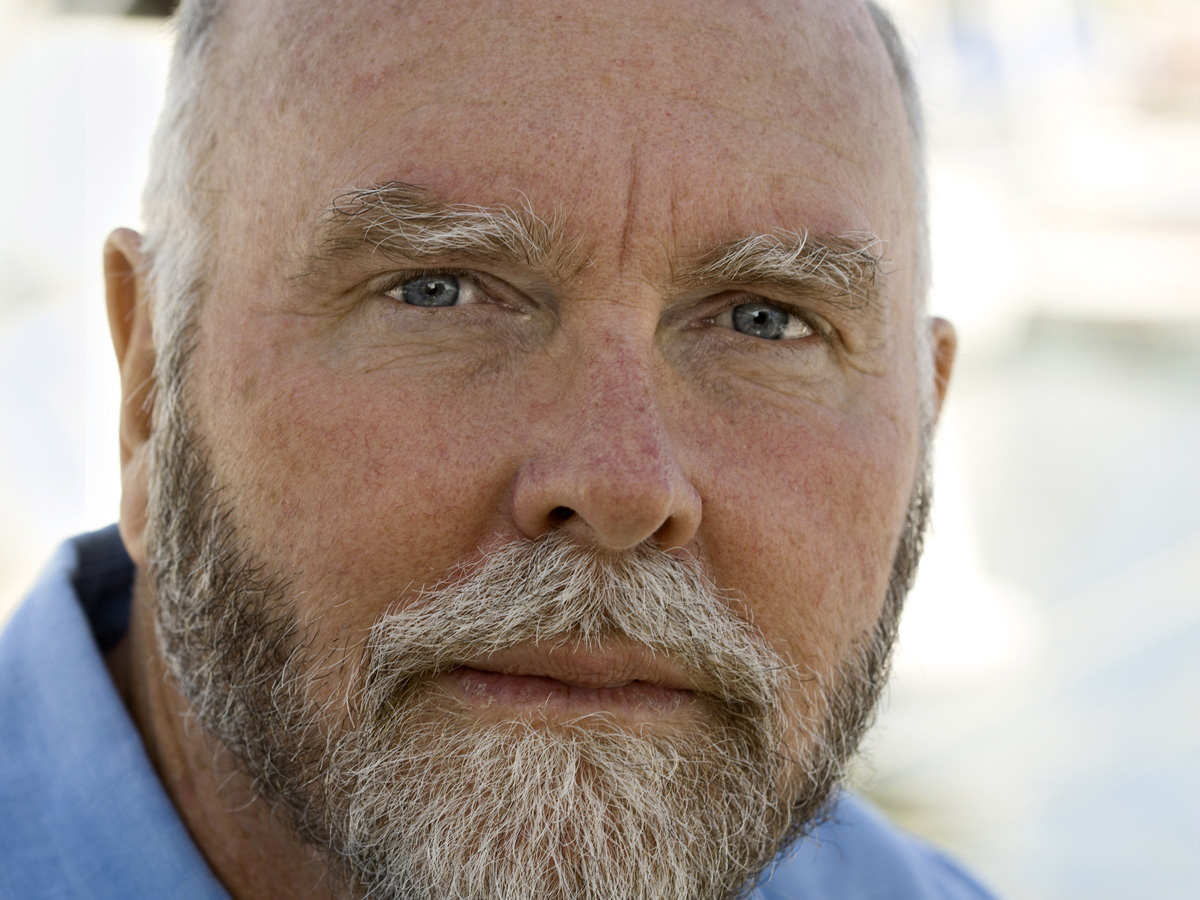
This experiment took 15 years and 40 million dollars. The money was allocated by the private corporation Synthetic Genomics and the US Department of Energy. The work of a group of scientists under the leadership of Craig Venter , the discoverer of the human genome, caused, for obvious reasons, an extremely emotional, but ambiguous reaction. This news of the warning has already responded to US President Barack Obama and the Catholic Church.
True, a number of scientists accused the press of inflating the significance of this experiment, which is not a revolutionary one. According to these critics, American researchers did not construct an artificial organism, but only copied the DNA of the existing microbe and implanted it into a related cage, which scientists allegedly did earlier.
The essence of this experiment Radio Freedom was explained by the professor-virusologist Daniil Golubev :
- American scientists managed to transform the living cage into another species under the influence of synthetic DNA. This used to not do this in this option. In order to transform one cage into another, it was necessary to take a fragment of DNA from another living cell. And they did it using synthetic DNA. She is a copy of the DNA of existing organisms.
The work of science is evaluated by many parameters, including issues of morality, risk or benefit for humanity

An unconditional exaggeration in these messages is the information that an artificial living cell has been created. This is wrong. But this is a big step forward in turning one cage into another with a given properties. By the way, this is not a clear experiment at all. It follows from it that a harmless microbe can be turned into a bacteriological weapon. Because if you add genes that determine toxicogenicity, virulence, harmless mycoplasma can turn into a kind of plague pathogen. Of course, I speak about this in a conditional mood. But it is no coincidence that President Obama instructed to deal with the results of these studies by the Bioemic Committee, which should evaluate both harmful and useful consequences of this work. But, on the other hand, this kind of manipulation can lead, as the head of the Venter experiment says, to the transformation of algae cells into oil. Today it sounds a little futuristic, but such the use of the results of the experiment may be useful.
Other scientists also indicate both the positive and negative consequences of the Wenter group. David Redges , the director of scientific and technical innovations at the Woodro Wilson International Scientific Center, thinks the following about this:
- An artificially created life form can have a lot of applications. Here is the production of energy and great opportunities in medicine. The work of science is evaluated by many parameters, including issues of morality, risk or benefit for humanity. If, with the help of artificial organisms, it is possible to create cheap biofuels, this will probably be found benevolent. But if a new biological weapon is created in the same way, it is worried. Some emphasize the moral aspect of achievement, believing that a person should not take on the function of the Creator - this is the line that should not be crossed.
Professor of the University of Pennsylvania Arthur Caplanes believes that artificial life can bring both huge dangers and the same scale of benefit:
-There may be a situation in which some government, or some terrorist organization uses bioengineering to create viruses or bacteria with which fatal diseases can be spread. Either viruses or bacteria will begin to create against certain genetically marked ethnic or racial groups. The potential danger of abuses by a new scientific achievement is obvious and requires a more cautious approach than the one that we see.
But the benefits of synthetic biology engaged in the creation of new bacteria and viruses can be huge, exceeding danger. In medicine, we will be able to create new vaccines, replace damaged organs. You can create bacteria that produce food for plants, animals and even humans. You can create a bacterium that will eat oil spilled into the sea, or production emissions that pollute nature, or even nuclear waste. All this is no longer science fiction and can become a reality very soon.