
Translated material
"Wars from Lezginka": Dancing Caucasians were shot in Stavropol
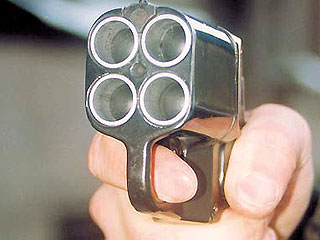
In the Stavropol Territory there was another incident related to the uncontrollable love of Caucasians to national dances. Unknown people in Stavropol opened the shooting of traumatic weapons at the crowd of young people who, at night, were dancing Caucasian dances at the loud music, Interfax reports. A criminal case has been opened.
Only last week in the regional center it was reported about the arrest of 12 Caucasians , dancing Lezginka in the city center and showered through passers -by fragrant abuse. Prior to this, several more cases of lezginka were recorded in different regions of Russia, followed by a criminal continuation.
According to the prosecutor's office of the Industrial District of Stavropol, the last incident occurred on October 21, but it became known about it only on Monday. As follows from the investigation materials, at about 2:00 in the morning, the company of young people in the area of the central entrance to the Salyut cinema listened to very loud music and danced Lezginka. After some time, about 10 people approached the cinema. Without saying anything, they shot them several times from traumatic weapons and disappeared.
After the attack of the unknown people, the two dancers turned to the hospital for medical help, where the wounds of the chest on the right and left forearm were found in one victim, the second shot was caused by a bruise, hematomas of the soft tissues of the left lumbar lumbar region. On the fact of the shelling, the investigation department at the Internal Affairs Directorate on the Stavropol opened a criminal case under Part 2 of Article 213 of the Criminal Code of the Russian Federation (hooliganism). At present, investigators are conducting the search for the shooters.
In relation to the Caucasians themselves, who accompanied the dances with loud screams, whistles and abuse, three protocols on an administrative offense under Part 1 of Article 20 of the Administrative Code of the Russian Federation (petty hooliganism) were also drawn up.
Note that the noisy performance of the Caucasians of their national dances sometimes causes dissatisfaction with local residents in the southern regions of Russia. In order to relieve tension and at the same time show respect for national customs, the authorities of the Stavropol Territory this year decided to conduct official competitions in the Lezginka for young people from all regions of the North Caucasus.
In addition, in July, the apparatus of the President of Russia in the North Caucasus Federal District recommended the heads of subjects to develop rules of behavior for youth outside their republics. As the Deputy Plenipotentiary of the President Vladimir Shvetsov, Caucasians, "nervous" the local population with some of their actions, stated, are also talking about the execution of national dances on the street. The head of Chechnya Ramzan Kadyrov did not like such an initiative. He stated that the Chechens already have his own code of conduct that has been developed for centuries.
Meanwhile, several incidents recorded in different regions of Russia, including criminal subtext, are associated with the execution of Lezginki. So, a loud scandal occurred in Sochi with the participation of Ingush police officers, who at the end of July arranged dancing with shooting in one of the cafes of the city.
According to eyewitnesses, the Caucasians danced on the tables of Lezginka and fired into the air from traumatic and military weapons. The policemen who were heated by dancing and shooting on the street also beat a Russian citizen, Tajik by nationality, who, in their opinion, "looked poorly at their car." The hooligans were smoked only an outfit of colleagues from the local Internal Affairs Directorate. On August 2, three dancers - two civilians and one policeman - were arrested .
At the end of August, graduates of St. Petersburg University of the Ministry of Internal Affairs on the occasion of receiving diplomas at the Sports and Concert Complex in St. Petersburg were performed in St. Petersburg. It didn’t reach crime, but the video posted on the Internet with national Caucasian dances of future police officers caused an ambiguous public reaction. Many considered such behavior unacceptable for representatives of the Ministry of Internal Affairs.