Translated material
At dawn of the day of the political prisoner
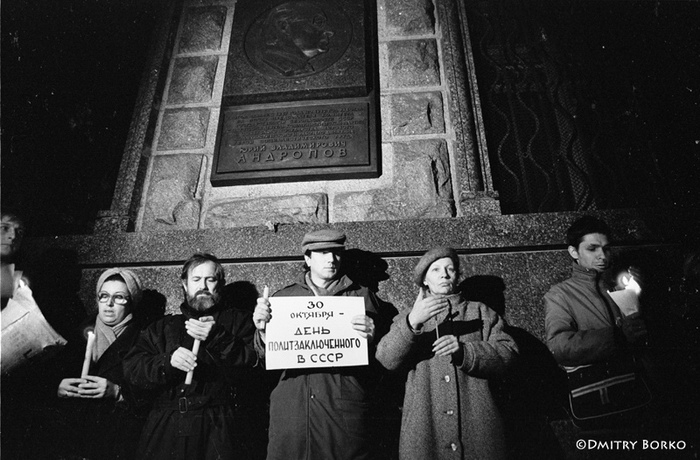
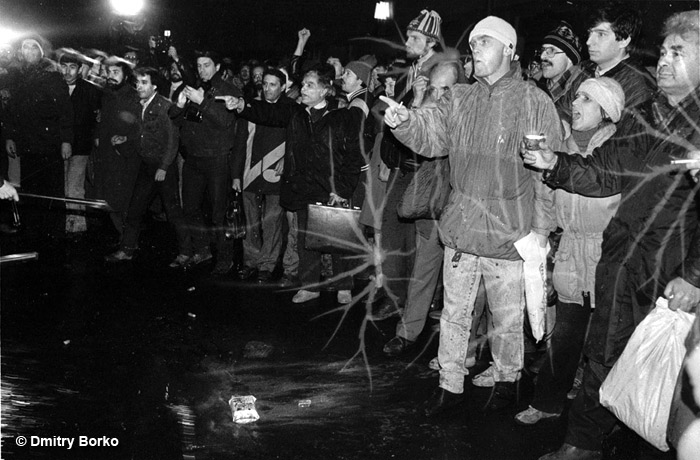
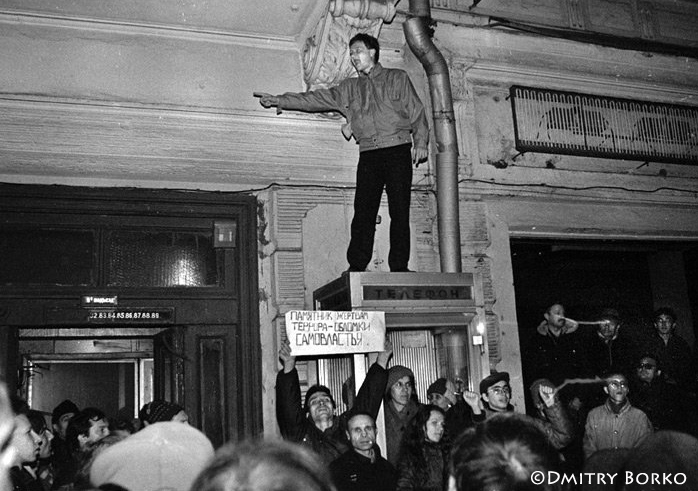
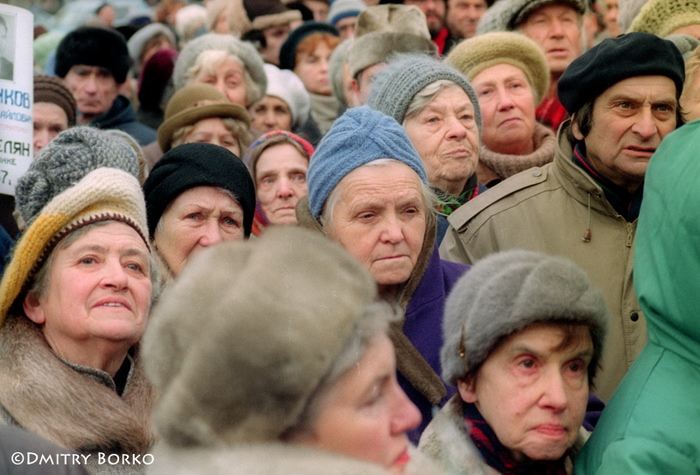
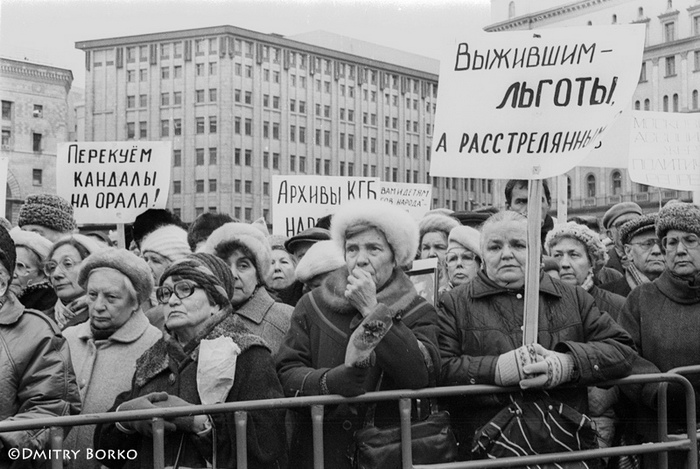
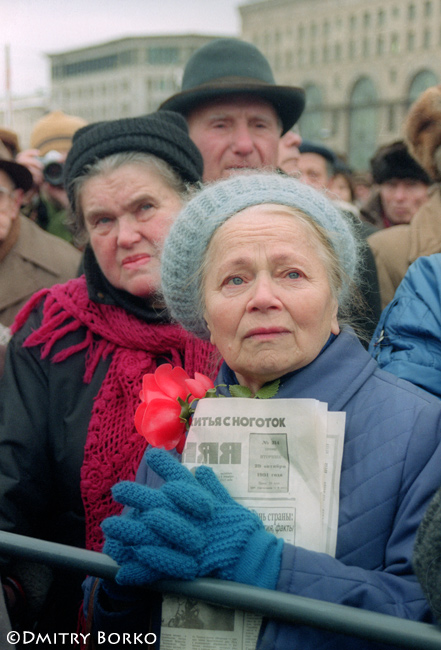
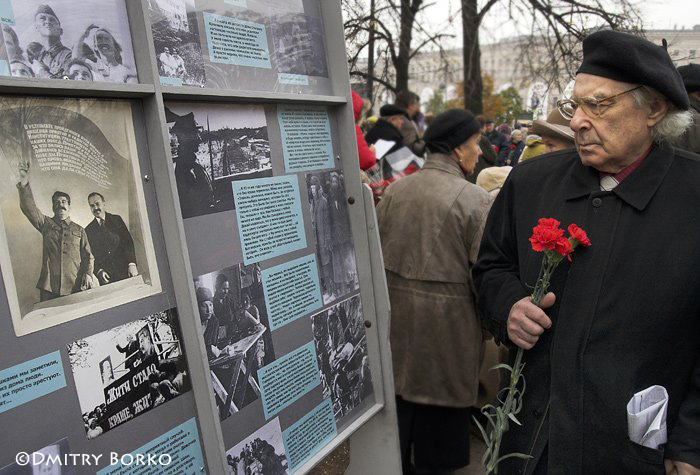
I was lucky to observe how the Politzek day was first publicly celebrated in the USSR. It was on October 30, 1989, although a tradition arose back in the 74th, in Perm camps among the then "political" (maybe someone believes that then they were gone?). Here's what Kronid Lubarsky wrote about this later:
"The political camp of that time was the most free place in the USSR. The arrest and conclusion generally have a huge liberating influence: in your relationship with the state, complete clarity finally came ... So: spiritually liberated people immediately behaved in the camp as emigrants behaved in another part of the world, and today citizens who dumped tents of totalitarianism behave. The political prisoners were divided into national fraternities, which were almost not communicating with each other. It is skillfully heated and planted by the camp administration ... I have matured the conviction that in order to overcome intra -camp disagreements it is very important to organize and conduct a common action of resistance for all, which would show that with all our differences we are opposing a single enemy here and are ready to act together. ”
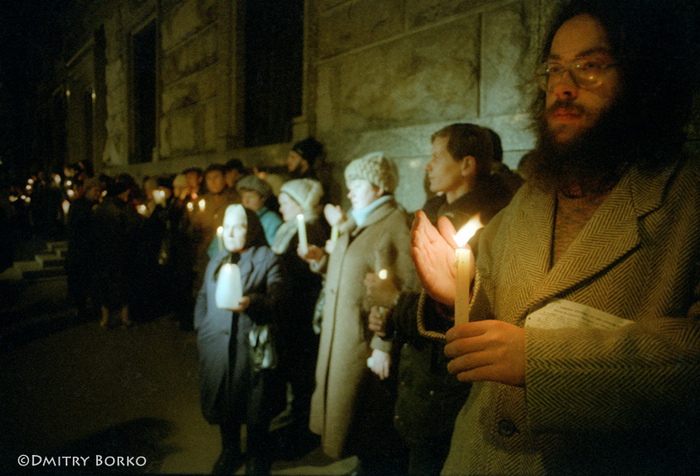
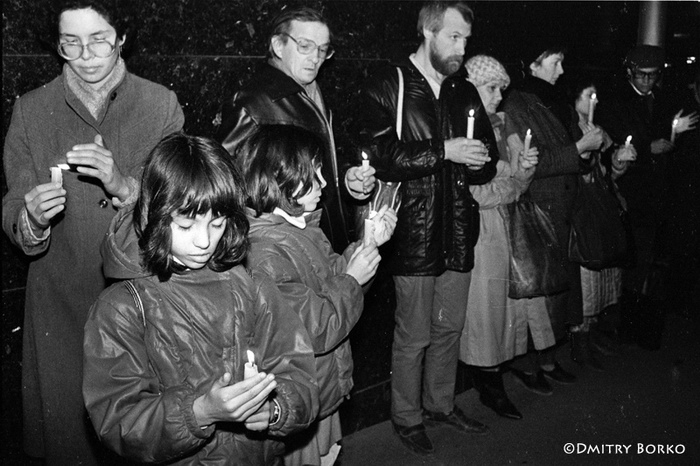
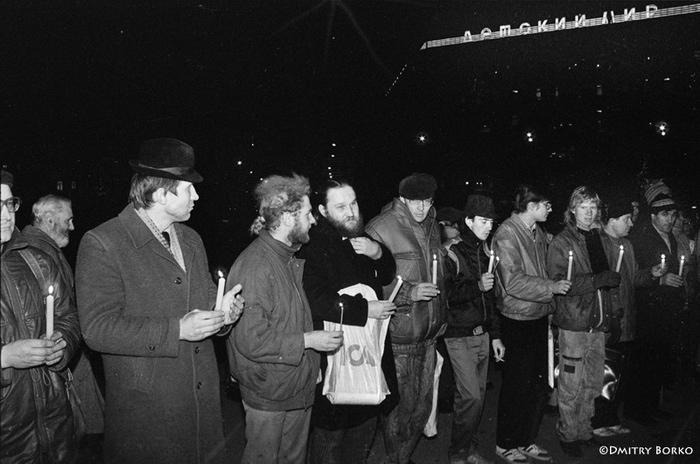
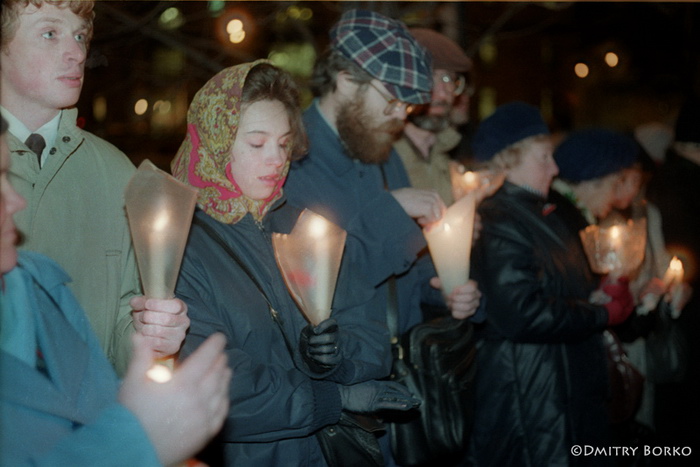
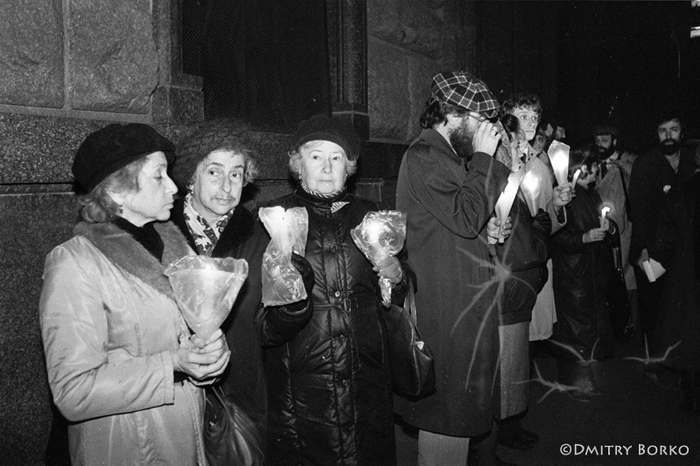
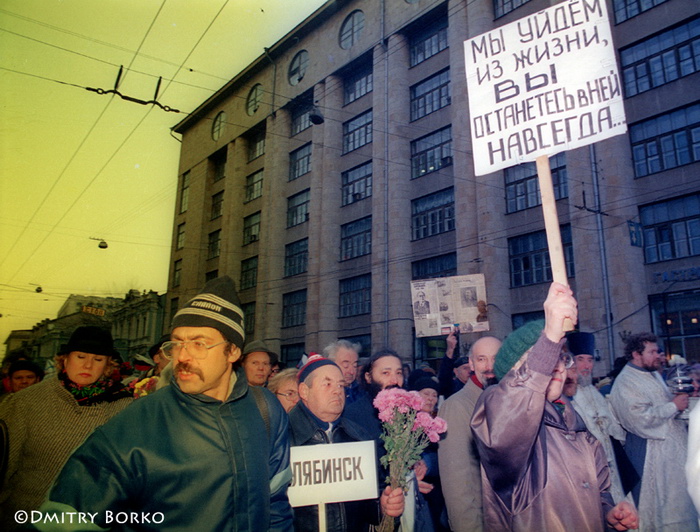
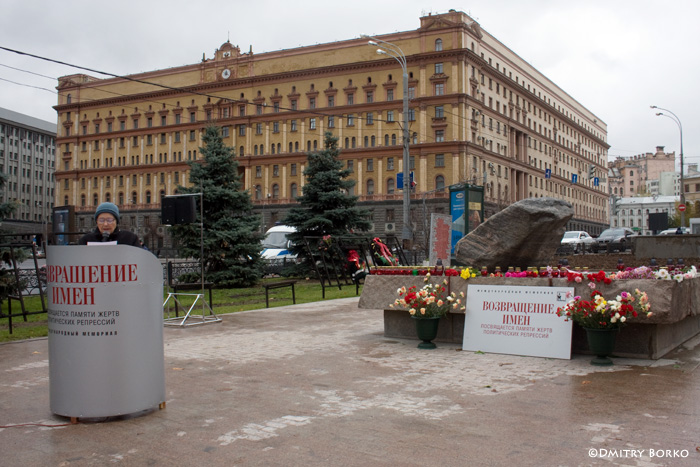
And in the 89th, the idea belonged to the "memorial", the demoi and others - "from the anarchists to the monarchists." This, as far as I remember, was generally the first major action in the center of Moscow, and even no one was allowed to close to the KGB building. In snowy evening, the frightening gloomy large house on Lubyanka was surrounded by hundreds of flickering candles: the participants of the action formed a living chain around it, removing the victims of repression. I still remember the confusion and delight that swept me: the authorities lost its sacred inviolability.
But today is curious and something else. On the eve of the action, the question arose: should it coordinate it with the authorities? Lev Ponomarev writes about this: "My radical colleagues said:" We will not warn. They’ll beat this way. “I saw a great danger in this, because we had to call several hundred people to surround the KGB building. And if they were beaten, they would be arrested? After all, we were going to surround the civilian building, the Chekists have a lot of phobias in their heads, they suddenly decide that several hundred people were about to storm this building? Andrei Dmitrievich said that the problem must be solved, but some of our friends objected.
Sakharov turned to Kryuchkov (the then chapter of the KGB) with a request not to use force. In all likelihood, a certain agreement was reached on the framework of the behavior of the manifestants, since it was even necessary to rule a manually sharp text of the already printed leaflets. The action passed calmly and beautifully, causing the widest resonance.
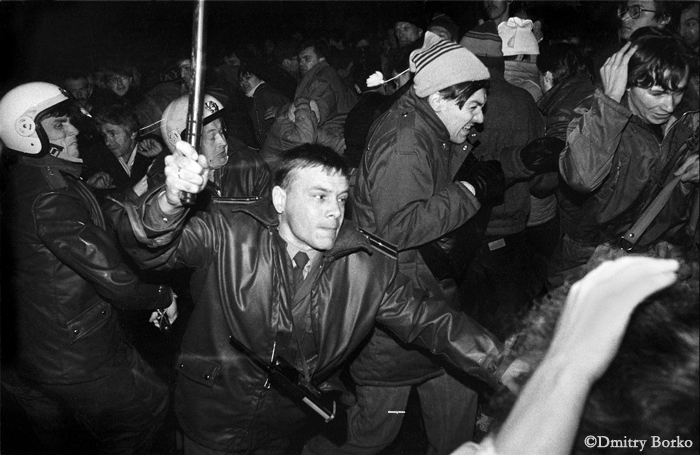
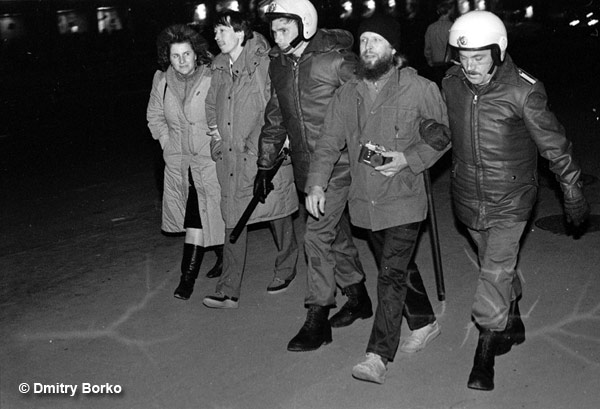
And after it, part of the people went march to Pushkinskaya Square. Valery Novodvorskaya was headed by the column with still "illegal" Russian tricolor in her hands. On the approaches to the gun of the demonstrators, riot police intercepted, clashes and arrests continued until late in the evening. Everyone was satisfied ...
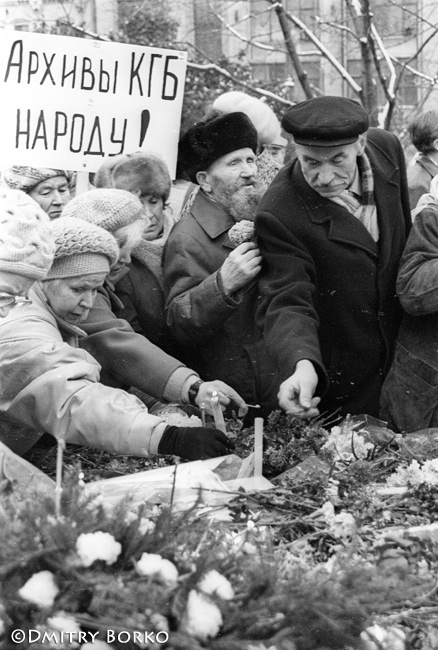
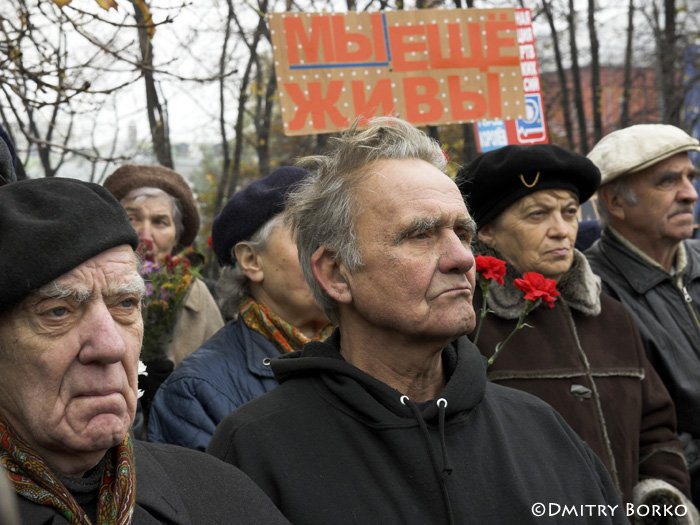
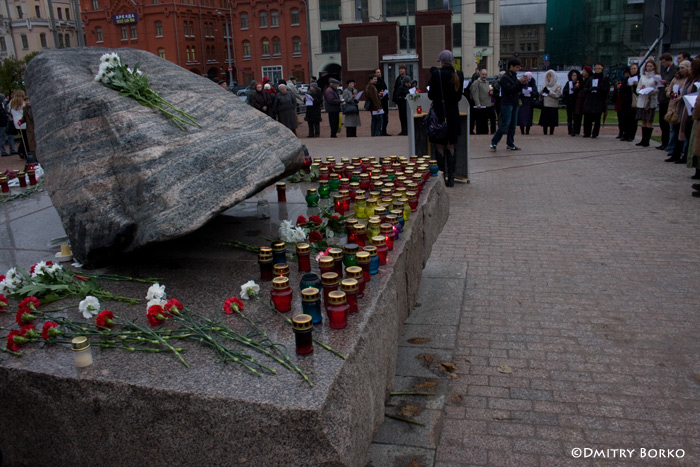
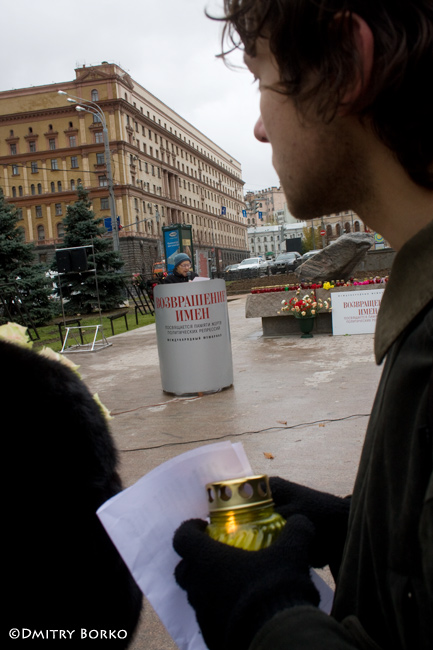
In the next two years, all participants in this unprecedented action - "from anarchists to monarchists" - have more than once went outside, already among dozens and hundreds of thousands of people. On October 30, 90s, a monument to the victims of repressions - the famous Solovetsky stone, was opened on Lubyanka, with a large gathering of the people and former prisoners. In August of the 91st, Kryuchkov, along with the rest of the heads of the State Emergency Committee, went to prison, and soon the USSR ceased to exist. In Solovetsky stone now, every October read the names of the victims of terror all day.