Translated material
The results of 2010
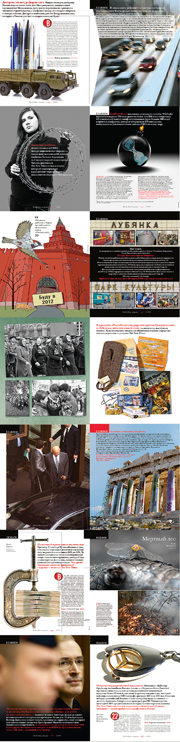 |
With the battlefield, “zero” will end, and the first decade of the 21st century will go down in history. But it is too early to take stock of the decade: Putin's era will end in 2012 - if it ends.
2010 is cacophony of black and white events. The crash under the Smolensk aircraft of the Polish President Lech Kaczynsky, who flew on the anniversary of the execution of Polish officers in the Katyn forest (p. 42), and a long -named (70 years!) Recognition by the Russian Federation that they were shot by order of Joseph Stalin. The terrible fires in the European part of the country, the suffocating, who covered the Moscow - and suddenly waking up (waking up?) Civil society, who has settled on the Internet: dozens of people without any grants and instructions rose, began to collect money and things with fire oflands, buy electric saws and fire sleeves to rescuers, created a site, logistics, established a distribution system. Suddenly it turned out that all that political scientists are trying to find and do not find in Russian society, in fact, there exists, but only in the virtual world, which, by the way, has almost 24 million people - so many Russians enters the network daily, and this world has already begun to influence the environment outside it, form a agenda, choose leaders and heroes. A classic example: Alexei Navalny with his anti-corruption blog, which is read by 25 thousand people, and Evgenia Chirikov (p. 40), whose struggle for the Khimkinsky forest (albeit lost) acquired a voice exactly because she attracted the Internet community. And of course, Julian Assange with his WikiLeaks (p. 54), who put the government and the secret services of a number of countries of the world in an uncomfortable position and secret services. Social networks, including especially the backwardness of the traditional institutions of the state, which, with their wild corruption, and the bone in the throat, are relief in Russia, which are in the way of development of the country (pp. 26–34).
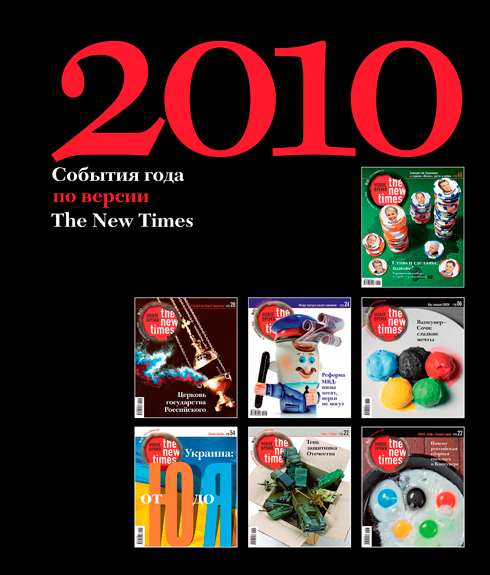
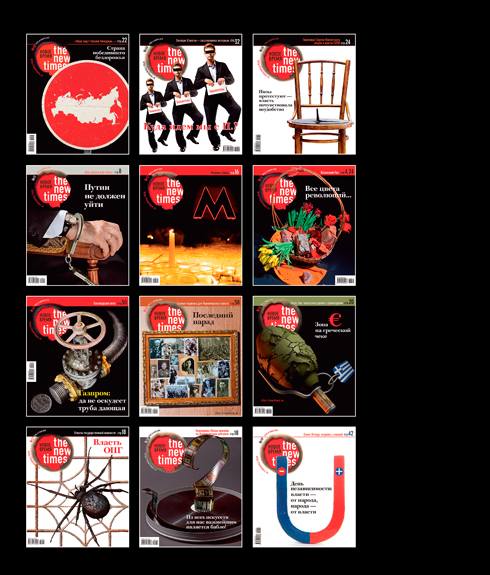
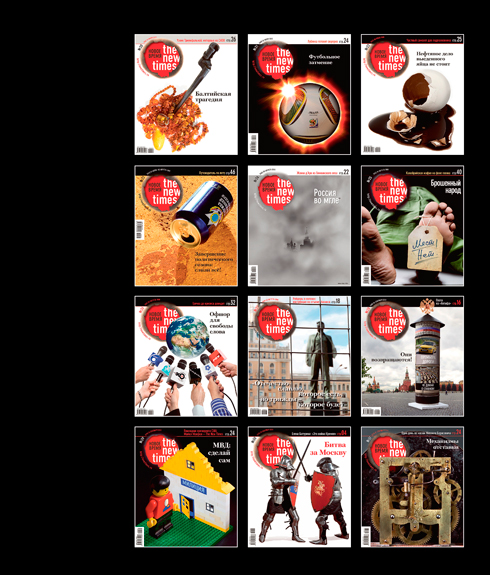
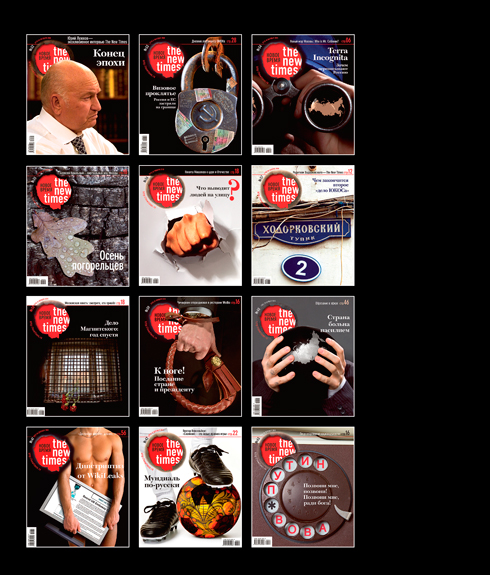
What else is remembered by 2010? The resignation of heavyweights (p. 36), the Nobel Prize by a scientist from Russia (p. 68), a hassle on the verge of war on the Korean Peninsula (p. 60), a constant shaking in the CIS (p. 56). About all this - in the traditional New Year's selection of The New Times.