
Translated material
Great Britain: Water and Oil Union
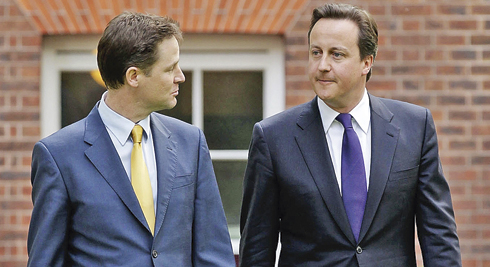
David Cameron (right) and Nick Klegg want to save Britain from the economic heritage of the Labor Union of water and oil. The December decision of the British parliament on the triple increase in training for tuitions at universities came around the riots on the streets of London. But the 44-year-old British Prime Minister David Cameron is inexorable in an effort to implement a plan for the maximum reduction in government departments. To this, he walked all year following the results of the parliamentary elections in May 2010, Cameron headed the first ruling coalition of Tory and Liberal Democrats in the history of Britain, whose leader Nick Klegg became the deputy prime minister. The priority of the duet is a reduction in a giant budget deficit of £ 159 billion (!) By at least 6 billion. The state’s savings began with themselves: the salaries of government officials are frozen, the personnel of most state institutions are reduced by a quarter, income with income above £ 30 thousand (and there are millions in the country) from 18 % to 28 %. Most of the economic measures of the new cabinet will begin to operate only in 2012. But with some projects, the coalition decided not to postpone: in November, for example, quotas for immigration at the level of 21 thousand people a year were introduced, while in 2009 there were 50 thousand immigrants.
When the coalition of conservatives and liberal democrats was formed, many analysts refused to believe that it was for a long time. Yes, Cameron and Klegg are young and even outwardly similar in some ways. But what about that? Cameron is considered a temperate pragmatist, while Klegg is prone to sharp steps, Tori always relied on the original British values, Klegg and his liberal democrats are supporters of reform. “Tori and liberal democrats are like water and oil: try to mix them,” said the popular British blogger Keith Anthony from the town of Pulboro ...
Perhaps the main surprise was the radical socio-political reform announced by Cameron-the leader Tori himself called it the concept of a “large society”. Reform involves significant decentralization of public administration by transferring a number of functions to volunteers and local communities; At the same time, parents will receive the right to manage schools; General practitioners will be able to regulate the financing of the healthcare system, and the heads of police departments in cities and counties will not be appointed, but to be elected. No one expected that such a radical renewal of the system would be proposed by the leader of the conservative party, which the left -centric opponents recently called the "protective".