
Translated material
Iranian Busher can become the second Chernobyl, Russian scientists warned
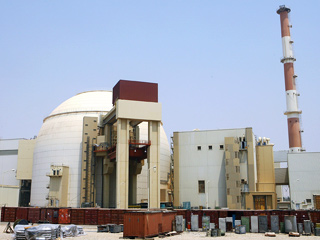
Russian scientists warned the Kremlin about the threat of a "new Chernobyl" in the Iranian Bushera, if the first nuclear power plant under construction there, with the help of Moscow, will have to be activated this summer, as Tehran insists. The fault of this is large -scale damage due to the mysterious computer virus Stuxnet , which attacked Iranian nuclear facilities.
The report of scientists, a copy of which has The Daily Telegraph , says that, despite the performance of simple, basic tests on the reactor in the Bushera, Russian experts cannot guarantee its safe launch.
The authors of the document also complain that their Iranian colleagues, being constant pressure from their authorities, neglect the "professional and moral responsibility and human lives", demanding to strictly observe the schedule of industrial launch of the nuclear power plants last year.
- The Deputy Prime Minister of the Russian Federation Sechin in December promised "very soon" to connect the nuclear power plant to the mains
- Stuxnet could ruin much more uranium centrifuges than previously considered
- Press about cyber attack on Iran: traces can lead to Russia
The station, which began to be built back in the 1970s, for various reasons lags behind the initial activation plan for more than 10 years. In August last year, the physical activation of her power unit was started, and in November the first launch of the reactor was announced.
The head of the Iranian Foreign Ministry and the National Atomic Energy Organization Ali Akbar Salehi earlier in January assured that the 2011 schedule will be observed. He called no more than rumors in the message that Stuxnet damaged computers at the Bushera NPP.
According to the publication, the authorities in Tehran categorically against further delays and deviations from the planned launch plan of the station, believing that this will be a blow to the national pride and international prestige of Iran. In such conditions, Russian scientists turned directly to the Kremlin with a request to ensure that the activation of the nuclear power plant was postponed at least until the end of 2011.
The British newspaper mentions yesterday's publication in The New York Times , which said that the “worm” of Stuxnet is the result of the joint development of American and Israeli special services. The article claimed that they tested the virus in the Israeli secret center of nuclear research in Dimon (Negeev desert).
According to the publication, Stuxnet consists of two main components: the first forces centrifuges to work in non -standard mode, and the second transfers false data on normal work. The development of the virus was conducted for two years, the American newspaper claims, noting, however, that there was no official evidence of this.
Western analysts immediately after this powerful cyber attack on Iranian atomic objects suggested that the United States and Israel were behind it. Previously, all other countries are interested in stopping Tehran’s nuclear program, the purpose of which, in their opinion, is to develop a bomb.
The American State Department does not exclude that Iran will have time to create an atomic bomb before its economy collapses under the burden of international sanctions. This is stated in the deposits of the department declassified by the scandalous WikiLeaks site, reports Newsru Israel .
The next portion of revelations published on Sunday by the Norwegian newspaper AFTENPOSTEN said that more than 30 countries help in creating nuclear weapons - they supply technology, equipment and raw materials. According to the dispatches, between 2006 and 2010, more than 350 Iranian companies and organizations were involved in this process.
We also note that the transcript of Stuxnet indicates involvement in the hacker attack of Israeli experts, which revealed a lot of curious. In the program code, a trace of the biblical Old Testament history was found about the preventive action of Jews against the Persians who sought to destroy the entire Jewish people.
The decoders saw the allusion to it in the word "Myrtus" , which can mean both a branch of myrtle and the name Esthars (in Hebrew Hadassah). This Jew was one of the wives of the Persian king of Xerxes. According to the Old Testament, being cunning and bold, this woman revealed and warned the Persian conspiracy against the Jews. As a result, the Israelis saved their lives and took revenge on the oppressors. In the memory of this, the Jews have a festival of Purim.