
Translated material
Fukushima continues to threaten
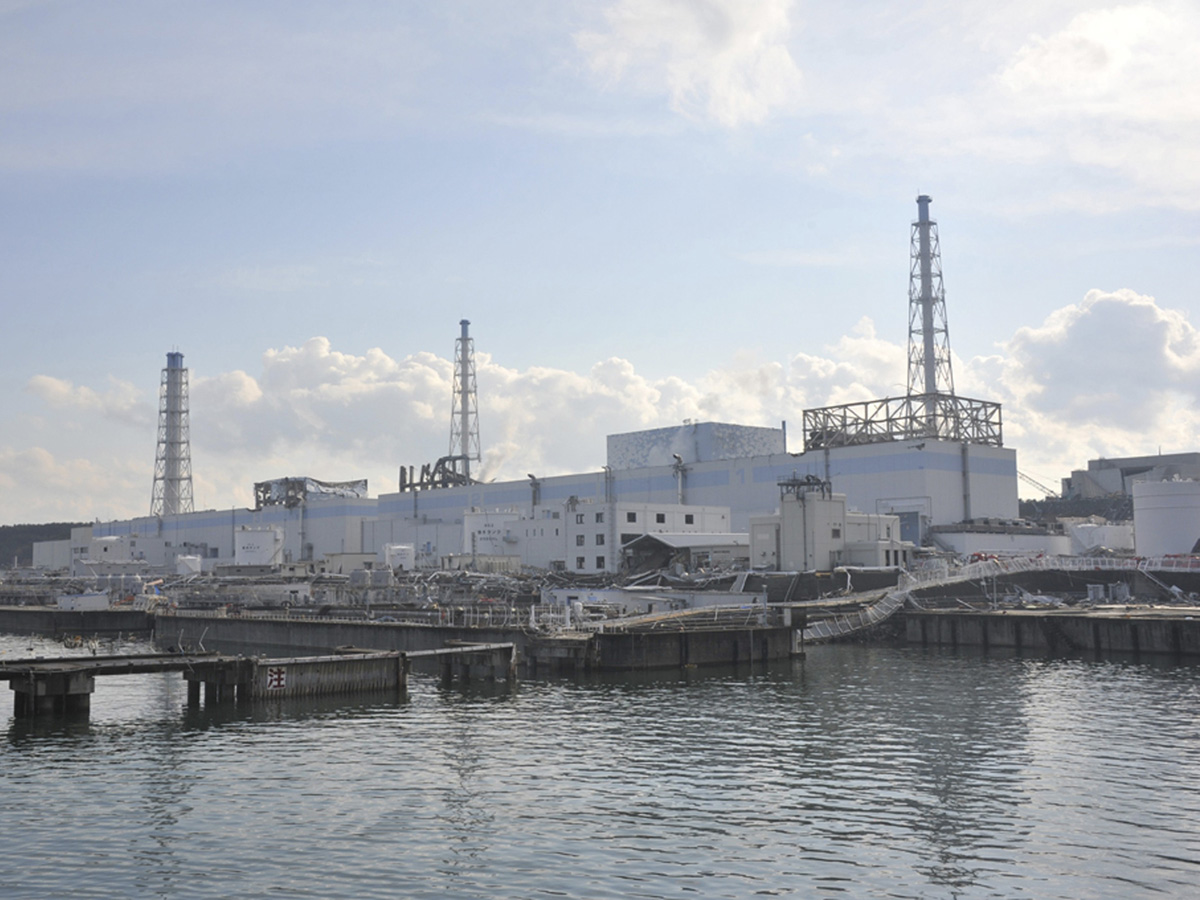
The reason for such a solution to the Japanese authorities was an analysis of radiation measurements, which comes from a nuclear power plant damaged as a result of an earthquake and tsunami on March 11. Recall that as a result of a natural disaster, reactors cooling the cooling system were out of order, which led to several explosions at the station. Since then, the station employees have been making enormous efforts to cool reactors and eliminate the leakage of radioactive substances.
The head of the agency for atomic and industrial safety of Japan Hidehiko Nisiama at a press conference in Tokyo so substantiated the decision to increase the dangers of the accident:
- Based on the data collected from March 18, we pre -assigned this accident the seventh level of danger. Despite this, the emissions of radioactive substances amounted to only 10 percent of the Chernobyls, although the catastrophe in Chernobyl also had an estimate of 7.
The seventh level of danger means, according to the IAEA, a “large incident with wide consequences” for the environment.
The authorities note the spread of radiation through air, products, tap water and the ocean.
It is noted that this decision to increase the level is associated with the total amount of radiation emitted by the emergency nuclear power plant, and not with a sharp deterioration in the situation at the station.
The atomic safety agency reported that she evaluates a leak from a nuclear power plant at 370 thousand terabekkels of radioactive iodine-131 and Cesia-137. The Japanese nuclear security commission, which simultaneously unveiled its data, believes that the leak amounted to 630 thousand terabekkerls of both substances.
The representative of the agency emphasized that, unlike Chernobyl, where an explosion occurred in the reactor itself, hydrogen explosions occurred on Fukushima, which damaged external structures, but the protective buildings of the reactors were preserved.
At the same time, the radiation leak with Fukushima-Dayichi has not yet led to the death of people, and the threat of people's health is considered Japanese authorities relatively low.
The Prime Minister of Japan Nato Kang called on society not to panic. In a television, he said that the situation at the nuclear power plant stabilizes step by step, the volumes of radioactive leaks are reduced.
Meanwhile, the Greenpeace environmental organization announced today that the announcement of the seventh level of the danger of the accident at the Fukushima nuclear power plant is very late, and called for additional measures to protect the population.
The authorities have already expanded the previous 20-kilometer zone of mandatory evacuation around the damaged nuclear power plant by five more settlements after data from there on the aggregate radiation levels exceeding the permissible ones.
Today, a fire occurred near the fourth reactor of the nuclear power plant. According to official figures, it has already been eliminated. Today, staff was evacuated from the station-due to a new repeated earthquake. There is no data on new damage to the station. There were no reports of victims and destruction in Japan. The warning about the threat of tsunami was also not declared.
Officials warn that it will take several months to take the situation at the Fukushima-Dayichi NPP under full control.
After announcing the seventh level of the danger of an accident in the nuclear power plant in the Japanese stock market, a strong drop in shares occurred. Nickkey's index lost more than one and a half percent.
Read this and other materials on the information page Programs "Time of Freedom"
-


Andrey Sharogradsky
International Radio Offer Freedom. Author and host of the information and analytical digest, podcast "Time of Freedom"