
Translated material
Moody's reduced Japan's rating
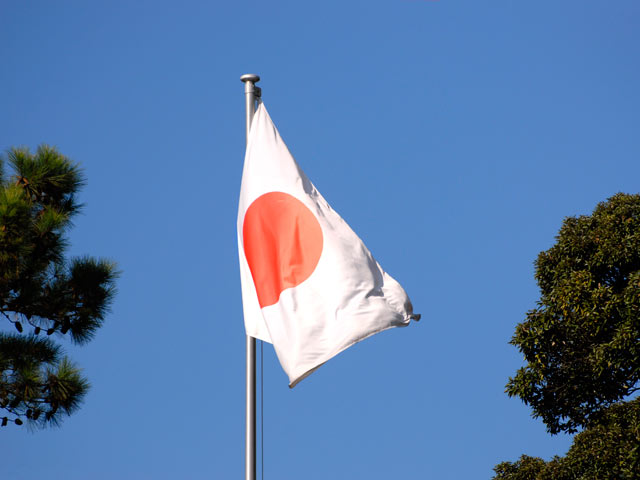
The Moody's International rating agency reduced the rating of the long -term sovereign debt of Japan, pointing out the threatening size of the budget deficit and debt of the country of the rising sun. The rating was reduced from AA3 to AA2, but Moody's indicated that the forecast is stable, the Air Force reports.
Japan has been trying to recover after the global economic crisis since 2009, but the restoration of the earthquake and tsunami in the March of this year prevented the restoration: natural disaster slowed economic growth and painfully hit state finance.
"The reduction in the rating is caused by high levels of budget deficit and the extension of Japanese state debt from the time of the 2009 global recession," the Moody's statement said.
“Over the past five years, frequent government shifts have prevented the government from realizing their long -term economic and fiscal strategies in the form of an effective and consistent policy,” the agency noted.
According to the latest data from the Japanese government, in the second quarter of the country's GDP, it decreased by 1.3% compared to the same period of 2010. Compared to the first quarter of GDP decreased by 0.3%.
This figure turned out to be better than the expectations of many analysts, but fears about the growth of borrowing and expenses associated with restoration work after the tsunami have survived.
Another problem that negatively affects the Japanese economy that is extremely dependent on exports is the unprecedented strengthening of Jena, caused by the weakness of the dollar and the euro. In these conditions, the Ministry of Finance of the country announced the creation of a new fund for supporting companies suffering from excessive strengthening of the national currency.
The amount of the fund will be $ 100 billion. As noted the Minister of Finance of Japan Yosihiko Noda, the new fund will help Japanese companies expand business abroad. The fund will be valid during the year.
In early August, the Japanese authorities also conducted a currency intervention to weaken the course of the yen. The trillion yen ($ 12.6 billion) was thrown into the market. After that, the Japanese currency course began to fall.
Since March of this year, the Japanese government has been actively trying to restrain the national currency course. It was then that Japan agreed with the countries of the "Big Seven" on coordinated foreign exchange interventions, which have not been held for more than ten years.