
Translated material
Fathers and children on the Internet
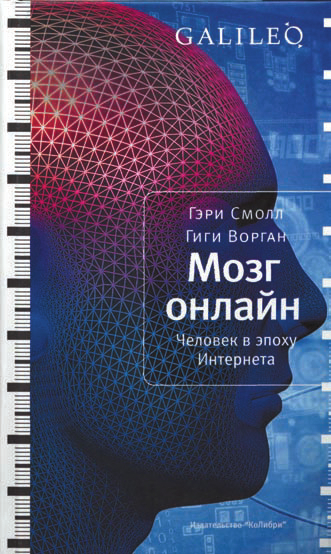 In modern society, the problem of fathers and children has turned into a real brain abyss. With such a “term” American psychiatrists Gary Small and Gigi Vorgan in his book “Brain online. A person in the era of the Internet ”denotes differences in the ways of thinking of representatives of the older generation and youth caused by a digital revolution. The conflict of values and views today is pushed to the background. Scientists see the essence of the brain abyss in the restructuring of the brain and a change in its functions under the influence of computer technology. “The daily exposure to hi-tech-computers, smartphones, video games, Internet specialists-forces nerve cells to change, throw away neurotransmitters and unite into new networks (while the old ones are gradually destroyed). The digital revolution, which occurs before our eyes, makes the brain evolve right now - and at an unprecedented pace, ”the authors explain.
Not very deepening into the mechanisms of the functioning of the brain, the authors of the book affect only the tip of the iceberg, simplifying the changes that occur in the nervous system in the process of adaptation to high technologies. The book in the book is not so much about neurophysiological or neurobiological aspects of exposure to the brain of digital technologies as about the socio-psychological consequences of the high-tech revolution. Periodically flavoring the text with curious facts and statistical data, examples of research and links to additional literature, the authors emphasize the contrast of generations of “digital from birth” and “digital immigrants”. The main problem of the first they consider the loss of social skills as a result of their greater immersion in the virtual environment than in the real world of relations. Representatives of the older generation have a different problem - technophobia and forced adaptation to digital reality.
Further, the authors describe various types of dependence on technologies and the accompanying psychological problems, casually affecting the issues of the influence of the digital revolution on modern culture, politics and economics. In the end, the book begins to resemble popular benefits for dummies. The authors did not hesitate to insert direct tips and exercises into the text for the development of social skills, body language, empathy and self -confidence. One of the latest chapters is dedicated to how to choose the right computer, to work efficiently and safely on the Internet. This, of course, is important and useful information that may interest the reader inexperienced. It is possible that in the original the book is oriented precisely on it. It is only embarrassed by the fact that in Russian the book was published in a series of serious popular science literature.
G . Smol , g . Vorgan. Brain online . Man in the era of the Internet . - m .: Hummingbird , 2011. - 352 p . - ( Galileo ).