
Translated material
Facebook knows who is behind spam ataku, but he will not say
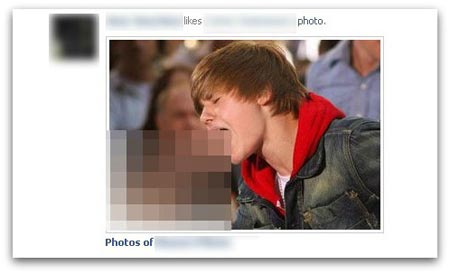
The world's largest social network Facebook reported details about large-scale spam attacks, which were recently arranged by unknown cybercriminals. Facebook claims that they already know who is behind the attack, but representatives of the company have not yet disclosed this information, RIA Novosti reports.
According to reports, Facebook no longer believes that the guilty group Anonymous is guilty, rumors about whose involvement were distributed on the Internet. In August, Anonymous participants promised to disable Facebook on November 5, accusing it of irresponsible attitude to personal data, but these threats did not come true.
{pic_1 c}
The attack, according to Facebook security experts, allegedly began on November 15 and became possible due to the vulnerability in the browser, which allowed hackers to use a special JavaScript code to access the user views.
During a coordinated spam attack, users unconditionally activated the malicious JavaScript code in the address bar of their browser. “As a result, offensive content was sent on their behalf and without their knowledge,” the employees of the technical support of the social network commented on the problem.
Users of which Internet browsers were at risk, the statement is not specified. At the same time, the company notes that the registration data and personal information of users as a result of the attack was not injured.
Apparently, users introduced the code into the browser line in response to a promise of major discounts or special offers for purchases, said the expert of the Symantec antivirus company, Vikram Takur.
According to Facebook experts, the social network is actively working on eliminating the consequences of the vulnerability, which cyber security experts call "Self-XSS". In addition, to users, on behalf of which this spam was unintentionally sent, Facebook will offer to go through the account check.
Recall that the attackers distributed pornographic images on the social network, pictures that depicted violence and another “offensive” content, for example, dead animals.
{pic_2 c}
At the same time, as emphasized in the company, the records were published on behalf of the registered Facebook users who did not suspect that their accounts were involved in the spread of spam. At the same time, the friends of these users saw obscene images in their news feeds.
The main nuisance was that after placing the blogs and on the walls of porn, the system of protection of the social network itself worked and thousands of user accounts were automatically deactivated.
According to Sophos antivirus company experts, the purpose of this spam at Facebook was, first of all, not to make a profit, but a blow to the reputation of the social network as a site for safe and comfortable communication.
According to Facebook itself, less than 4% of the content falls under the concept of spam, which are share users of social networks, and on the day of spam in their tape they see less than 5% of users. For comparison - according to Symantec security experts, the share of spam in email content is about 74%, although its main part is eliminated by mail services.
The social network itself called on more than 800 million of its users to be more attentive to protecting their account from hackers - including not to follow the dubious links and not enter the codes from unverified sources into the browser line, as well as inform the administrators about unlawful content in their news feed.