
Translated material
The EU summit can end to no avail
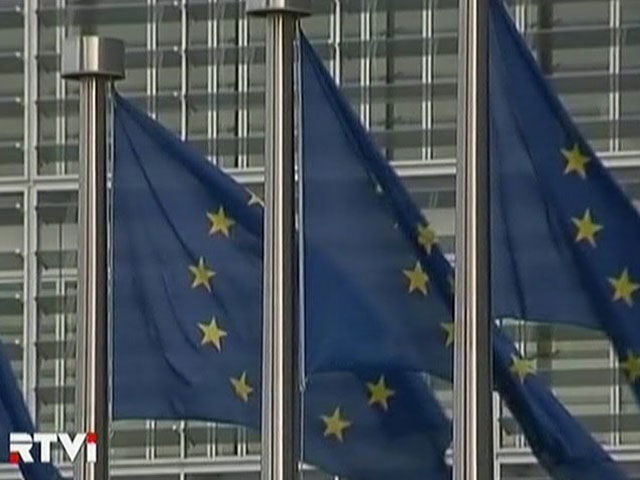
The summit of the heads of state and governments of the European Union, which opens on Thursday in Brussels, can become fateful. It should, as expected, determine the ways of strengthening budget discipline and strengthening anti -crisis mechanisms in the EU. But high expectations associated with the summit create the risk that investors may be again disappointed with the results, as it already took place after the previous fateful meetings of European leaders, the Finmarket reports.
It seems that it did not succeed in developing a single position to develop the EU leaders. Berlin made it clear that he did not support the idea of concluding a new agreement between the countries of the eurozone, but would like to amend existing EU agreements, establishing the maximum binding restrictions on the state debt level, tough sanctions for label countries. In this case, Brussels can, for example, get the right to directly intervene in the solution of budget issues in individual countries. However, such actions may conflict with the agreement in force in the EU.
When driving along a long way, there is a risk of delaying the entire process for about two years - and at the same time with an unhangrated result (given the possibility of referenda in some countries to approve changes to the EU basic agreement).
The Chairman of the European Council Herman Van Rompei proposes to move towards closer integration in the shortest way, avoiding ratifications and referenda, but at the same time granting Brussels new powers that Berlin insisted.
Another European official told The New York Times that there is also a two -stage option: first quick changes, then - the process of adjusting the basic agreement signed by all 27 EU countries.
The position of the British position can compromise between the countries regarding the strengthening of budget discipline and strengthening economic integration.
Prime Minister David Cameron, according to his public statements, intends to defend British interests and, in particular, is not ready to give Brussels more authority to regulate the financial market, wants to have the right to have a veto.
Germany, according to the media, also does not support the idea of coexistence in this week in the future of the already created European Fund of Financial Stability, which is a temporary anti -crisis instrument and planned to create a European stability mechanism next year.
The representative of the German government said on Wednesday, reports The New York Times that he is now "more pessimistic than a week ago, regarding the possibility of achieving a large transaction."
The Wall Street Journal writes that the Chancellor of Germany Angel Merkel and the head of the European Central Bank Mario Draga, who have the most powerful levers of influence on the situation, can play a decisive role in saving the eurozone.
According to the press service of the European Council, on the first day of the summit, only an informal dinner of the meeting participants is planned. As reported in a letter - invitation to EU leaders, a discussion about the state of financial markets and on an ongoing crisis is planned during the dinner.
On Friday, the meeting will continue to sign the agreement on the entry of Croatia into the European Union. Then, the exchange of views of the European Council with the Chairman of the European Parliament will take place for the EU.
After that, the working meeting of the European Council will begin. Herman Van Rompei expects from him "wider debates about the method by which our economic policy will be able to lead Europe out of the crisis."