
Translated material
The German blogger exposed attackers from St. Petersburg who created the evil worm Koobface
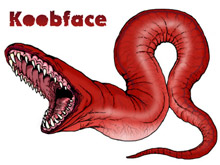
The German blogger Jan Dremer managed to expose the grouping of Russian hackers, who for several days hacked computer systems of social networks using the evil worm Koobface, thus earned millions of dollars.
A group called "Ali Baba & 4" united five residents of St. Petersburg: Anton Korotchenko (Nick Krotreal), Stanislav Avdeed, Svyatoslav Polishchuk (PSVIAT and PSYCOMAN), Roman Koturbash (Pomuc) and Alexander Koloppy (Floppy), reports "RBC" with reference to The New York Times.
The newspaper reports that, despite the fame of the owners of Koobface, they still remain free, since the cooperation between Western and Russian law enforcement agencies in the field of cybercrime is difficult.
Dremier entered the group in February 2010, after the scammers made a mistake and the blogger found their data in open Russian -speaking resources. The blogger transmitted all the collected information about fraudsters, including names, addresses and phones.
Recently, representatives of the Russian embassy in Washington told reporters that they did not have information about fraudsters from St. Petersburg and that representatives of the American authorities did not turn to them on this issue.
Koobface (the name of the virus - anagram of the name Facebook), specializing in publications of advertising links in social networks, brought to its owners up to $ 2 million a year. The propagation mechanism is designed that the user clicks on the “look like you are ridiculous in this video”, after which a malicious Java applet will be installed on his computer, which redirects users to pages with false antiviruses requiring payment for treatment from bank account or SMS.
Referring to the assessment of the Kaspersky Laboratory, the newspaper reports the KoobFace botnet, which included from 400 thousand to 800 thousand infected computers around the world.
In November 2010, three Botnet servers were discovered and stopped by the efforts of the British police, after which the activity of Koobface was declining.
However, Koobface, known since 2008, remains one of the most famous Trojans who spread in social networks.