
Translated material
HSE expert: Russian metallurgy needs competition, not modernization from above
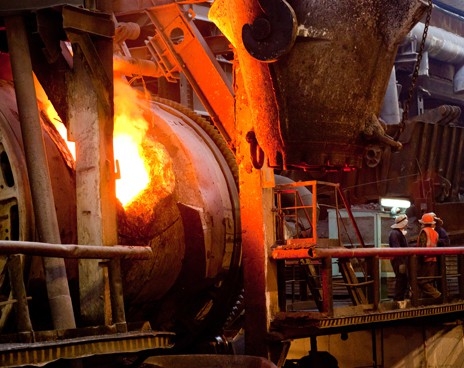
Photo: ITAR-TASS
The government was concerned about the modernization of the metallurgical sector. According to Kommersant , at the end of 2011, Deputy Prime Minister Igor Sechin instructed the relevant departments to think about “replacing outdated and worn out equipment, the introduction of new technologies aimed at reducing environmental impacts and increasing the competitiveness of Russian production products”. The sources of the newspaper outlined possible options for state measures: the obligation to deduct part of the profit to update technologies or the signing of modernization plans with the government, as in the oil industry (in the event of a term of the deadline). But is the desire to raise taxes after the elections that are not covered with good intentions? Slon asked Georgy Ostapkovich , the director of the Conjunctural Studies of the Higher School of Economics, whether Russian metallurgy really needs technological renewal, and what steps the state should take: “In general, the situation is unimportant in industry with capacities. But just metallurgy is more or less updated: there is money here. Of course, it all depends on the global situation in the world, on the demand for metal. If the current (second wave of crisis - Slon) trends will be developed, then the demand for metals will brake. But then it makes no difference, there are power, there are no capacities ... If there is no demand for metals (and we have metallurgy, after all, the export-oriented industry), then even if there are capacities, the load will still not be very high. It is impossible to force the metallurgists to the law of the metallurgists to modernize. Nobody has the right to oblige, especially private enterprises. If there are still levers for state enterprises, and shareholders can, as they say, will oblige them, then private capital will work according to those schemes that he considers necessary. I do not think that modernization from above is the path to victory. Each entrepreneur should feel modernization himself, that is, find the time, find the necessary resources when to make modernization. Modernization is also not a panacea from all troubles. To conduct it, you need to make volumetric capital investments, and for several years, that is, actually freeze financial resources. Whether the company will be able to deal with the problems of modernization without this money and, in fact, dropping the volume of production for some period-a big question. In the place of metallurgists, I would have paused. In two points: the first is to see what will happen on the global market. And the second is on the internal: how the election season will develop, what will be the structure of the government. Large enterprises now need to minimize risks. I think that until May-June there will be no serious modernization movements. When everyone is relaxed, when everything calms down - you see what is being done on the street now ... Who knows what will come of it? Now I would not dare to climb into some large investment projects. Can the metallurgists with new taxes undercover modernization? In the current conditions, I do not wait for the development of some kind of conspiracy theory. The maneuver of encouraging modernization is positive. Of course, the taxes of metallurgists will be raised over time. But in this case, I do not think that some kind of evil intent lies here. In place of the state, I would not directly engage in stimulation. I am not a supporter of financial incentives from the government. Russia requires legislative and institutional things, first of all, the development of competition, small and medium -sized businesses, and the rejection of the monopoly of individual structures. The same Norilsk Nickel can form a price, regardless of anyone. "