
Translated material
Greece will not save 130 billion euros, it may need a third aid package
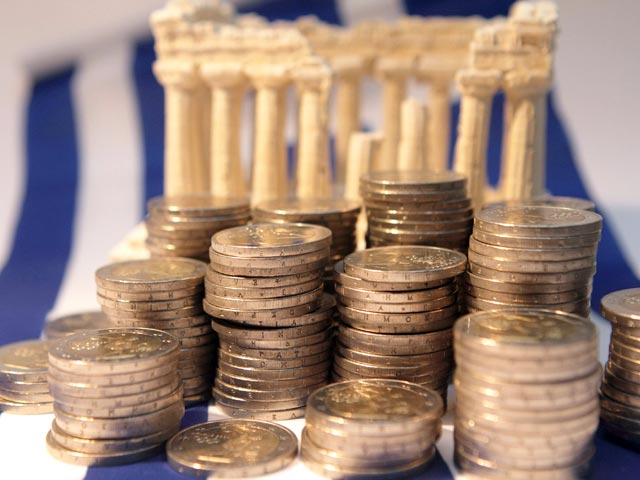
Greece may need a new financial support package up to 50 billion euros until 2015, the German magazine Spiegel Online writes.
The European Commission, the European Central Bank and the International Monetary Fund have already approved two bags of loans to save Greece from default.
So, in May 2010, the Eurozones and IMF countries allocated loans for 110 billion euros, of which more than 70 billion were paid. And in February 2012, the first package was replaced by a second , a volume of 130 billion euros, along with a 100-million-billion debt to be written off in the hands of private investors.
However, according to Spiegel, the calculations of the stability of the Greek budget until 2015, when the current program ends, is caused by serious doubts among the creditors, primarily in Germany. At the same time, it was Germany that insisted on excluding a careful assessment of current forecasts from the Troika conclusion so that the document was easier to vote in parliament, the magazine writes.
With the end of the credit program, Athens may need another 50 billion, the sources of the magazine say.
Already in January 2012, due to a deeper than expected, recessions of the Greek budget revenues fell by 470 million euros compared to the planned ones, and expenses increased by 951 million euros, RIA Novosti notes.
Also, according to the journal, the ECB is preparing to take part in the restructuring of Greek duty due to the sovereign papers of Greece, which are on his balance sheet. For this, the Central Bank is waiting on March 12, when private lenders of Greece are determined with the participation in the debt debiting program. Athens intend to introduce the so -called collective action norm, which will force the minority of disagreed investors to exchange bonds.
Meanwhile, on Saturday, the Moody's International rating agency reduced Greece rating to level "C"
According to the classification of Moody's, debt obligations with the rating "C" are a class of bonds with the lowest rating and, as a rule, are in a state of default.
Moody's decided to reduce Greece rating in connection with the start of the country's debt restructuring. The risk of the country's default remains high, Moody's said.
Earlier, the S&P agency reduced the Greece rating to the SD - "Selective Defolt". This decision was connected with the program of the exchange of Greek bonds located in the hands of private investors (PSI). This program implies the introduction of the so -called collective action norm, which allows Greece to impose an exchange of a minority of creditors if the qualified majority voluntarily agrees to restructuring.