
Translated material
Microsoft: Conficker worm is dangerous, as before
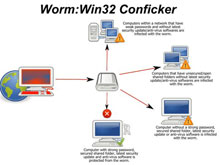
The threat emanating from the confaker worm (aka downloadup, aka Kido) is still relevant. This virus, first discovered at the end of 2008, is one of the largest problems in the world of information security.
According to Securitylab , the 12th Microsoft Security Intelligence Report report, in which Microsoft once again introduced its own vision of vulnerability in the software, the prospects of IT spheres, as well as an analysis of threats based on the results of the second half of 2011. The conclusions of the report are based on analytical data collected from more than 600 million computers.
Over the past 2.5 years, Conficker has been recorded on Microsoft operating systems about 220 million times by 1.7 million systems (detection frequency has increased by more than 225%since 2009). Moreover, only 8% of the infection occurred through the operation of vulnerabilities in various software products. The remaining 92% of incidents occurred due to the use of victims of too weak or compromised passwords.
"Conficker is one of the largest security threats that we are faced with, but in our power to confront her," said Tim Reins, head of the computer security unit of software giant.
Recall that in 2009, Microsoft offered $ 250 thousand for any information that will help to find and hold the creators of this virus accountable.
Conficker is used to abduct information from computers or to create networks of zombies. Such networks, in turn, can be used to send spam, the implementation of attacks on other machines, etc. The virus attacks computers and computer networks on which the latest patches for Windows are not installed. Conficker can be filled on the Internet or through USB devices used to transfer information from a computer to a computer.
Having been introduced into the computer, the virus sets the system of self -defense, which extremely complicates the process of removing it from the disk. The virus is also able to calculate user names and passwords.
The Microsoft report also notes that despite a noticeable reduction in the amount of vulnerability in operating systems, their number in the applications is growing steadily. So, in the second half of last year, there were 18% more for third -party software products.
At the same time, malicious software has acquired the most widespread, which creates keys for pirate versions of software.