
Translated material
Polit.ru Prize
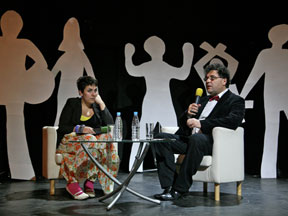
On May 14, 2012 , the result of a large project was summed up - “Polit.ru Prize”. Elizabeth Glinka, better known as Dr. Lisa , was chosen by the man. Electors, representatives of the Polit.ru community, cast her votes.
There were several performances at the ceremony. The speakers said that the most important thing for them. Dmitry Itskovich asked the first to speak to Vitaly Nayshulya. “He is our main match, he is both light and sunk,” so Itskovich said about Nayshula. We will retell close to the text of the performance of Vitaly Nayshul and Sergey Enikolopov. We ask for forgiveness that the narrative will be from the third, then from the first person.
Vitaly Nayshul
Nayshul said that over the past 4-5 months, a certain cut of social life was suddenly exposed. It is important that some other people arose, with other abilities for self-organization. Around them and their abilities, apparently, the dynamics of political and social life will be carried out.
The second important thing that he would like to say about, and it seems to him that it is not so widely known is a huge number of institutional deficits. There are zones where we are traditionally good - good literature, certain sciences, and there are zones where we are used to very low quality. For example, we are accustomed to the very low quality of officials, nobody is concerned about the socio-political language itself. It does not occur to anyone to compare the quality of texts, for example, Putin’s speeches, texts of laws and declarations with Pushkin, Tolstoy, Chekhov.
Accordingly, this habit is such. We know that we have zones of obviously low quality and we are even surprised that we can somehow talk about it. This also applies to jurisprudence, this also applies to such a thing (here Nayshul apologized that he had to say such words) as autochthonous scientific and technological progress or what Sakharov had previously called "catching up with scientific and technological progress."
In short, there is a large number of topics where there is a familiar mess and it is not known how the country will cope with this. This, on the one hand, requires political will, in order to move in this direction, and, on the other hand, requires completely remarkable intellectual efforts.
There are 10 or 20 topics that are considered completely hopeless (they say that in Russia it was always bad, or accordingly, that in Russia there was never something that everyone would like). There are still topics on which there is an obvious consensus from the president of the country to the last drink that has been drunk in a trolley - they will designate these same deficits, but, perhaps, in different words. But everything is complicated by the fact that in addition to outstanding problems - nationwide - there are also serial problems, for example, people cannot agree to make repairs in the entrance together.
There is a very strange feeling that with an obvious huge complex of problems - not only their awareness is not visible, people who could do this are not visible, and still can be seen in public concern. And it may happen that the current wave of protests will go along the same swearing path-they will begin, for example, to discuss the role of parliament: “In the beginning of the twentieth century they talked about the role of parliament, in the early 90s they talked about the role of parliament and returning to our bluly.”
Accordingly, on all such issues, such a cyclic movement is possible that would have pretty tired of everyone. Concluding this performance, I would advise not to do what we have done for three hundred years - not to produce those experiments with the legal system that we have already done before us and so on and so on. Then public energy, perhaps, will go into a new channel and find adequate exits from a very difficult situation.
Sergey Yenikolopov
When I was small, I read the first page of one newspaper, which is not clear how it was preserved in our family, this is our business. On the first page it was written - "Gentlemen, the Bolsheviks scare us all the time that they will take power into their own hands." It was a mocking article, which said - that, finally, take it, well, finally take power into your own hands. The newspaper was released on October 24, 1917. Most of the people in the rapture of February and for further months did not pay attention to the fact that it grows in all kinds of basements and undergrounds.
I have now have a very sad state, because for the past few years I have been engaged in extremism, not only any nonsense “on the Internet”, but by persons convicted of extremism, not for slogans and calls, but for actions. And I have the feeling that in the euphoria of December we can skip what is being done on the right flank. People go to absolutely fascist organizations, refuse sexuality, live like real revolutionaries- "according to Rakhmetov." They have an addiction to the murders, they begin to worry that they were not called for the next murder - this is for them like a breakdown. And they do not go to rallies - they are not even gangstones. We practically do not see them.
It is absolutely wonderful that in the list of nominees there is such a figure as Perelman. A certain position that he, from my point of view, personifies - pure science, is very necessary, in particular, in the area that I do: what can be called social sciences. We have a kind of profanity in them.
When they say "sociologist", then this is something, in the best case- "Levada Center" and some polls of public opinion without understanding what the thought of people is focused on. When they say "psychology", this is "psychoanalysis" - that is generally nonsense.
These sciences do not pay attention to, magazines reprint American research on psychology and sociology. I would like the field of social knowledge to be the object of our own attention. There is no need to wait for help from someone, even from the state, it is necessary that intellectual forces rush there.
Dmitry Smirnov and Olga Khilkova look at the pictures of Elkin
Alexey Semikhatov
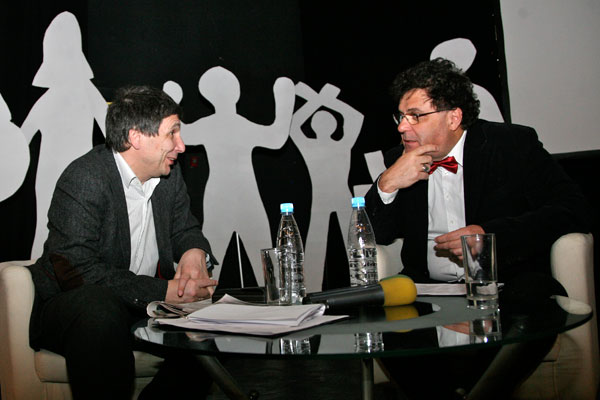
Vitaly Nayshul and Dmitry Iskovich
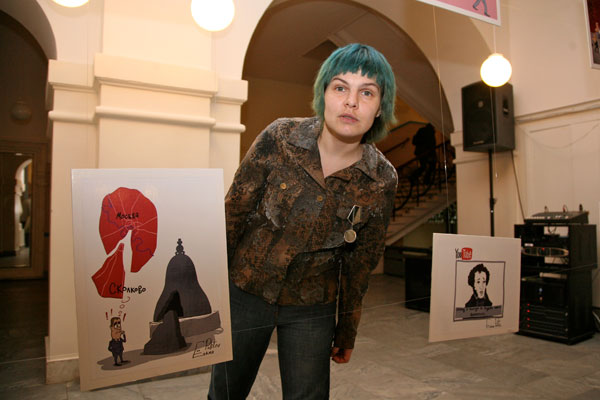
Marina Potapova
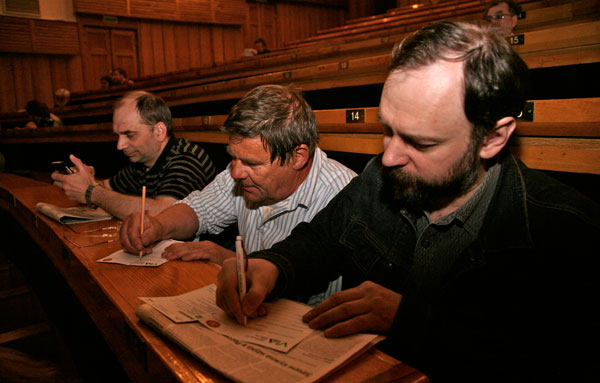
Sergey Spilkin, Boris Stern and Maxim Borisov.
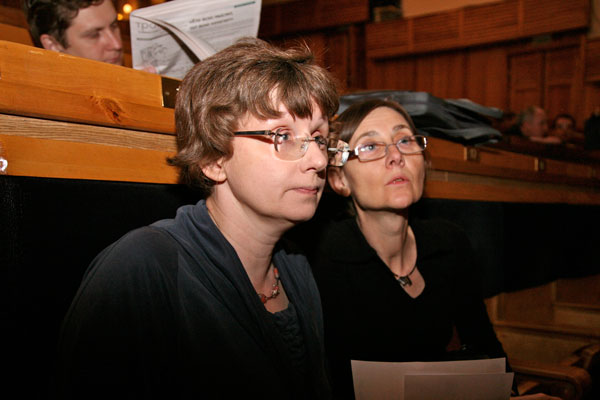
Anthropologists Maria Mednikova and Maria Dobrovolskaya
Mikhail Gelfand
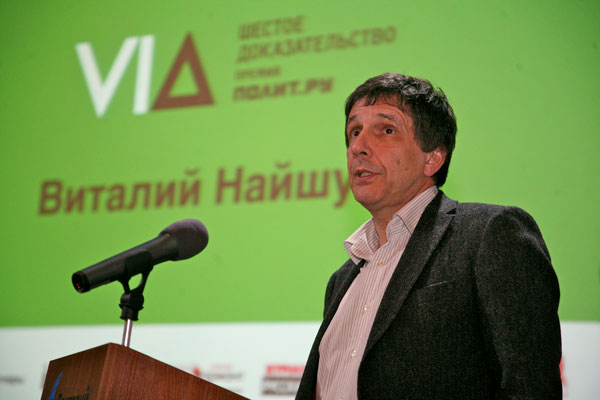
Vitaly Nayshul
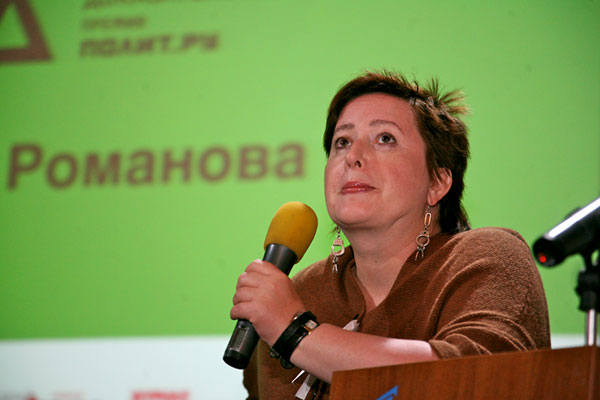
Olga Romanova
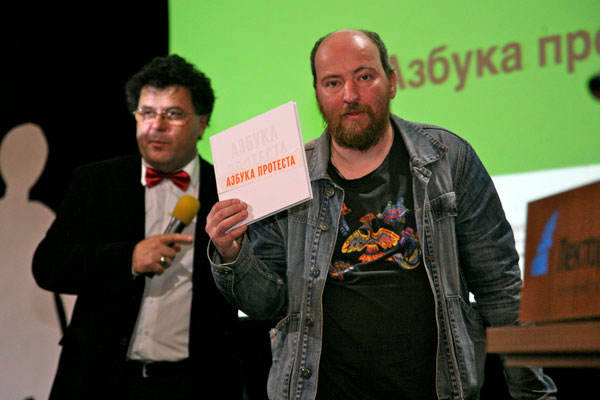
Vadim Lurie
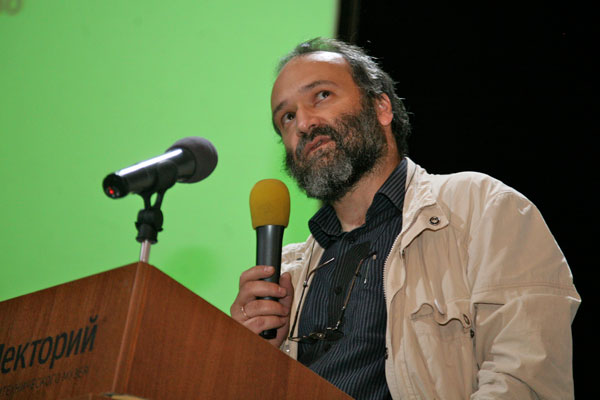
Andrey Frost
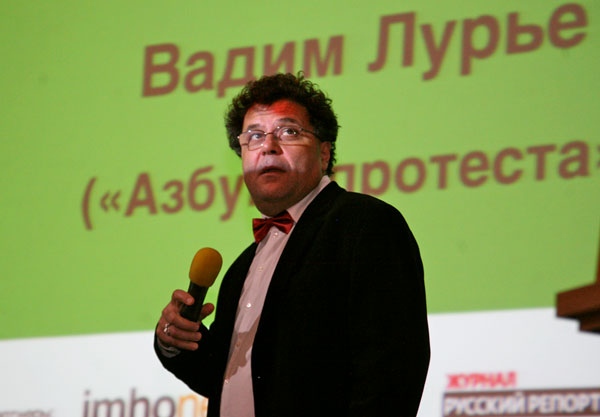
Dmitry Itskovich
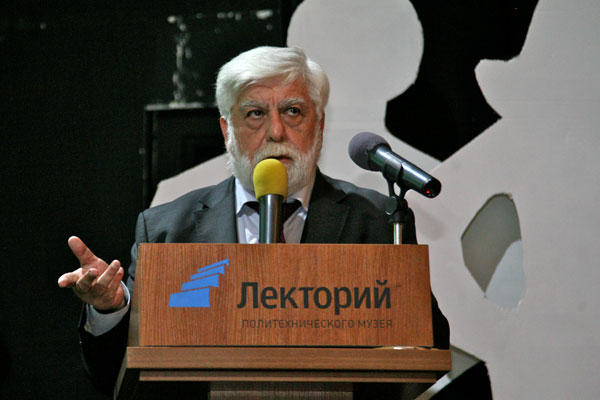
Sergey Yenikolopov
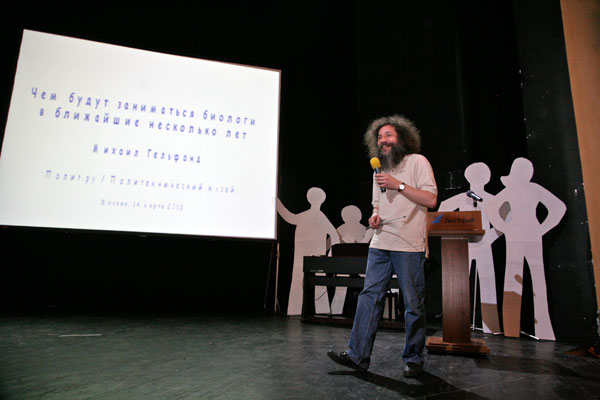
Mikhail Gelfand
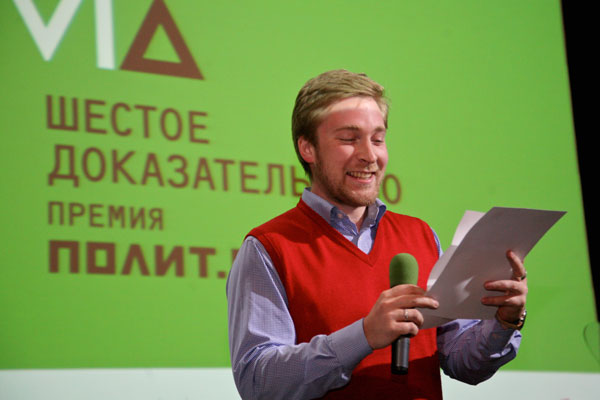
Alexander Pisarevsky
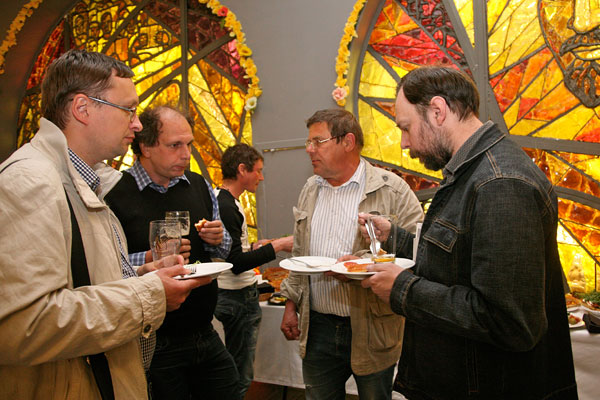
Evgeny Onishchenko, Pavel Plesov, Boris Stern and Maxim Borisov
Natasha Kharlamova and Alexey Chesnokov
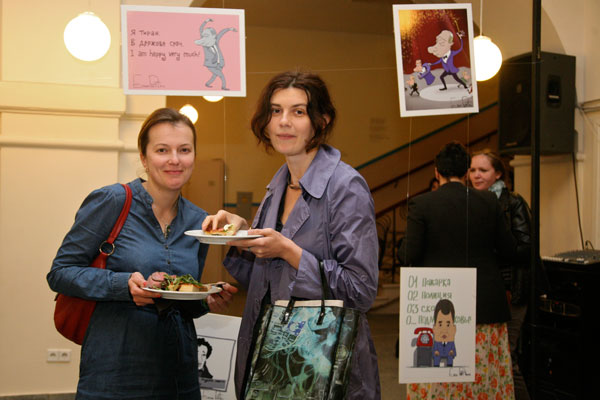
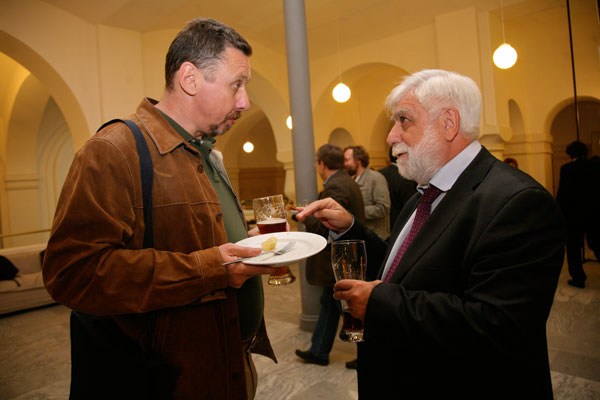
Alexey Miller and Sergey Yenikolopov
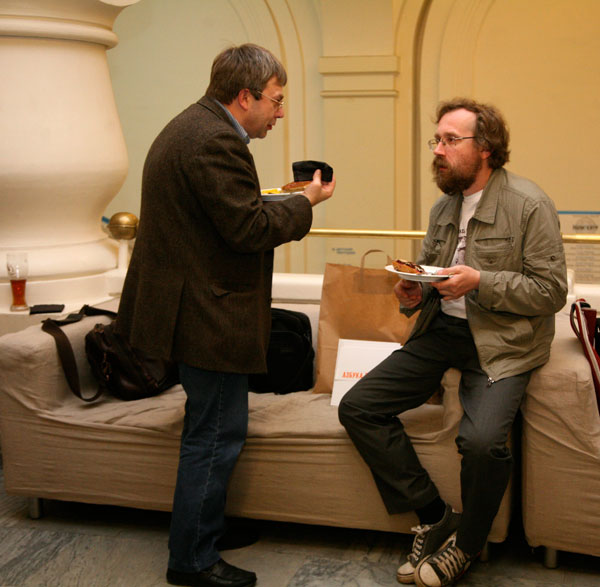
Maxim Amelin and Yaroslav Leontyev
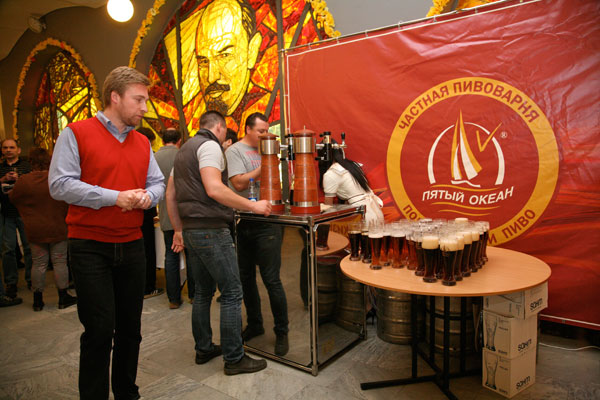
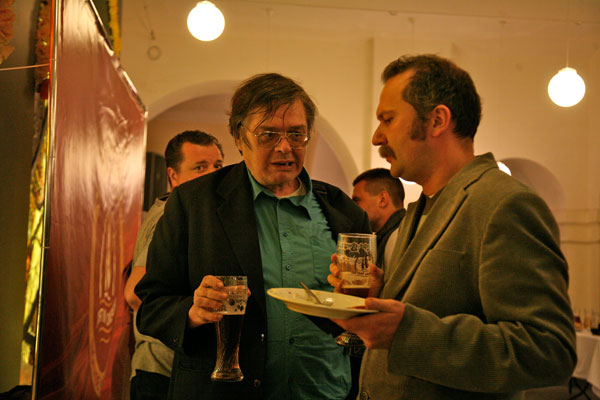
Andrey Belinsky and Andrey Letarov
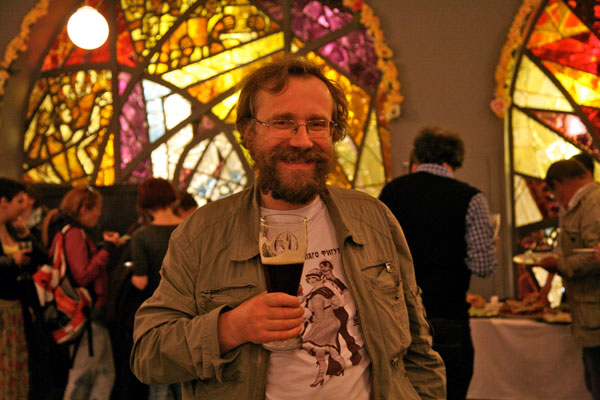
Yaroslav Leontyev