
Translated material
EU leaders agreed to leave Greece in the eurozone
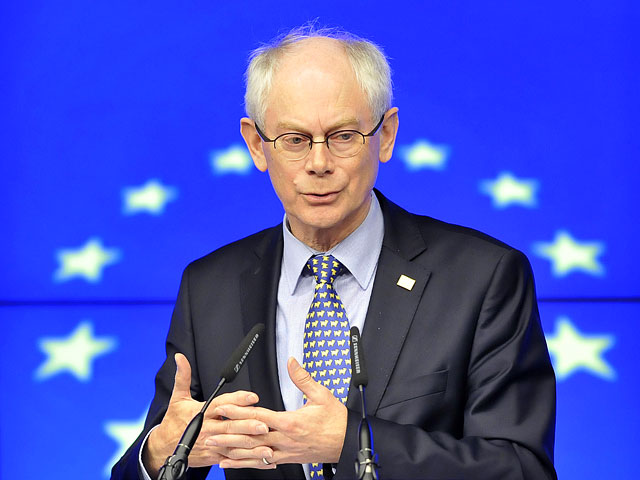
The crisis of the eurozone was the main topic of the meeting of European leaders, who, according to the Russian Air Force service , are preparing for the fact that Greece can get out of a single currency mechanism.
However, the President of the European Council Herman Van Rompey said at a press conference in Brussels that the EU leaders are "well aware of the efforts taken by the Greeks," and want Greece to remain in the euro zone, respecting their obligations. "
The President of the European Council also recalled that the EU countries, together with the International Monetary Fund "since 2010 allocated almost 150 billion euros to support Greece."
Speaking about the disputes that have flashed with the new force about the feasibility of carrying unpopular measures of rigid economy, Herman Van Rompey said that "the continuation of vital reforms is the best guarantee of the future prosperity of the Eurozone."
Meanwhile, new parliamentary elections were appointed in Greece on June 17, since after the May elections, none of the leading politicians was able to form a coalition government. The President of the European Council expressed the hope that the government that will appear in Greece after repeated elections will not abandon the saving measures agreed with international creditors.
On the eve of the shares in the European markets, an average of 2% fell on average due to fears about the possible refusal of Greece from the euro.
According to Van Rompey, the participants of the Brussels summit agree that it is necessary to achieve economic growth, not forgetting about measures to restore financial stability. He called it "two sides of one medal."
The same idea was emphasized by the British Prime Minister David Cameron: "We had a complete consent that the fight against budget deficit and the desire for economic growth are not alternative approaches. The first is necessary to get the second."
At the same time, most participants in the meeting in Brussels spoke out against the launch of general sovereign bonds - Eurobonds. The idea of Eurobonds is actively supported by the new French President Francois Hollande. The most sharply against the idea of the Eurobonds was German Chancellor Angela Merkel, according to which such bonds "contradict European treaties and will not contribute to the revival of the economy."
Hollande, in turn, insists that the time has come to "shift the accents from saving to growth." This idea was one of the main points of his presidential campaign.