
Translated material
The most friendly games
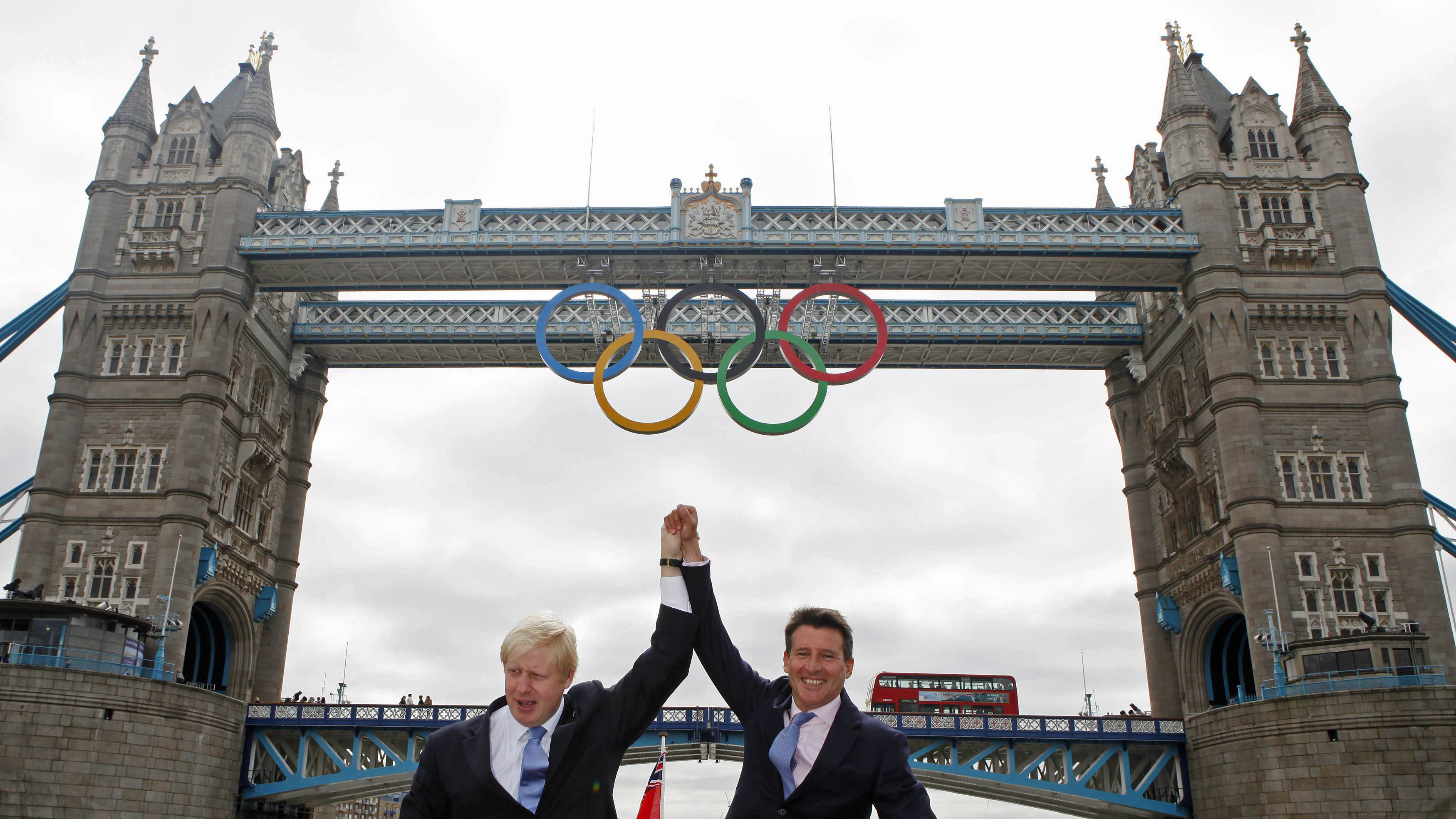
RS expert, historian and sociologist Yuri Tepper talks about the first games in the British capital - the 1948 Olympics in London:
- Olympic chronology is still in the antique manner. Olympiads are not games, but a four -year period between competitions. The XII and XII Olympiads are barren. Olympism is pretty compromised by insidious fascist protection. After the defeat of fascism, most of the European countries are struggling with post -war destruction. A new political situation is being created. The countries of Eastern Europe are involved in the project of the construction of a socialist camp. The right to independence is declared by the peoples of colonial countries.
Is it possible in the new conditions to restore the values and significance of the Olympic movement? The President of the IOC Swede Siegfried Edstrom, elected in 1944, is taken to do this. In August 1945, he convened in London the Executive Committee of the IOC. The decision is made to hold the next Olympic competitions in 1948. The right to hold summer games is granted to London. Edstrom thought and acted in the spirit of Cuberten. Turning to the athletes of the whole world, he talked about the importance of a new festival of sports friendship: "The villains encroached on our culture. The future belongs to the youth and its task is to correct our mistakes and errors."
- The successful holding of the first post -war games is the historical feat and the victory of London. Some sports historians call the 1948 Olympics the most friendly games of the modern era.
- The financial capabilities of the organizing committee were very limited. The decisive role was played by support from the sponsors. The owners of the Wembley stadium, having spent more than 200 thousand pounds on the preparation of the main arena of games, abandoned the fee for using the complex. The military department proposed placing the male Olympic village in the barracks of the Royal Air Force in Oxbridge and in a military camp in Richmond Park. The place of the female village was the hostel of the Southlands College. The organizers did not have the opportunity to purchase gymnastic shells. The necessary equipment was presented for free of the gymnastic organizations of Switzerland, Sweden and Finland.
The format of poor games turned out to be worthy. In London, 4104 athletes from 59 Stores competed in 136 sports. The best results were shown by the US team. The second are the Swedes, the third are French. The debut of Hungary is successful, the countries of folk democracy - fourth place.
The heroine of the games of the 14th Olympiad is recognized as the Flying Dutchman Francin Elsier Fanny Blankert. The runner with a triumph excited in four types of the Olympic program. In 1999, the International Association of Athletics Federations recognized Blankert-kun as the best athletics in the world of the XX century.
- Unfortunately, the owners of the Olympiad were not found for the preparation of a strong national team of the Olympiad. Great Britain was in 6th place in the ranking of participating countries.
- Failure? Not at all. Here are the words of the chairman of the British Association Bersgli:
"London organizers see their award in the fact that they did everything in their power to satisfy guests and participants and show the world that England still exists."
And here are the thanks to the words of the US Olympians:
"At no Olympic Games, we did not observe the manifestation of such a greatness of sports and partnerships. We thank Great Britain and want to express our appreciation, good feelings and good wishes that we filled in the days of the Olympic Games."
The Soviet official press has a special opinion: I quote the New Time magazine: “Against the backdrop of the success of the countries of folk democracy, the failure of English athletes at the Olympic Games is especially meaningful. On the sports paths of the stadium in Wambla, life put England on both shoulder blades.”
- Historians of Soviet sports either did not know, or were silent that athletes of the USSR were invited to the games in London.
Initially, the “good” was given to the “Sports Committee” and the preparation plans began to be approved. But then the leader decided: untimely and early. And in vain! In London, a delegation of Soviet specialists was sent for reconnaissance. Assessing the course of the competition, one of its leaders Gleb Baklanov came to the conclusion: "The Olympic team of the USSR would take no lower than the second place and would compose the main competition for the US team."
July 13 - 2 weeks before the opening of the London Olympiad - listen to the next issue of the program of the program of Yuri Topper "Olympiad in London. Foundation." We will continue the conversation dedicated to the history of modern Olympism.