
Translated material
Lev Uskin: The beginning of Nobel
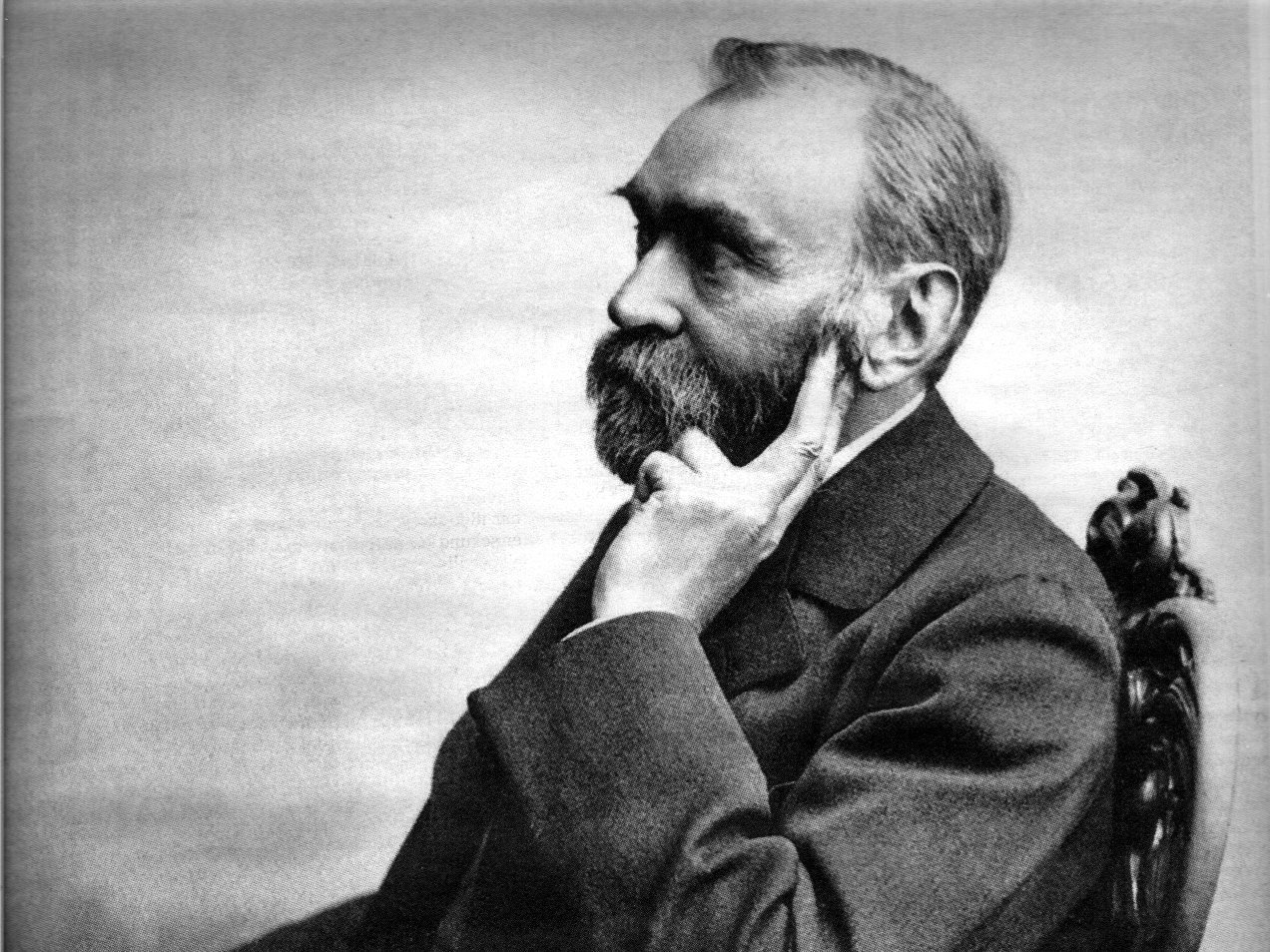
Leo Uskin 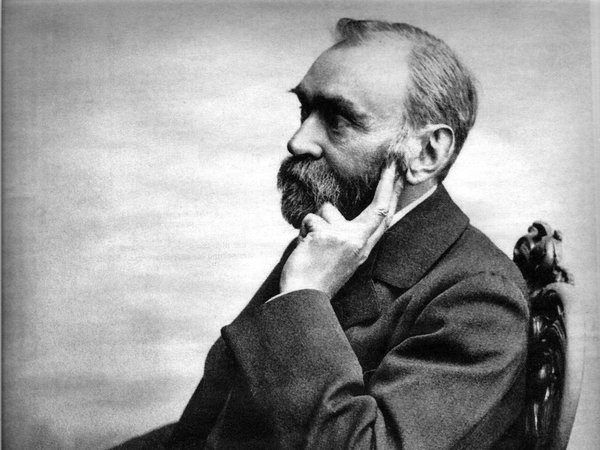 Alfred Nobel. Gösta Florman work fragment
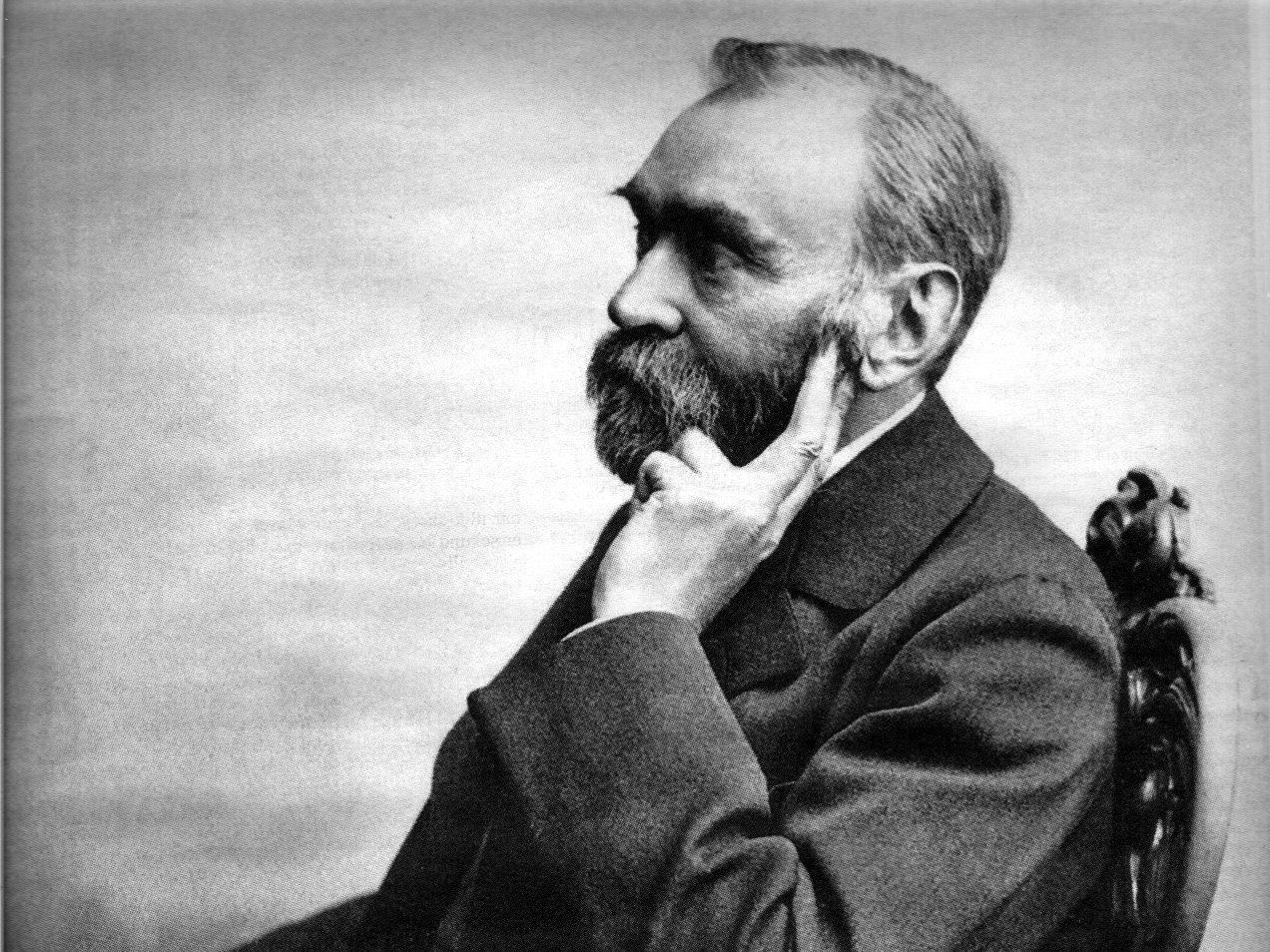 Alfred Nobel. Gösta Florman work fragment
In 1832, in the Swedish Swedish Primorsky town of Jele, the fire destroyed the property of one respected family at the local level, the elder of which the UPSAL Surgeon Emmanuel Nobel once moved to the town. The fire is like a fire: he knew the town and more dummy. In 1776, for example, to Jele, almost half burned, and in 1869 the town has to give the fire eighty percent of its real estate. And, nevertheless, in some indirect sense, this ordinary fire will become a harbinger of the most worse fires and destruction, which will have to cover the world for decades-all countries without exception.
The most active member of the injured family was at the time of the disaster the son of a surgeon, Emmanuel Nobel Jr.. It was a very ambitious, but not too successful at that time a young man (born in 1801). Born in the family, the intellectual traditions of which dates back to the middle of the 17th century, he leaves the house in the incomplete fifteen years, recruiting Yunga into the trade fleet. In the twenties, he settles in Stockholm - he tries himself in the construction business and, at the same time, receives education at once in two educational institutions: founded by Gustav III Stockholm Royal Academy of Arts and the Academic Mechanical School. Apparently, he sees his future in his career as an architect and engineer-builder, to which obvious abilities are showing, but his interest in technology and entrepreneurship extends clearly more than the borders of the mentioned types of activities. He develops projects of prefabricated houses, bridges, etc., returns to Jele, trying to find orders in his homeland - however, he does not gain much success. In his hometown, he seems to have built only the triumphal arch.
Perhaps, already in the early thirties, the inventive interests of Emmanuel headed towards even less promising for neutral Sweden than Civil Engineering, namely, the production of weapons. As a result, having survived the bankruptcy of the fire, Emmanuel Nobel went to where, as he believed, the designer of deadly systems would be met with open arms. In other words, in 1837 the Swede headed for St. Petersburg.
Thus began the history of the Nobel business empire, the story is not easy, replete with ups and falls, bankruptcies and fabulous hits of good luck.
Apparently, the marine mine project was developed by Emmanuel in his homeland - nevertheless, only in 1842 the patent was acquired by the treasury for 25,000 rubles with silver (during the presentation, an experimental explosion was produced in the presence of Grand Duke Mikhail Pavlovich) - which turned out to be very useful for those who had already operated four years of mechanical workshops of Nobel. However, the workshops worked quite successfully without this award - from the beginning of the forties they produced all sorts of complex pieces, up to steam machines and metalworking machines. The award allowed the prize to establish together with Colonel N. A. Ogarev, the adjutant of the very Grand Duke Mikhail, the “Mechanical Wheel Plant” with the foundry shop, and also transfer to the family to Petersburg from Stockholm: back in 1827, Emmanuel married Carolina Andriette Alsel, then she will give birth to eight children.
In general, from the beginning of the forties to the end of the Crimean war, Nobel enterprises developed on military orders for increasing, supplying, in addition to sea mines, a lot of other military engineering equipment. Although, it is the use by the Russians of mine weapons in that war that is considered a real debut in military history, this is the means of struggle. In 1854, due to the danger of the attack of the Anglo-French fleet on Kronstadt, the very first large-scale mining was produced in the Gulf of Finland-about 1,500 minutes were delivered (partially the design of Nobel, partially Jacobi). Three English military steamers were blown up on these fields - HMS Merlin (June 9, 1855 in a new style - it was accepted as the date of the first in the history of a successful mine attack), HMS Vulture and HMS Firefly.
The other initiative of the Nobel of the initial period of his Russian activity, which was not so successfully completed for the Swedish entrepreneur, is less known, but it is quite indicative in terms of describing how such things were then done.
So, at the turn of the forties in the Russian army, the process of transition from flint rifles to mallicing rifle weapons began. This process had several stages - the first of which was in the replacement of flint locks that gave a lot of misfires to shock locks, in which the spark was not carved, but arose from the detonation of a special composition placed either in a capsule or on a special ribbon (in the rest of the rifles, there were no more substantial murderous muzzle -shaped flints at the end of the 17th century. muskets). Emmanuel Nobel did not stand aside from this campaign. Here are excerpts from work dedicated to this project, recently carried out by St. Petersburg researchers L.K. Makovskaya, P.V. Goregad and N. V. Lomakin and reported by them at the recent conference "War and Weapons":
“The alteration of the flint rifle in a shock according to the Nobel system was only in the adaptation of a new castle in return for the old. The remaining parts of the gun were not affected. An anvil was installed on the Klint Castle on the Klint Castle, the vesting hole of which was reported with the costume opening in the trunk, and the flint trigger was replaced by a short -shaped trigger <...>. The combat spring and the trigger were located on the inside of the keyboard. The emperor became interested in the original design of the castle and ordered to consider the invention in the committee to improve fittings and rifles. On February 8, 1841, the Chairman of the Committee, Adjutant General Khrapovitsky, was notified of the “Highest will”, and on April 9 of the same year, a meeting of the committee took place, at which they discussed guns with the stressed castle of Nobel's construction in the presence of the inventor. Already at the first meeting, the committee members positively appreciated the invention, noting the simplicity of the castle. Nobel commented on the wide possibilities of his invention: the ability with one plate in the trigger, to make 140 shots, and in general, from his gun you can make from two to three thousand shots without misfires. <...> Field-Fielde General (i.e. Grand Duke Mikhail Pavlovich-L.U.) , having familiarized himself with the preliminary conclusion of the committee, ordered to urgently make 10 guns according to the Nobel system and test them. By the end of July 1841, the guns were ready. <...> In August, his Imperial Highness Mikhail Pavlovich gives a new order - to previously test Nobel guns in the exemplary infantry regiment. This assignment was assigned to his adjutant Colonel Ogarev, who, before the beginning of the experiments, was to be taught the action of 20 ordinary people from Nobel's shock rifles. On October 17, 20 Nobel system guns were already tested in Tsarskoye Selo, of which 10 were converted from the flint of the 1828 model existing in the Russian army and 10 - a new design. Colonel Ogarev made a detailed report on their tests, where, first of all, he noted the simplicity of the system of the system and the convenience of its operation. He especially appreciated the new guns with one platoon and a castle of a simple design. Twenty soldiers who took part in experiments that had never previously dealt with shock rifles, after a quarter of an hour, were freely treated. It should be noted that the tests took place in autumn cool weather with a strong gusty wind and small frosts. The hands of the soldiers froze. However, as mentioned in the reports, the cold did not interfere with the regular handling of the shock plate and soldiers, mostly dissatisfied with the first glance with any change in relation to the gun, which they used to handle, here everyone unanimously announced that the rifles that were shot are convenient for them in all respects. ”
This, however, was only a preliminary stage of studying the issue. The next step was a thorough consideration of the weapon directly by the participants of the committee, held on November 5, 1841. Two guns - new and converted from the old - were studied at the meeting, disassembled, prudently examined, again collected. After which the committee unanimously decided to consider Nobel's guns "deserving special attention." That is, he gave sanction for further tests.
The third stage was to clarify the technological nature of the weapon - that is, the ease of its mass production at state weapons plants. For this, two guns - new and converted - were given to the Sestroretsky arms factory, where, without the participation of Nobel itself, they had to make their copies.
The fourth stage was a large-scale check of the reliability of the weapon by the forces of the Life Guards of the Pavlovsky Regiment, the commander of which was the member of the Major General Mueller 2nd: the test volume of 18 rifles (out of 20, as we know) amounted to 7,500 combat shots. Nobel was allowed to be present during tests-in addition, under his direct leadership, the necessary ammunition was made in the St. Petersburg Artillery Laboratory. In December 1841, the Committee approved a special instruction for conducting testing data.
Here is only the first, very curious point here: “ For certification, is it easy and soon people can be trained in the action of the newly proposed gun, to appoint one part of people from more understanding and quick -hearted, the other is not so capable, the third of the least understood and experienced.”
The audit was carried out from January 24 to April 15, 1842-before, from January 17, 18 soldiers in the presence of Nobel were trained in the treatment of new weapons: its assembly-disassembly, the use of the plate, etc.
The mentioned researchers write: “In general, in the process of testing, as General Molller noted, there were no difficulties except two circumstances: in the new rifles, an inspection of the internal device of the trigger in case of any malfunction, for example, the wheel of the wheel, could only be carried out when disassembling the rifle. Otherwise, it was impossible to remove the top board of the trigger mounted on the rod attached to the shank. Unlike new rifles, the trigger of the internal parts of the trigger did not cause any difficulties. The second remark, marked in the journal, concerned the action with the plate. General Moller was forced to admit that the placement of the plate in the trigger on a campaign requiring special dexterity could not be performed by every soldier. This problem can be solved provided that the initially invested plate will be quite enough to spend all the cartridges in the soldier's bag. With the subsequent replenishment of cartridges, the soldier will have time for placing a new plate in the trigger. During the tests there were breakdowns of castles at three redone rifles, but they were quickly eliminated. At the end of the tests, Nobel, making sure of some shortcomings of its system, in particular the configuration of the trigger head and the location of the costume channel, introduced two rifles, one new, another alteration, improved structure. Within five days, up to 1,500 combat cartridges without one misfire were released from each gun. The plate gave from 150 to 200 shots. The last 600 shots were without washing the barrel. On May 26, 1842, Major General Moller made a copy of the test log and 20 guns, including two improved construction, to the committee to improve fittings and rifles. ”
On May 30, 1842, the Committee approved the tests and decided to move on to the next phase - checking functioning in adverse conditions. In the same Pavlovsky regiment on the Semenovsky parade ground, 20 guns of the Nobel system were tested in artificial rain. This test of the gun was completely failed - as soon as the water fell into the expenditure channel and through it into the castle, as the charge was completely wetted and the gun was not able to make a shot. Whereas the usual flint gun in such a situation required only replacing theolistic seed. The results of this embarrassment, however, were not brought to the committee. Apparently, the Swede's lobbying opportunities worked: having lost interest in the project, he, nevertheless, was not interested in publicizing failure - the reputation was more important than this contract - the light did not agree on these guns.
“Therefore, ” the researchers write “when in September 1842 the question arose about conducting wide comparative tests of the new plate system of shock weapons of Baron Gerthelu with other similar systems, the Committee for Improved Stepter and Rules invited I. Nobel to participate in them. The tests were supposed to take place under the direct supervision of the committee and the special commission in the exemplary regiment. Nobel had to represent 60 guns of its design. But on August 4, 1843, on the eve of the tests, he informed the committee that, due to the circumstances, could not begin to make the guns of his system. And less than a year later, in March 1844, the inventor decides that he is ready to take part in comparative tests and monitor the manufacture of 60 rifles of his structure, provided that he will preliminarily pay 2 thousand silver. Field General of Nobel sent a proposal to the committee. On April 22, 1844, the Committee issued its conclusion: since the Russian army has already been introduced in the Russian army, there is no need to satisfy the demand of a foreigner Nobel. In June, the conclusion was highly approved. ”
However, all the secret sometimes becomes clear - the useful properties of the state bureaucratic machine include the fact that, so to speak, it does not tolerate emptiness: if there is a gap in it, a balloon of correspondence is immediately formed around it, enveloping a pearl, enveloping a sandwich that has entered a shell. One way or another, the official instances corresponded about Nobel’s guns until March 1845: in February, military Minister A. I. Chernyshev requested a committee on the test results of Nobel rifles, the Committee, in turn, requested Muller, who had become a lieutenant general by that time, he reported on the failure of 1842, as well as that Nobel promised to eliminate Nobel to be removed The identified shortcomings directly during the tests, but no longer appeared.