
Translated material
Krymsk: Will there be a second wave?
In conditions when no one trusts the authorities, the inhabitants of Crimean are disturbed by the question: will there be a second wave?
On the afternoon of July 7, when the water began to subside, I asked people wandering near the flooded houses about the causes of floods. The opinion was unanimous: "The gateways were opened at the Neberthazian reservoir." Despite all the assurances of the authorities, this version remains the main one for the inhabitants of Krymsk.
In the afternoon, a rumor of the second wave spread among people in Krymsk. We went to Neberjaevskaya - the place of the alleged offensive of the second wave. The bridge was blurred into the village, switched. The interviewed man said that during the day people came in civilian clothes, who warned about the second wave. There were similar cases in Krymsk.
To understand the possibility of the first, and, possibly, the second wave, I traveled all the main tributaries of Adagum above Krymsk, and on July 8 I managed to get to the reservoir itself. As a result, it came to the conclusion that the possible discharge of water from the reservoir could not be the main reason for the emergence of the flood. I will try to state my arguments.
The topographic map shows the places where I tried to evaluate the water level during the flood. This was greatly helped by data on the height of the bridges indicated on the map.
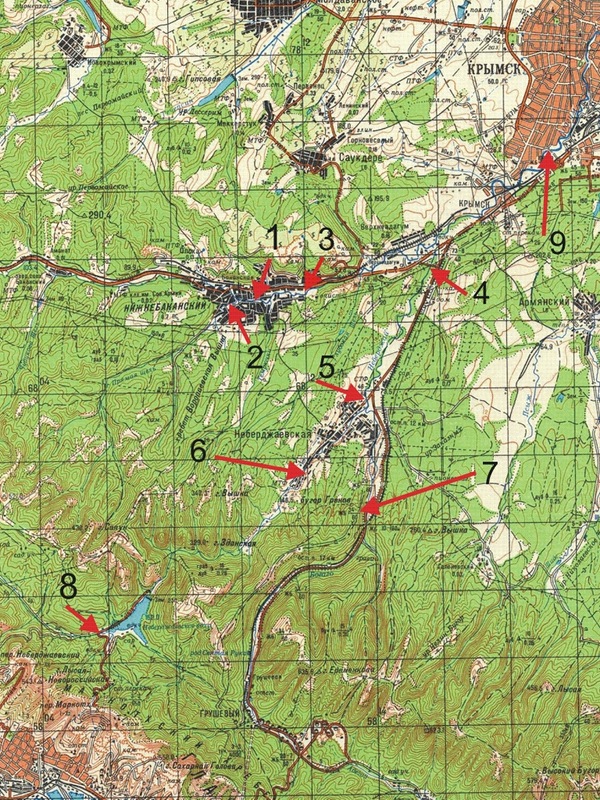
So, in the photo 1 bridge over the Bakanka River in the village of Nizhnebakansky. The water level was higher than the usual more than 7 meters:
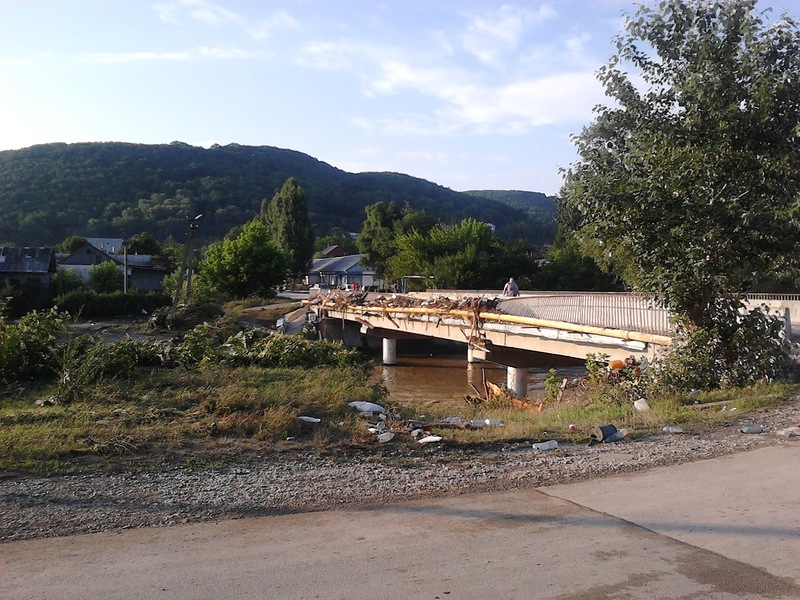
Photo 2: the right tributary of the bacanka, a straight slot, near the confluence of the rivers. The level is about 4 meters.
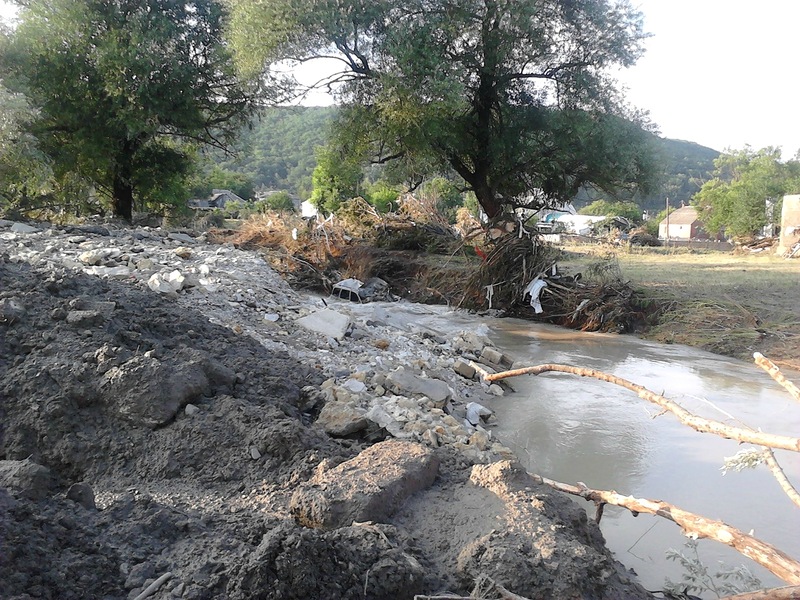
Photo 3: The lower part of the village of Nizhnebakansky. Level 7-8 meters. 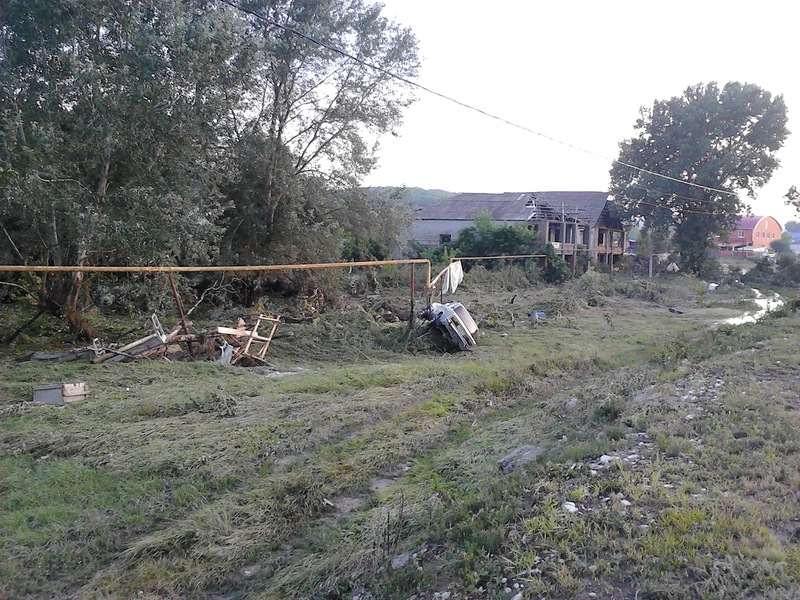
Photo 4: Bridge across the Neberjia River near the merger with Bakanka, the level of about 7 meters 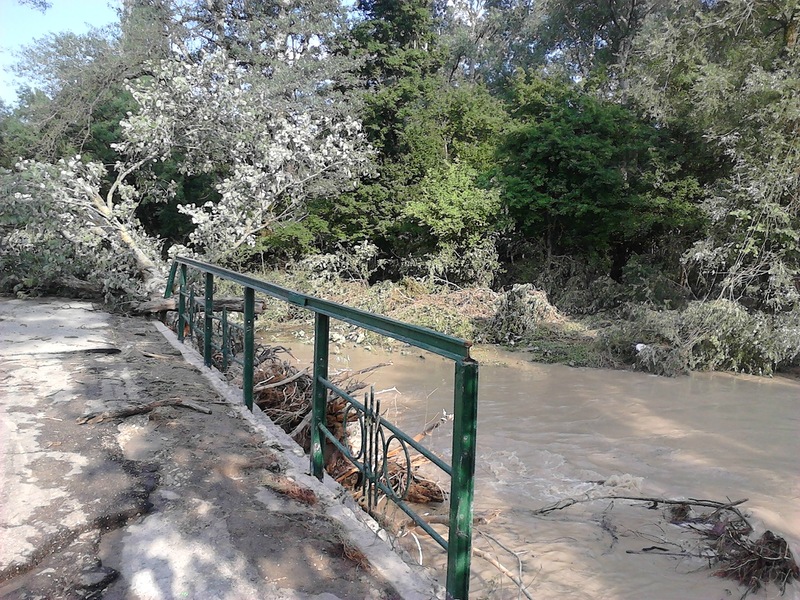
Photo 5: The bridge across the Neberje River is below her merger with the river of the rich, the level of about 7 meters (the water washed the embankment, but not the bridge itself). 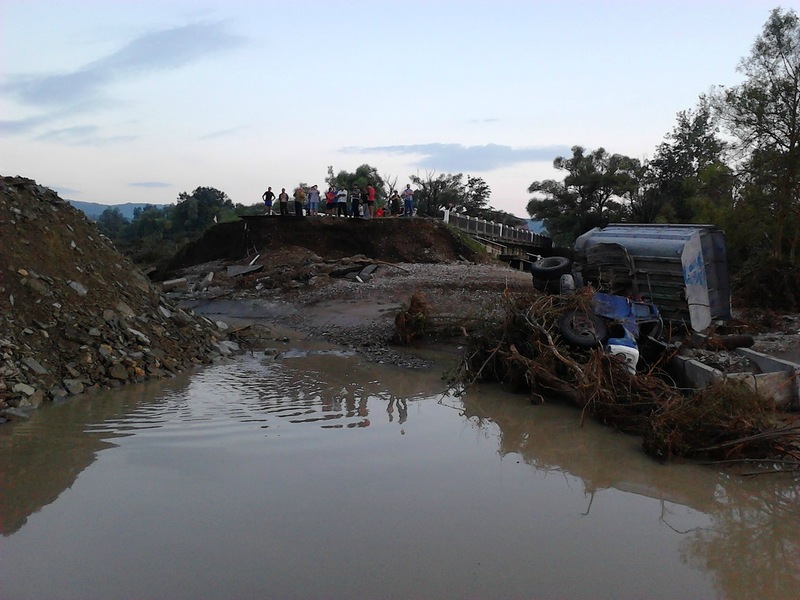
Photo 6: Neberjaevskaya’s upper part of the village of Neberjaevskaya, a height of about 5 meters (poor quality, but you can see where the gas pipeline is bent).

Photo 7a: a bridge over the River of the rich four kilometers higher than the merger with the Neberjia River, the height of the water is 7 meters.
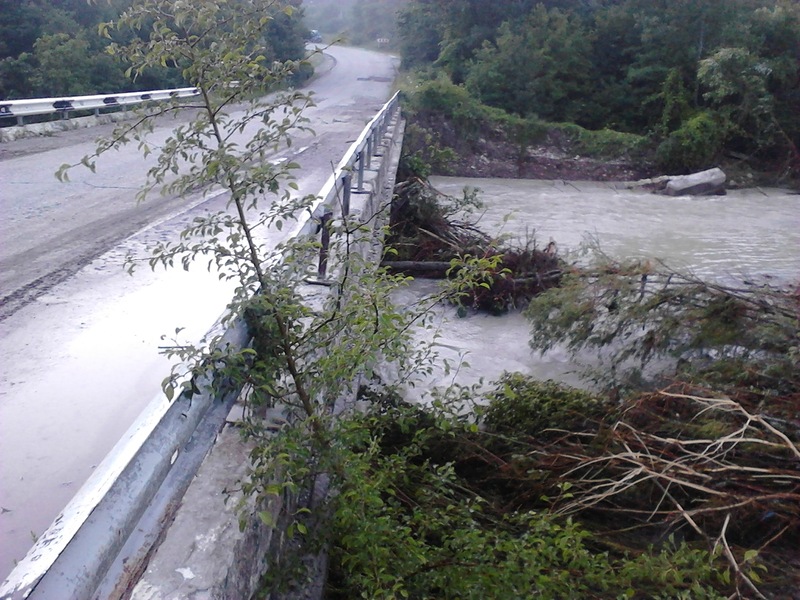
Photo 7b: the river of the rich below the bridge (traces of the strongest flood).
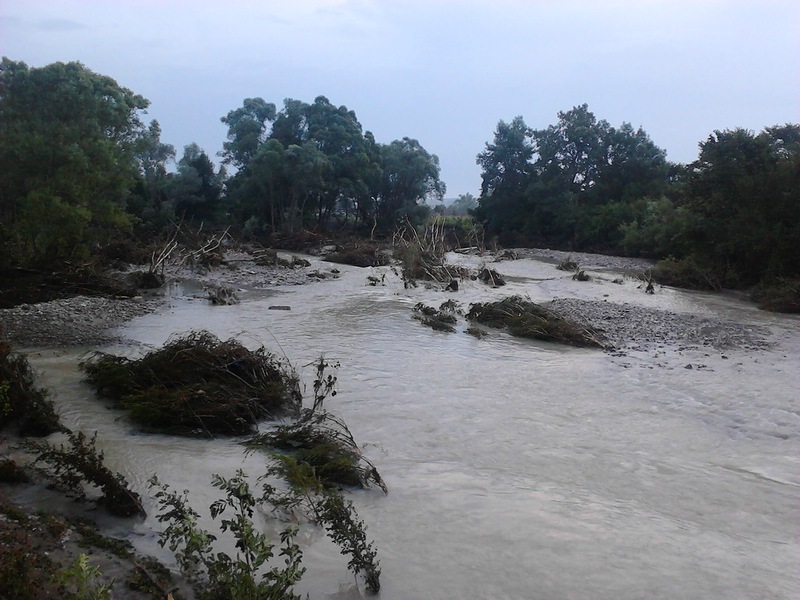
Photo 8: the road at the top of the Neberjei reservoir (washed up by rising water). 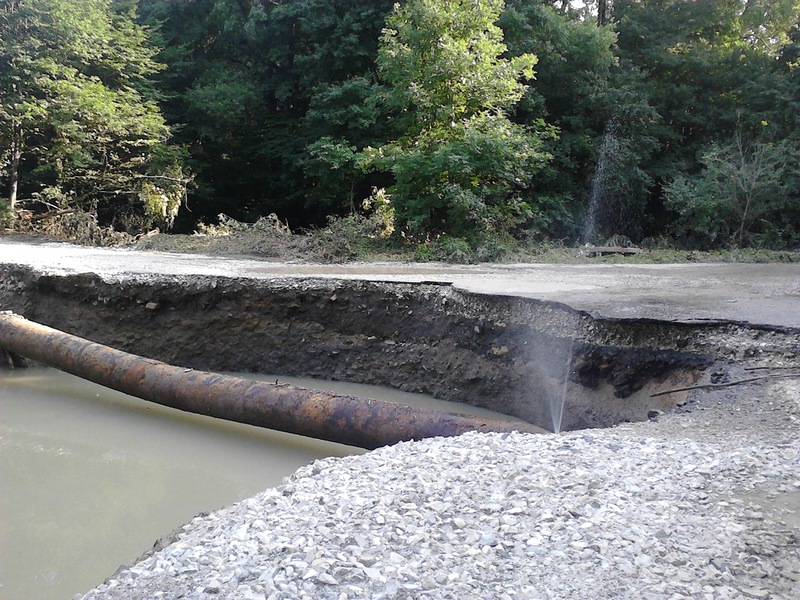
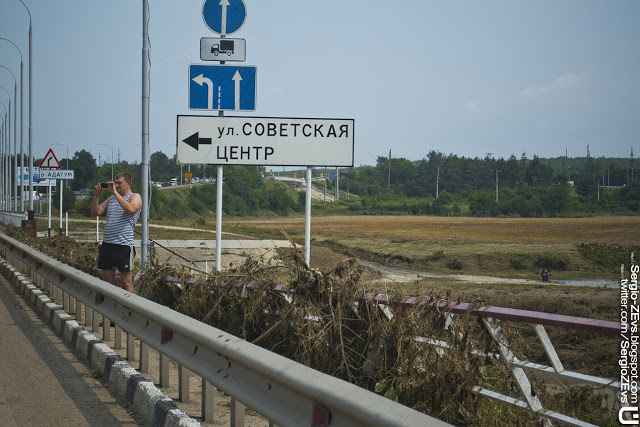
Photo 9: Water level in the area of the bridge over the Adagum River at the entrance to Krymsk (more than 11 meters).
The rise of water in the Neberjei River (in the upper reaches of which the reservoir is located) in the area of the village of Neberjaevskoye was lower than the rise of water in the River of the Boga, on which there were no reservoirs. After the merger of Neberjay and the rich, the rise in water was also less than the rise in water in the Bakanke in Nizhnebakansky. Simply put, if the big water in the Crimean came along the Neberja River, the village of Neberjaevskoye would have suffered most of all. However, destruction in Nizhnebakansk is much stronger.
Thus, one can completely exclude the version that the cause of the flood was the discharge of water from the Neberjaevsky reservoir. The rise of water in the Bakanka River was higher than the rise of water in the Neberjei River, even after the place of its merger with the river of the rich.
In the basin of the Bakanka above the village of Gorny there are small reservoirs that I have not examined, since a few kilometers above the Nizhnebakanskaya intensity of the flood was noticeably lower. Water came to the village not only from above, but also from the right tributary - a straight slit, and it came from the influx as if no more than the Bakanka river.
Therefore, I also exclude the version of the breakthrough of some dams in the basin of Bakanka.
I think that reports of the “wave”, which came to the city of Crimea, are associated with the psychological characteristics of the perception of events. People whom no one warned took a sharp catastrophic flood precisely as a “wave”. The reasons for a very fast (but not instant) rise in water have to be found out. Often the cause of catastrophic floods are tornadoes.
Now about the probability of the occurrence of a “second wave”. As follows from the report of Tkachevsky 9 of the channel and the above photo 8, the Neberjeskoye reservoir is full. Otherwise, it is difficult to explain why the water has blurred the technological road at its upper part. Nevertheless, if the dam built during the USSR withstood the flood on July 7, then, probably, there is no threat of the second wave. But with the reservoir, it seems, something is wrong.