
Translated material
The case of the "Colorado shooter": the court sided with the killer, classifying data about him
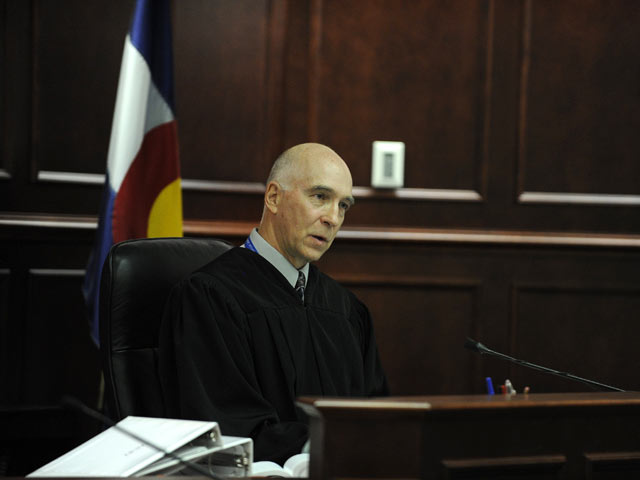
The case of the "Colorado shooter" of James Holmes, who shot 12 people at the premiere of the new Batman film, received an unexpected turn. It was decided to classify the information on it by making the investigation and the trial less transparent to the public, the Los Angeles Times reported.
The corresponding decision was made by the chief judge of the district Arapaho William Sylvester. The judge’s order was signed after the first meeting in the case of Holmes, which took place last Monday, July 23, and published on Thursday.
In particular, according to the order of the judge, the University of Colorado, where Holmes studied, is forbidden to submit any notes or documents regarding the accused.
Earlier, a number of media, including the Los Angeles Times and the Associated Press news agency, addressed the leadership of the educational institution. With the help of university records, journalists could make assumptions about the reasons that expressed Holmes to crime.
Typically, in such cases, the transmission of data in the media is the norm allowed by a special law. However, the district court has the right to take the ban.
In this case, it was done. As Los Angeles Times notes, choosing between the right of the media to receive information and the desire to observe the right of the defendant, the court made a choice in favor of the latter.
In addition, the court ruled that the next meeting, which will take place a week after the first and at which Holmes will read out official charges, will not be broadcast on television, although the press is allowed to be present in the hall.
This decision is due to the fact that the first appearance of Holmes in the court, where he appeared with his hair painted in bright orange, caused indignation of the public and relatives of his victims.
Earlier, at the request of the lawyers of Holmes, the district judge forbade his subordinates and law enforcement agencies to provide someone with information on this case before the court.
The media note that the ban on the transfer of data on the defendants in itself is not something out of the ordinary. However, in this case, such a decision was made with unusual haste. The director of the committee of reporters for the freedom of the press, Mark Karamanik, called the court of the court "excessively aggressive."