
Translated material
In the Olympic Sochi Energy Crisis: Kerosene and Battering
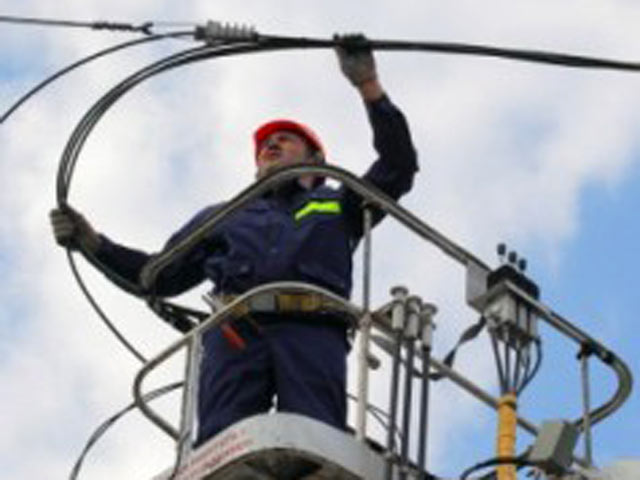
In the pre -Olympic Sochi, infrastructure problems are growing: local energy has announced the transition to a special mode of operation. Kubanenergo, which is part of the IDC Holding, asked citizens to reduce energy consumption, not to include electrical appliances such as air conditioners, teapots, irons and washing machines. And if you turn on, then not during the day, but at night - due to catastrophic - over 80% of infrastructure wear.
According to the company, in June of this year, 11.6% of electricity has already been spent more than in June last year. The heat is to blame: "Increased electricity consumption during high temperatures is associated with the massive use of energy -intensive air conditioning and ventilation systems, an increase in the load on the distribution electrical networks leads to technological disorders," energy emphasizes.
According to them, the situation is aggravated by the fact that construction organizations operating in the territory of Sochi are often damaged by cable lines, which leads to a violation of the power supply of residents and guests of the resort. For the first half of 2012, more than 70 were recorded such facts.
In addition, the damage to the reliability of the power supply to Sochi is caused by entrepreneurs who unauthorizedly connect cafes, restaurants and mini-hotels to electric networks. This leads to an unforeseen increase in loads in resort areas.
As explained by the “Independent Gazeta” in the company “Holding IDSK”, CURSED COMPENTERS is conducting a large -scale reconstruction of the city distribution network with a total length of 806.7 km. Two new substations were built, in 2012 another will be commissioned.
Kubanenergo is building nine 110 kV power lines with a total of 198 km, the total investment is estimated at 30 billion rubles. All projects will be completed during 2012-2013.
Pavel Filippenkov, managing director of the Traid Portal investment company, commenting on the situation, recalls that the old worn-out networks that were designed without calculating the intensive growth of the city. As well as the use of electrical appliances, which were not used in everyday life. But the full modernization of networks takes more time. “In the next couple of years, the problem with the power supply will be removed,” the expert hopes.