
Translated material
Spectators as an Olympic problem
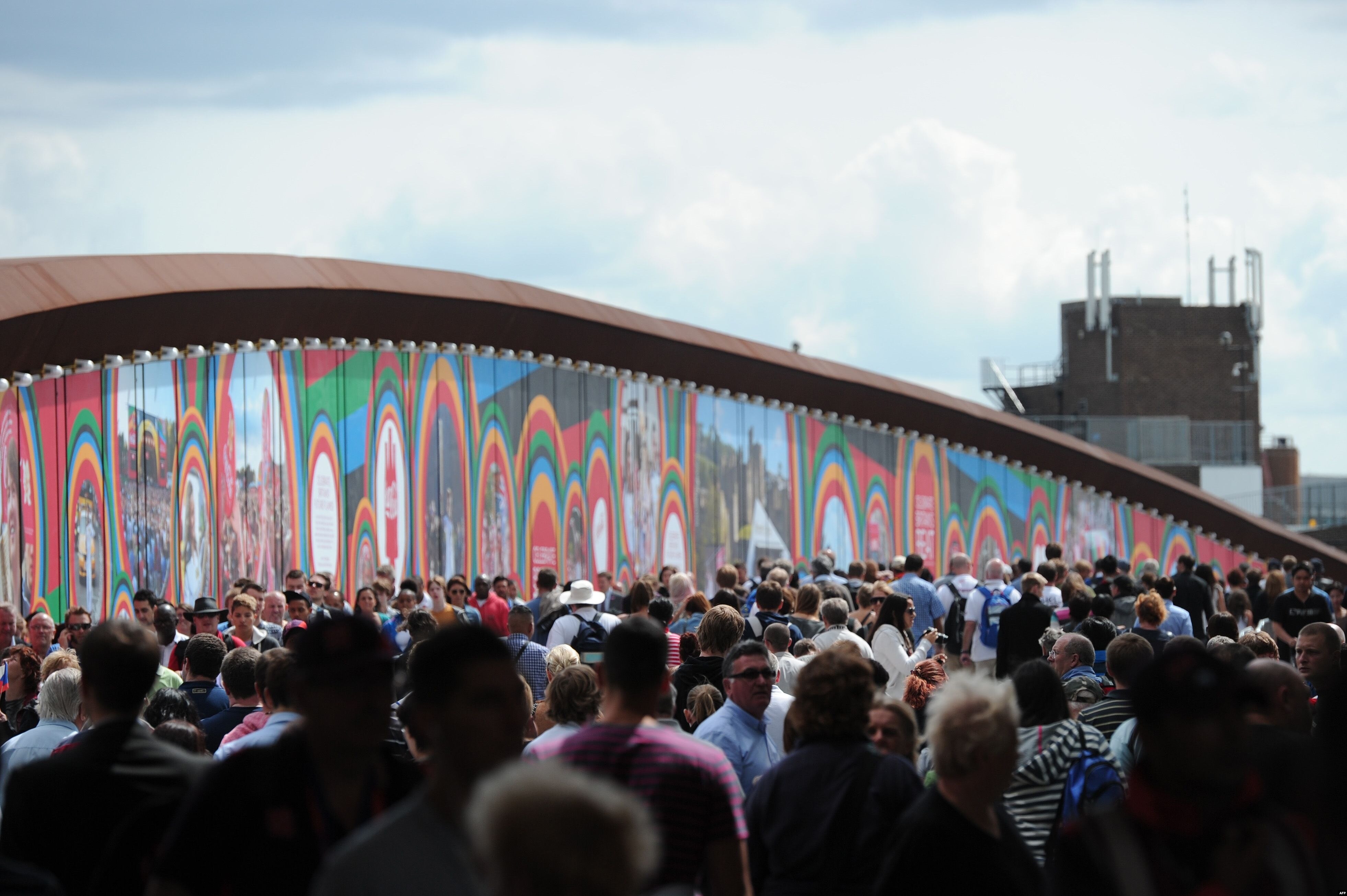
Tickets for the Olympic Games in London began to be sold long before their opening . There were more people who wanted to buy them than the tickets themselves, so it was decided to sell them on a draw. About a million people were not able to purchase tickets for the Olympics. Of the total amount of 8.8 million for the general public, 75 percent were reserved, 12 percent were allocated by the National Olympic Committee, 8 percent were received by the game sponsors and 5 percent - government officials, members of the International Olympic Committee and the press.
On the first day of the Olympics, it turned out that a significant number of places were empty on some sports arenas. The stands were not filled with gymnastics, swimming, volleyball and tennis competitions. A large number of places were unoccupied even at the opening ceremony of the Olympics. The Organizing Committee of the Games claim that these were the so -called "accreditation places", tickets for which were not sold, but allocated to officials, IOC members and the sponsors of the Olympiad - large financial and industrial corporations. Sponsors - and these are Coca Cola, Visa, McDonalds and Proctor & Gamble - assure that tickets were distributed among employees and customers of corporations ...
The head of the Organizing Committee of the Olympiad, Lord COU, called the incident a serious shortcom in the work of the committee, which long before the opening of the games assured the sports public that in London would not repeat the mistakes of the organizers of the Games in Beijing, where in the early days of the Olympiad on sports arenas, entire sectors were not filled. He promised to identify and name the culprits of the scandal.
The Minister of Culture, Sports, Presses and in the Affairs of the Olympic Games Jeremy Hunt promised to conduct a thorough investigation of what happened:
- We are very upset, because one of our main priorities at the London Olympic Games was to ensure the occupancy of sports arenas. I was at the Olympic Games in Beijing in 2008, and one of the lessons that we learned from their holding was that the full stadium creates a very favorable atmosphere for athletes, moreover, it is comfortable for the audience. We consider this an absolute priority. The Organizing Committee of the Olympiad will conduct a thorough investigation of what happened. We assume that empty places correspond to tickets issued by the sponsors of games. If they are not filled, then tickets to these places will be available to the general public and resold, as this improves the atmosphere of competitions. For us, this is a problem of paramount importance. However, to say that most stadiums and arenas are absolutely filled. We sold much more tickets for more sporting events than it was at the previous Olympic Games. We are very proud of this and want to be sure that this will never happen again, ”said Jeremy Hunt.
In the meantime, the organizing committee of the Olympic Games found a quick way to correct his own omission. Military personnel, students and schoolchildren were invited to incomplete places in the stands. About 50 soldiers could be seen on the rostrum of gymnastic competitions in Greenwich, 115 teachers and students from the surrounding schools were invited to stadiums. More than three hundred tickets for handball were sold at significantly low prices: five pounds for adults and one pound for children.
The head of the British Olympic Association, Lord Moynikhan, invited the Organizing Committee of the Games to be guided by the so-called "30-minute rule": if within 30 minutes after the start of the competition the place on the rostrum remains unfilled, the ticket for it should be sold to the British fans. Tickets that are not in demand by sponsors or members of the IOC, he believes, must enter the overall sale.
During the undergoing investigation, it turned out that many tickets were in the hands of speculators, to which they did not get from the open sale at all. Several speculators have already been arrested, they are being clarified from communication with possible official ticket distribution channels.
The most paradoxical thing is that not all tickets for the Olympic Games turned out to be sold out. Now officially offered from one hundred to one hundred and fifty thousand tickets that can be purchased via the Internet. These are mainly tickets for Olympic men's and women's football, which turned out to be the least popular sport at the London Olympics.