
Translated material
The dollar went up by 8 kopecks, the euro fell by 6
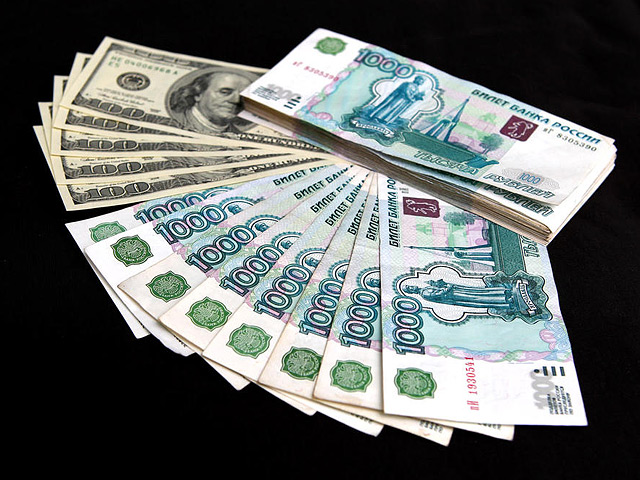
The dollar slowed down at the MICEX, and the euro, which trembled in the morning to the ruble, moved to a decrease. The ruble stabilized to the bivalyut basket. As previously reported, the Central Bank of the Russian Federation on August 1 resumed the sale of currency in the domestic foreign exchange market, from which it refrained during the first two days of the current week, the Finmarket reports.
The weighted average US dollar exchange rate to the Russian ruble with the term of “Tomorrow” accounts at the auction of the Unified Trade Session of the Inter -Bank Currency Exchange Exchange as of 11:30 in Moscow, on the basis of which the process of course formation of the dollar the next day has increased by 7.98 kopecks and amounted to 32.5361 rubles.
The weighted average of the euro with the period of calculations "Tomorrow" by 11:30 fell into 5.70 kopecks and amounted to 39.6939 rubles.
The ruble is relatively stable to the bivalyut basket. Its cost increased only by 2 kopecks - up to 35.76 rubles compared to 35.74 rubles on Thursday.
In the international Forex euro market, it rises to the dollar. As of 11:35 Moscow time, the euro exchange rate to the US dollar increased to $ 1.2205 compared to $ 1.2180 at the time of the market was closed on Thursday.
The Central Bank of the Russian Federation, on August 1, sold currencies for 2.26 billion rubles (about $ 70 million), data on the Bank of Russia website .
Thus, the Central Bank of the Russian Federation resumed the sale of currency in the domestic foreign exchange market, from which it refrained during the first two days of the current week.
On the first day of August, the dollar and euros grew, the ruble decreased in relation to the bivalyut basket (its cost increased by 18 kopecks, to 35.69 rubles) amid improving the situation with ruble liquidity and in connection with the caution of the participants in the anticipation of meetings of the US Federal Reserve and the ECB.
The previous break in conducting operations of the Central Bank in the domestic currency market also lasted only two days (July 19 and 20), it was the first after a month and a half of the Central Bank’s regular interventions that began against the background of the weakening of the ruble.