
Translated material
The show continues
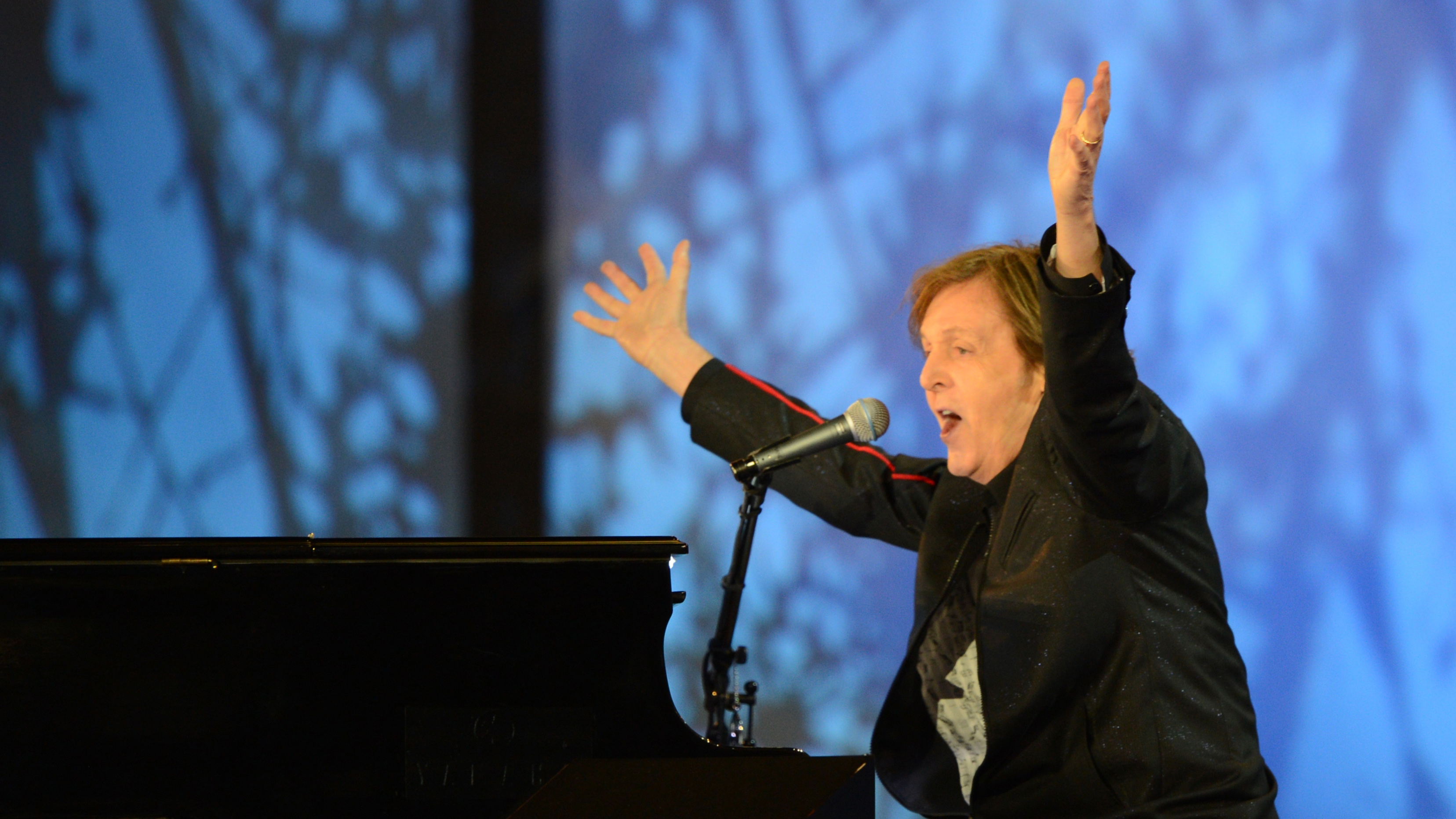
At first, having heard the outskirts of the planned London-2012 festival, many did not understand what it was and for whom-advertising looked too amorphous. But after the weekend, preceding the opening of games, when concerts with the participation of musicians from all 205 participating countries took place at six metropolitan venues, the matter went more fun. There were opinions that it was this "river of music", as the organizers called the series, and reflects the genuine Olympic spirit (no matter what it means there).
To refute the myth of the incompatibility of sports and culture, various initiatives arise around. For example, the Guardian newspaper launched the special project "Olympiad-2012 in art." It was opened by the famous British artist David Hokni with a poster, on which he commented on the opening ceremony. It says: "I noticed that there were a lot of smoke from the fireworks, and from the cigar of Brunel-nothing, does this mean that the BBC considers the art of a polemic in the style of a directive (not burning), and not reflective (burning)?"
In addition to the events dedicated to the games, everyday cultural life is also going on in London: theaters, museums and concert halls have not gone anywhere. At least, performances and exhibitions continue; However, it is noted that in the London West End, with the beginning of the Olympics, it became somehow empty. The owners of restaurants and shops complain: they say that the authorities scared the people with their predictions about the crowd, and now we were left without profit in the "city of ghosts." However, as studies show, all the tables in the most fashionable metropolitan restaurant were still ordered until May next year, and the most popular shows can only be viewed from standing places. The Minister of Culture and Sports of Britain Jeremy Hunt said that amazing moods are “complete nonsense”: life in the center has not frozen, and many entrepreneurs are successfully using this.
Some tourist places really experience a lack of visitors. So, the Madame Tussaus Museum, where there is usually a long queue, announced a special predecessor: until August 12, you can go there for the price of one. Among the wax figures collected there, there are images of outstanding athletes, and therefore, sports lovers who failed to see Jessica Ennis, a British favorite in athletics all -around, will be able to compensate for this loss.
There are many places in London where it is always crowded and there is something to see, among these - SouthBank Center on the southern shore of Thames. Last summer, in good weather, it was as lively as it is now - that is, extremely. Outside, pop music sounds, inside-classic, across the road, in the National Theater-an autistic voice of a fifteen-year-old hero of the play "The mysterious night murder of a dog." And in the royal festival hall there was a structure inspired by Borgees's works - a labyrinth of 250 thousand books, 300 meters long, three high. They built it-quite in the spirit of the current games-volunteers-enthusiasts.
Promotions that are cultural (in one sense of the word) character occur everywhere. The other day, the heads of a number of city statues - from Admiral Nelson at the top of the column of the same name to Churchill and Roosevelt on a stone bench - decorated new, patriotic hats. Some of them have already managed to disappear, but this surprised few. In general, life in the city, oddly enough, goes on as usual. The conceptual artist Stuart Home, for example, arranged on Saturday the Championship in Trilateral Football on the modest southern outskirts of London, where only echoes of the games are reached. This fascinating sport, invented by Hawom himself, although he did not enter the official program of the Olympiads - neither cultural nor sports - I like those who are tired of just taking the ball to the ball.