
Translated material
Doctors without borders
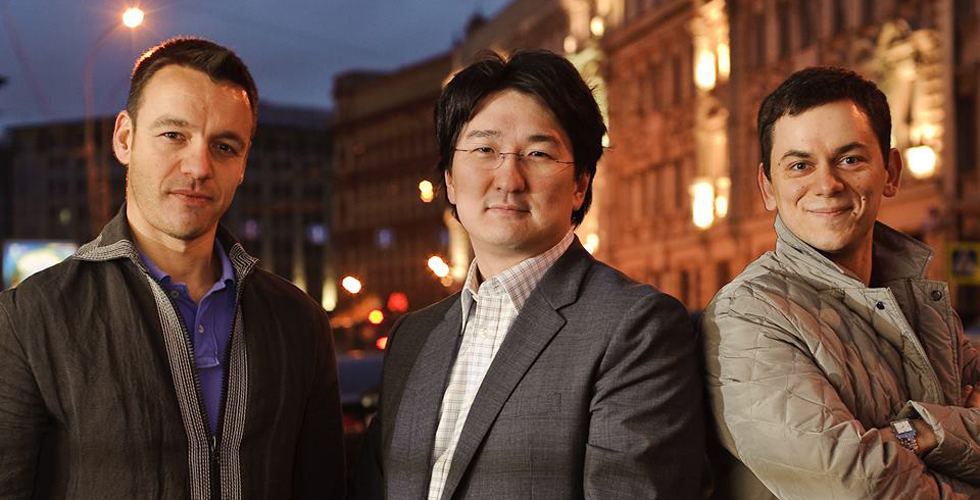
Badma Bashankaev, coloproctologist
I was born in a family of doctors: dad is a surgeon, mom is a pharmacist. After school, he first entered MGIMO, I wanted to go abroad, but six months later I threw it and entered the first honey (former Academy named after I.M. Sechenov) - that is, he took up what he was owed.
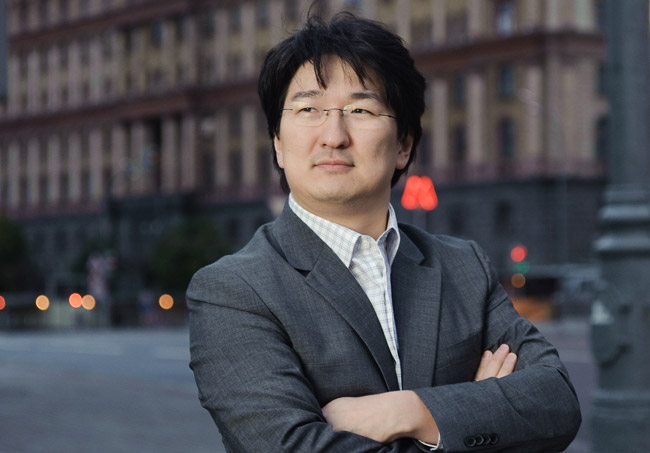 © Evgeny Gurko Badma Bashankaev
I always loved the pancreas very much: this is a large and dark area in surgery. Pancreatic diseases are treated very poorly. The doctor should be virtuoso, otherwise it will receive a bunch of relapses.
Since childhood, my close friend suffered from diabetes of the first type: this disease is not treated, in general, I caught fire: I need to help. And he began to deal with this topic. My mentor was Professor Alexander Borisovich Prayer Prayer, a wonderful person, a skilled surgeon, one of the most gambling popularizers of surgery. Scientific work ultimately led to an internship in Munich.
Six months in Germany - it was the Groschadern clinic - I participated in the transplants of pancreas from corpses to living people under the guidance of Professor Landt. Landt is one of the founders of the pancreatic transplant and kidney to patients with diabetes. We have made forty kidney transplantation and more than a dozen pancreas. We were allocated for the rooms in the hostel, which was a two hour by train. The bypass began at 7:30 in the morning. Then, in order not to get up at four, I made friends with the guys who gave me the key to the guard guard. In the gatehouse there were a toilet and hot water. The nurse of the senior department gave a mattress and a pillow. At 11-12 pm, when the work ended, I went to sleep in the gatehouse, spreading the mattress on the table - it was cold on the floor. And by seven in the morning he returned to the clinic. Sometimes I was woke up by a woman who came to vacuum the gatehouse: she came in and scared me terribly.
About how transplantation occurs. There is a European organs transplantation service. They inform the hospitals: “Motorcyclist, head, brain death, organs exist, we support life for a day, relatives do not mind, can be taken for“ disassembly ”.” And we go to the fence of the organs. First, heart transplantologists come in - they take the heart, it needs to be correctly cut off, then put in the ice and in a special solution - it does not beat there, but lies quietly, cold. Then there are liver, pulmonary lungs and kidneys. We are at the very end. We stand and wait until others come out with jars. We go, take the pancreas, our tiny piece - and with flashing lights we rush to the hospital, where the patient and his relatives are called. Sometimes they even flew by helicopter. Such an operation lasts from four to eight hours.
Having returned, I defended a diploma of the causes of surgical complications, which, after transplantation, develop in the early postoperative period. Problematic - about every fifth patient. When a person receives the organs that are most suitable for antique systems, his own immunity is pounced on someone else's and bursts or rejects the organ. At that moment, a sadly known scandal was related to the 20th hospital, where I wanted to start my career, in Russia. Transplantologists were accused of an illegal fence of organs from an almost living homeless. I am absolutely sure that it was an order. Transplantation, for example, liver costs about half a million dollars; Intermediaries send patients to Israel or Germany, receiving a lot of money, the development of transplantology in Russia was unprofitable for them.
When entering graduate school, I chose a coloproctology with my theme. By that time I had already had publications in medical journals. As a result, I submitted documents for the presidential scholarship for young scientists - for all of Russia they were given twenty pieces - and got into the scholarships. Surgeon P.V. Tsarkov, known in the field of coloproctology, advised me to go to Stephen Wexner - a man from whom I eventually studied in America, at the Cleveland Clinic, the second most important in the world. I went for six months - in the end I remained four.
I first got to America at the exchange school and then began to come on vacation. A friend of the family in which I lived was a therapist: I got a job as an apprentice and all the holidays from 6:30 to 12 in the morning went with him for examinations. So I traveled for two summers. On the third, he sent me to the surgeon. Dr. Lapalochchi worked in New York: I left five with a stream of cars from New Jersey. There he made his first appendectomy. The nurse cursed loudly, but the doctor said: “Tsyts! This is my student. ” In surgery, they are not taught differently.
Then did not come on September 11, and foreigners were treated very loyally.
What I saw in America, inquiring at Wexner, was very different from what I saw in Russia. Two different universes. A banal example is the treatment of non -specific ulcerative colitis. In Russia, this was operated as follows: the colon was not completely removed, taking two guts to the side; As a result, young people are 20 years old - namely, this age has the first peak of the disease - suffered for many years, and some all their lives have passed with two stomas to the side and a gallop. Whereas already in 1978 in England and America, another treatment was invented and accepted, part of which there was a restoration and reconstructive operation. Russian coloproctology is still not recognized abroad.
Another difference is ethical. For example, attitude to patients. In America, before entering the ward, you must definitely knock. This is respect for other people's space. When examined, it is customary to cover intimate places: you can simply imagine that you can be in place of the patient. In general, in America, everyone is taught to do as if sick - you yourself or your relative.
In Russia, graduate students are unfinished. Unfortunately, they are perceived as slaves who write the medical history, carry difficult, but they are given nothing in return. People who want to learn something are trying to find a way to go abroad.
Once we were “washed” for surgery - this is a medical slang when the doctors wash their hands before the operation - and I told Wexner that I would leave in a month. He thought and said: “And how much do you need to stay? I will give this amount, you need to work out. ” And put me on the salary of the assistant. For four years of life in America, I got a bunch of titles. He became a member of colorectal societies. I went to give lectures on world -class symposia - to China, Serbia, to Brazil.
I thought several times about staying in America. To do this, it was necessary to apply for the so -called Waver , that is, to say that Kalmykov was oppressed. My friends from Brazil did so, immediately received citizenship and remained. I did not. My parents work in Russia, and they have never oppressed them.
WEXNER is a pioneer of minimally invasive laparoscopic colorectal surgery. That is, through small holes he makes the same volume of operations as others through huge incisions. Wexner began, while still young. Now he is a little over fifty, and he has achieved everything that a colorectal surgeon in this world can achieve. He is the president of all societies. He has a very sharp mind and chic memory. He has about 15-20 people per year. I was the only one from Russia - and probably no one will be more.
I thought a lot about those guys who, at the age of 20, remain with stoma for life. I thought about tumors in which in Russia people forever bring the gut to the side. I felt that I could try to change something. Professor Tsarkov then just headed the department in the surgery at Pirogovka. Once he called me and said: “Badma, come. I need people who look in a new coloproctology in a new way. ” I was very flattering. Plus prospects: Tsarkov could lead the Research Institute of Coloproctology. NII - a megaphone for all of Russia, a horn of colroctological thought. When I saw the opportunities that opened, I decided - I need to return. In addition, my parents live in this country, they do not become younger. And I returned.
During the work in the department, we conducted six or seven schools of Russian colorectal surgery. For Russia, this was the first unique experience. Foreign lecturers came, whom I invited. It was a breakthrough. None of the domestic coloproctologists had previously managed to collect such stars in one operating room and on one rostrum. Instead of going abroad, hardly versing in medical English, the surgeons came to us to look at Live operations. We started with an audience of 150 people, and the last school has already gathered more than a thousand. New approaches in our department were introduced by default. Alas, not everyone has taken root. At the same time, in many coloproctological departments, both private and state, they still do completely crazy operations.
My head of a researcher in the Pirogov hospital was 22 thousand rubles. In America, being an assistant, I received much more. Most surgeons, on duty for 10 nights a month, receive sixty thousand - and are happy. Our working day begins at 6:30 in the morning and does not end before 9 pm. Do you know why the doctors are evil in Russia? Because they, like the postman Pechkin, do not have a bicycle. And buy them a bicycle, give me a normal salary - they bother. Just most doctors in the country are financially very bad. When you see Mercedes, parked at the door of the hospital, it becomes painfully painful. You think: "I save life and will never buy myself even" Renault "on credit?" And each patient is perceived as an insult to your high medical rank, which is mired in a swamp of dirty, irregular financial relations. You say: "We know how they bring money to them." And in fact - they bring: this is such a Russian tradition, go yet to refuse, will not understand, they will be offended deadly. But I personally think that money in an envelope is a humiliation of a surgeon. I never in my life allowed myself a questioning look at the patient, and in Russia this questioning look, alas, is common among doctors and still traffic cops.
Since an adult man in Moscow with three children cannot live 22 thousand rubles a month, I accepted an offer that was difficult to refuse. Today I am the head of the coloproctology department at the European Medical Center. I have five surgeons. I enter new standards that I demand to fulfill. They work here as in America - as I am used to.
Probably, this will sound immodest - but it turns out that I am the only coloproctologist who has received a good systematic American education. If I don’t know something, then in 30 minutes I can get a consultation of the largest specialist in any subsection of my specialty. Of course, in America, life is better and safer, but I’m going to stay here so far. Because being a reformer is interesting. And because someone owes: now, understanding the situation with coloproctology in Russia, I simply can’t leave. In any case, for now.
Sergey Morozov, radiologist
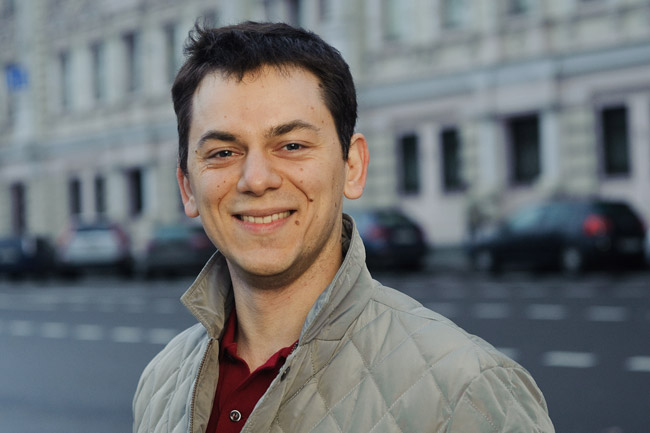 © Evgeny Gurko Sergey Morozov
Everything was predetermined for me: I, being a representative of the third generation of a family of doctors, did not think about choosing a profession. Of school friends, I was the only one who went to medical, not economic.
The textbooks of the medical institute were fundamental. After reading the American, I saw another approach. I already really liked it that they connect remote objects, for example, clinical disciplines and anatomy or biochemistry. In our first year, they teach one in the first, they say: “Forget everything that you taught in the first year,” and at the clinical departments they report: “Forget everything that you taught at the basic departments, everything is different here.” In clinics they say: generally forget the institute. I could never understand where this absurdity is born.
Then I began to read American textbooks. In the 4th year, he went to the academician of the Ternovoy, the “founding father” of tomography in Russia-he advised to engage in the functional magnetic resonance tomography of the brain. So I came to radiation diagnostics. I then deal with the diagnosis of molecular, I think I would not live in Russia: these specialists are too popular there, and we have almost nothing to do.
Having sent Mails to a Western scientist, I asked for copies of publications. I was surprised that they sent everything immediately - and I really liked it. Then I felt like part of the world scientific community.
I say the same thing to all students now: look for the possibilities of internships. Since you need to study today abroad. Finding an opportunity is easy - you just need to really want. I trained in Norway, in the States, Italy and in Austria. When he studied at graduate school, cooperation of the Moscow Medical Academy and Harvard University began. Given the fact that I seriously advanced in science, Vice -Rector Sergey Vitalievich Grachev suggested that I go to Harvard. I was interested not so much the loud name of the university as its possibility.
In America, he was struck by many things to the core. One of my favorite examples: in American (as well as European) hospitals, there are dispensers with an antiseptic before entering the wards. Students, residents, professors, before entering the ward, press the button and wipe their hands. In Russia, it was always amazed that doctors go to the ward to one patient, touch him, look, listen, then go to the ward to another, and touch it again. But the main source of infection is unwashed hands. The second - no one goes there in the shoe covers there. This is also atavism. Let's wash the floor more often? In Russia, household issues are resolved very poorly.
Even in America, I was impressed by the solution of organizational issues. In Russia, throughout the 20th century, they are accustomed to treat medicine as disasters and wars medicine. When the imagination is drawn by a surgeon leaving the operating room wiping sweat from his forehead and speaker: "He will live." So today medicine is different. The point is not for the patient to live, but that he lives well. Medicine went forward - and we are behind in Russia. Today we will not just save the patient’s life at the cost of loss of some functions and the occurrence of disability. And we will save life, preserving its good quality. That's what is the main thing today.
In Russia, unfortunately, in the center of interests of a doctor is not a patient, but responsibility to the leadership. There is even a joke on this subject: “Doctor, do you have in the hospital that patients are dying? “Well, what are you, they scold us so for it.” Values are shifted, doctors are concerned about how to report to the leadership so that they do not reduce the salary and do not deprive the bonus. The healthcare system is not engaged in professional managers, but functionaries who do not understand the specifics of the doctor.
Even in Russia, doctors perform the functions of average medical personnel. The doctor should think that he has sterile instruments - and this is not a doctor's concern. Abroad, the average medical personnel are one of the strongest dehumes. X-ray laboratory assistants and nurses hold their conferences and learn something all the time. There are even associations of medical engineers. Doctors do everything with us. By the way, this happens not only in medicine, but also in other sectors of the economy: when there is a chief engineer, but there is no person who can cut out the part.
Harvard was very useful: there I went through the Clinical Effectivence program, studied how to organize operating processes in clinical medicine so that it would benefit and be effective. We subsequently launched a similar program with the participation of professors from Harvard in Russia.
I received a master's degree in the field of public health - this, in fact, is health medicine. My colleagues and friends recently began to read the course on the effectiveness of clinical medicine in Russia. Now we conduct lecture cycles a couple of times a year, we talk about the principles of organizing world medical science. I do not consider medicine in isolation from management. For me, medicine and healthcare are inseparable things. We have a huge number of very good doctors, but we do not have a normal, civilized system and culture of health care.
After the reports, they made me compliments: "And you are an adequate doctor." This is what Russia has an assessment in Russia. At the same time, the essence is absolutely true - it is difficult to find Russian doctors speaking in the language of modern world science.
Since 2007, I have been headed by the department of X -ray diagnostics and tomography of the Central Design Bureau. Today there are five main methods of radiation diagnostics: radiography, computed tomography, magnetic resonance imaging, radionuclide diagnostic methods (including positron emission tomography, PET) and, finally, ultrasonic diagnostics. Equipment is required everywhere. In Russia today there are no problems with equipment: except that it is more budgetary funds for it than it actually stands, judging by the publications in the media. In Russia, about 60 percent of all studies are radiography and ultrasound: that is, as in the 80s of the last century in Europe. Abroad, half of all studies are computed and magnetic resonance imaging, and we have only 15 percent. Nevertheless, several years ago, computer tomographs were generally 600 throughout Russia, and now almost 2000.
The Ministry of Health and other departments purchase a lot of equipment, but at the same time it is distributed unevenly, concentrated in large centers: somewhere thick, and somewhere empty. К сожалению, абсолютно отсутствуют отечественные производители. Но главная проблема — нехватка врачей и среднего медицинского персонала. Классическая ситуация: томограф простоял год, вышел из строя, а исследований на нем так и не было сделано, потому что специалистов не удалось найти. Бывало так, что российские больницы просили нас принимать по электронной почте и интерпретировать выполненные у них исследования. Поскольку машины там есть и на кнопку кто-то нажать может — а расшифровать уже не по силам.
Поехав в Гарвард, я, конечно, подумывал о том, чтобы остаться. Мне очень нравится, как организована медицина за рубежом, хоть там и есть недостатки — американская система, например, перегружена деньгами, нигде в мире в здравоохранение не вкладывается столько, сколько в США, около 15—16 процентов ВВП. Конечно, врачи получают огромные зарплаты — зато существует громадный разрыв между самыми богатыми и самыми бедными, с чем сейчас и борется Обама. Закон, который он предложил и который критикует Ромни, состоит в том, чтобы медицина стала более доступной для бедных. То есть перераспределяет общественные блага. Если в США человек не имеет работы, он находится в полном отрыве от систем здравоохранения. Система несоциальна, хочешь хорошую медицину — зарабатывай. В Великобритании система очень интересная: там все четко структурировано и организовано, расходы на здравоохранение соотнесены с эффективностью. Но возникает другая проблема — сроки ожидания. То есть «несрочные» пациенты ждут КТ с МРТ месяцами. Человек получит свою медицинскую помощь высочайшего уровня — но только по очереди, после «срочных». А мы привыкли, чтобы все было быстро. Мы воспринимаем медицину как сферу услуг, что неправильно: услуга не является жизненной необходимостью, а вот право на жизнь и здоровье закреплено Конституцией.
Все преимущества быть врачом за рубежом мне известны. Но деньги для меня — не главная цель. То есть они должны быть как средство поддержания определенного уровня жизни. Но мне нравится, когда есть возможность самореализоваться и что-то улучшать там, где живешь.
Мой отец много работал и работает в сфере здравоохранения. Не могу сказать, что наши взгляды одинаковы: у него талант находить и привлекать специалистов высочайшего уровня, создавать благоприятную рабочую обстановку. Меня, наверное, больше интересуют внутрисистемные механизмы, принципы и стандарты в медицине. Хочу построить правильную систему в своей специальности и научить других. Так что вопрос «бросить все и уехать» не стоит. Да, у нас есть огромное количество минусов, но можно, имея западный опыт, поменять многие минусы на плюсы.
Владимир Носов, онкогинеколог
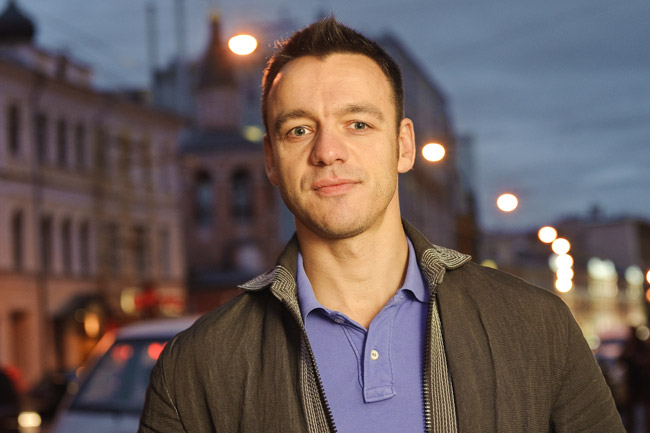 © Евгений Гурко Владимир Носов
В детстве, подравшись с братом, я попал в больницу с кистой в верхней челюсти: положили в больницу, все осложнилось сепсисом, пятичасовая операция в десять лет, неделя в реанимации, три в стационаре. В итоге вместо ненависти к больнице возник дикий интерес — тогда я и решил, что пойду в медицину.
За шесть лет обучения в Первом меде у меня никогда не было четверок — все получалось само собой, я не предпринимал титанических усилий. На 4-м курсе я решил пойти в акушерство и гинекологию. В этой области сочеталось все, что нравилось мне в медицине, — экстренная хирургия, лапароскопия, ультразвук, эндокринология. Несколько раз оказавшись в экстренных ситуациях, я понял, что меня не парализует, мозги работают хорошо и мне нравится через стучащее сердце и зудящие виски хладнокровно принимать решения.
На 6-м курсе я получил президентскую стипендию и выбрал Йельский университет. Мне уже тогда было понятно, что американская медицина впереди планеты всей. Заведующего отделением звали смешным именем — Фредерик Нафтолин, он стал моим научным руководителем и ментором. В Йель я поехал на девять месяцев. Я был первым русским в этом отделении — до меня из России не приезжал никто.
В Америке поражало практически все. От внешнего вида госпиталя — палаты для рожениц впечатляли необыкновенно — до мастерски составленных обучающих конференций для ординаторов раз в неделю. Поражала самостоятельность ординаторов, выполняющих сложные операции и принимающих ответственность за свои решения — это было невозможно представить в России, где за два года ординатуры можно было не сделать ни одной операции. В Москве на ночном дежурстве я как-то попросил хирурга: «Возьмите меня в операционную». Он ответил: «А зачем я тебя буду учить, мне за это денег не платят». В общем, я все для себя решил. И, вернувшись в московскую ординатуру, сдал два оставшихся экзамена, чтобы поступить в резидентуру Йельского университета. Обучение продлилось пять лет.
«Актуальная тема — ранняя диагностика рака яичников», — сказал мне профессор Нафтолин. Я тогда подумал: «Рак? Не мое». Но заинтересовался. So it all started. На первом году резидентуры понял, что в онкогинекологии — самые сложные операции, самые экстренные ситуации, самые тяжелые больные. Сомнение вызывало только напряжение, связанное с этой работой, и до чего оно доводило людей. Все онкогинекологи, которых я видел, были нервными и неуравновешенными, поскольку работали сутками, перечеркивая всю личную жизнь. Однажды, в начале резидентуры, я со всего маху получил пинцетом по руке только потому, что хирургу за моим крючком чего-то не было видно. Другой хирург периодически дрался с медсестрами и колошматил стойки с инструментами: его сразу отправляли в отпуск, он ехал в Канаду, убивал там лося, возвращался шелковый, некоторое время улыбался, потом темп опять начинает нарастать — и снова перевернутые стойки. Мне не хотелось становиться таким.
После резидентуры я прошел fellowship в Калифорнии — это была трехлетняя программа. В ней приобретаются уникальные навыки: за три года я выполнил 900 операций, получил опыт проведения химиотерапии и уникальные знания по тактике ведения онкологических больных.
Год президентской стипендии, пять лет резидентуры и три года fellowship — в общей сложности я провел в Америке девять лет.
В процессе возникали предложения работы. Но после сдачи национальных сертификационных экзаменов («бордов») я понял: это открытый мост, по которому можно в любое время пройти в обратном направлении. То есть я всегда могу вернуться в Америку, хоть сегодня, хоть завтра. А в России ниша практически свободна. Есть небольшое количество специалистов в нашей узкой области — и все. И тогда я подумал, что здесь можно много чего создать. Приехал с иллюзией, что люди расступятся, примут меня в сообщество и захотят перенять мой опыт. В Америке есть отлаженная структура, есть система образования резидентов и fellows . В России нет ничего подобного: два года ординатуры — ничтожно мало. Мне казалось, что приехать домой и наладить систему образования будет подвижничеством.
Главный акушер-гинеколог России Лейла Адамян всячески поддержала мои начинания и очень помогла и советом, и делом (и продолжает во всем помогать), практически сразу после приезда в Россию взяла ассистентом к себе на кафедру. Но проблем все равно было достаточно: чтобы получить российские сертификаты, мне пришлось долго доказывать в Росздравнадзоре, что образование Йельского и Калифорнийского университетов не хуже отечественного. Когда я наконец получил долгожданные сертификаты, с которыми мог заниматься клинической практикой, начался тернистый путь. Оперируя, я путешествовал по нескольким кафедральным больницам, и еще была одна частная клиника, где я мог вести прием. Зарплата у меня была кафедральная — 12 000 рублей в месяц. Я жил в родительской квартире, не тратя деньги на еду. Мне был 31 год.
Вскоре мне предложили возглавить новое отделение онкогинекологии, которое открылось в Научном центре акушерства, гинекологии и перинатологии. Я согласился, думая: «Вот сейчас-то все и начнется». Но снова — не совсем так. Тут же возникла сумасшедшая резистентность со стороны онкологического сообщества. Несколько ведущих онкологов страны возмутились: что еще за онкологическое отделение в центре акушерства и гинекологии? С моей стороны никакой конфронтации не было — я просто хотел создать что-то полезное с чистого листа. Я руководствовался своими навыками, чутьем, добрым советом своего учителя Лейлы Адамян и знаниями, а еще доказательной медициной — это мне казалось достаточным.
Онкологическая картина, с которой я столкнулся в России, поначалу меня несколько обескуражила. Расстраивал, например, факт, что часто в диспансерах до сих пор рак яичников лечат по стандартам 1995 года препаратами цисплатин и циклофосфан, которые давно уже показали свою низкую эффективность и высокую токсичность. Хотя есть другая схема, принятая во всем мире как золотой стандарт: в городских диспансерах ее предлагают редко. Ну и, конечно, страшила человеческая участь онкологических больных: в России онкологические учреждения перегружены пациентами, очереди, у врача мало времени чтобы что-то объяснять и рассказывать, а больные вынуждены ходить кругами в поисках ответов и часто чувствуют себя обреченными.
Работая заведующим отделения, я окунулся в бюрократию: я вынужден был писать кучу служебок, например, чтобы получить щеточки для цитологического мазка. Говорили: «Пока их нет» — и приходилось какими-то подручными средствами пользоваться. Большая часть работы сводилась к придумыванию того, как сделать высокотехнологичные вещи дешево и на коленке, к постоянной экономии и ограничениям, когда нельзя просить инструмент, понимая, что тогда можешь не получить его на более важную операцию.
С медицинской точки зрения, я очень постарался хотя бы на уровне нового отделения ввести несколько вещей: в частности, у нас в России не очень широко представлена органосохраняющая хирургия при онкологических заболеваниях — когда при раке удаляются не все органы; молодым женщинам, у которых пока нет детей, можно сохранить часть репродуктивной системы, чтобы у них был шанс выносить и родить ребенка. Этим пока что занимаются лишь нескольких ведущих онкологических центров. Лапароскопия в онкогинекологии тоже представлена далеко не повсеместно: очень многие старые онкологи до сих пор считают, что онкологическое заболевание есть противопоказание для проведения лапароскопической операции, что лапароскопия не позволяет удалить все необходимое в достаточном объеме и способствует распространению заболевания. И это является уделом лишь пары ведущих онкологических центров. Пока эти мифы живут в нашей медицине, мы отстаем, так как весь мир мир перешел на новые лапароскопические операции 15 лет назад. С 2006 года в западных странах практикуют внутрибрюшинную химиотерапию при раке яичников: когда часть вводится в вену, а еще часть — непосредственно в брюшную полость, где заболевание располагается. При такой химиотерапии люди имеют гораздо больше шансов на излечение, но лично я не знаю ни одного госпиталя в Москве, который при раке яичников по мировым протоколам занимается внутрибрюшинной химиотерапией.
С Центром акушерства и гинекологии в итоге у меня не заладилось: ожидалось, что я буду ходить по онкодиспансерам и оставлять визитки, чтобы больных потом посылали ко мне оперироваться. Но я, к сожалению, умею оперировать и лечить, но совершенно не умею себя продавать. Также начальство было не очень довольно моими ранними выписками пациентов. В России есть такое понятие, как «оборот койки», — в идеале койка должна быть заполнена 365 дней в году, чтобы не было простоя. Наши койки работали гораздо меньше: я никого не держал 10—12 дней, всех выписывал на третьи-четвертые сутки. Когда больной начинает ходить, есть, пить и действуют обезболивающие таблетки — он может быть дома, где риск госпитальной инфекции гораздо меньше. За успешностью или уникальностью операций, которые мы проводили, никто особо не следил. В итоге я написал заявление об уходе.
В Америке ни врач, ни пациент не видят никаких наличных денег: все оплачивается страховыми компаниями. А здесь больные все время чувствуют потребность отблагодарить врача и несут коньяки и водки. Я не пью крепких напитков — но до сих пор два шкафа стоят набитые. Не понимаю такого подхода и каждый раз чувствую себя неудобно, но это дежурная благодарность в России, люди обижаются, если не берешь эти «сувениры».
Мысли об Америке периодически возникали: а не бросить ли все к черту и не вернуться ли обратно? Останавливало лишь то, что я уже назвался груздем и не уважал бы себя, свернув на полпути. Поэтому, пока не дойду до какого-то собственного предела, не смогу никуда уехать.
Недавно я пришел работать в частную медицинскую клинику заведующим отделением гинекологии и онкогинекологии. С некоторыми врачами — например, Бадмой Башанкаевым — мы заканчивали один научный факультет: мы оба учились и работали в Америке, у нас похожие истории жизни и образ мыслей.
Я чувствую себя реформатором. Но думать об изменениях в масштабе страны пока рановато. Сегодня изменения возможны в рамках конкретного учреждения, где собираются энтузиасты, которые ценят технологии и образование. А в рамках страны — невозможны: начинать ломать систему нужно с покупных экзаменов в институтах.
Пока я работал в госучреждении, все время чувствовал конфликт «западников» и традиционной советской школы: было много коллег, желающих все мои решения назвать неправильными. Теперь, даже если этот конфликт есть, меня он больше не затрагивает напрямую. Я практикую доказательную медицину. Всегда есть научный источник, к которому можно обратиться. Многие же российские врачи обращаются к учебникам двадцатилетней давности, поскольку часто просто не знают английского, фразы «а меня так учили» или «мне кажется, так должно сработать» — не убедительные аргументы. Справедливости ради надо сказать, что есть в России грамотные, читающие и прогрессивные специалисты и хирурги в моей специальности, но их пока, к сожалению, единицы. Есть и менторы — опытные и открытые люди, к которым всегда можно придти за советом, но каждому начинающему врачу не так просто найти такого человека. I was lucky.
Сейчас конфликт научных и клинических школ для меня нивелировался: мне не приходится доказывать свою тактику тому, кто априори настроен против нее. И это — глоток воздуха. Если все будет развиваться по такому сценарию, никуда уезжать я не буду.