
Translated material
Almost Soviet elections
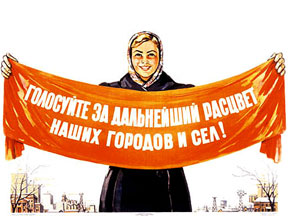
The latest electoral campaigns demonstrated all the meaninglessness of the electoral process in its Russian version. Nobody needs it, but exists. In fact, we have the same elections as under Stalin. Adjusted to relative competitiveness, but in the end, no one needs it.
The regional elections on October 14, which turned out to be a triumph for the authorities and a complete defeat of literally the entire opposition, is simply forced to think - but what kind of “Russian elections” are this? Why was it?
Two things are obvious: a) the elections were cut by the authorities of different levels due to the low turnout and b) the turnout in the governor’s elections was higher than the appearance in the elections to regional parliaments, and that, in turn, was higher than the municipal elections, with rare exceptions. This is regarding the texture. As for the essential side of the process, it is more difficult.
In the elections, as the same turnout shows and other, none of the authors of the process are interested. Neither the authorities that have re -elected everywhere, no other opposition competing with them, nor business, or even, which at first glance is amazing, the voter. It is clear about the authorities that they should not like the idea of democracy. About the Russian opposition, it is also said enough, exactly like about the specific interest of business in political processes. With the lack of interest, voters are a little more complicated.
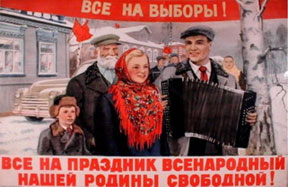 Previous poster
By logic in what elections should the voter vote are most actively? On those on which his immediate life depends - roads, kindergartens, a park near the house. Well, that is, for municipal mainly authorities. But it turns out that the only popular elections in Russia are presidential elections and State Duma.
These elections in the new Russia are always held in the form of plebiscites: a fake but formidable agenda is imposed on the voter, a fake threat is demonstrated and it is reported that the only protection against this threat (Communists, Chechens, Shakals among the embassies and the enemies of Putin's stability) is to prolong the powers of existing comrades for the next few years. The script works more or less regularly and with the help of other administrative technologies guarantees the preservation of the ruling elite in power over the past two decades.
However, all the elections, even to the presidential, are quite little confidence in Russians. The number of those who believe that by means of elections you can change something, according to polls, significantly below half (frank optimists-15-20 percent), but skeptics are more than forty percent. The elections do not give the legitimacy of the authorities, they are extremely ritual and do not correspond to the idea of “the people present the mandate to their representatives”, or even the idea “The regime through falsified elections legitimizes their right to carry out repression”.
Functionally, the elections are essentially meaningless. Meanwhile, at some period of time, Russian and Soviet still spends plebiscites for some reason. Since the time of Stalin, it happened - once every few years, the authorities pretend that it was elected, people pretend that they choose power. Nobody believed in this then, does not believe now, but the action is invariably repeated.
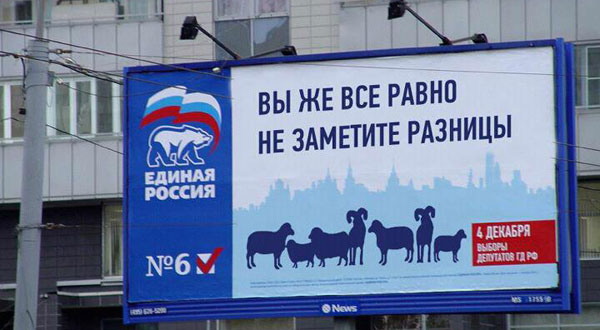 Billboard. Photo: gpredictor.livejournal.com
Modern Russian elections in this sense are not much different from Stalin or Brezhnev. The relative competitiveness and lack of fear for life and well-being, due to “incorrect” voting, of course, distinguishes the current elections and does not give the authorities the result in “99.8 percent” nowhere, except for the North Caucasus. But the rest of the procedure is about the same degree of meaningfulness: not programs or even candidates are selected, the authorities are selected. And it’s not even quite chosen, since the result is programmed in advance.
Excesses such as the election of “wrong” are rather deviation for Soviet and Russian electoral behaviors. Therefore, representatives of the authorities so sharply react to almost any failure in the elections, canceling the results, starting to put pressure on the winning candidate or arranging absolutely crazy falsifications bordering on obvious lawlessness.
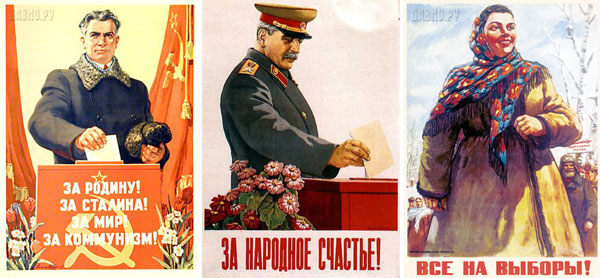 Soviet posters. Site: Davno.ru
In this sense, the elections are not entirely Stalin, although under Stalin some torn voters “voted”, say, entering the name of Zhukov into the ballot. The reaction, by the way, is exactly the same as the unknown voter, who wrote in the State Duma electionsan obscene comment on the current president of Russia directly on the balloon.
Why choose the chairman of the regional executive committee? Maybe it is better to appoint it? Well, or you can, as it were, choose it from two deputies and the secretary of the regional committee. In this logic, it seems, the great authorities and the citizens themselves think.
Perhaps the organization is distinguished by the organization from the old-like Soviet elections. Sands with scarce caviar and sausage are no longer given in the areas, probably due to the lack of a deficit for these goods. However, the rest is full of the USSR - here you are voting with the whole team, and planned demonstrations for the glory of the ruling regime on the eve of the elections, and an almost real Secretary General with an almost natural Politburo . And the elections are exactly the same meaningless for the authorities and the voter and almost non -alternative.