
Translated material
The government will not be able to reduce the costs of housing and communal services in family budgets to 7%
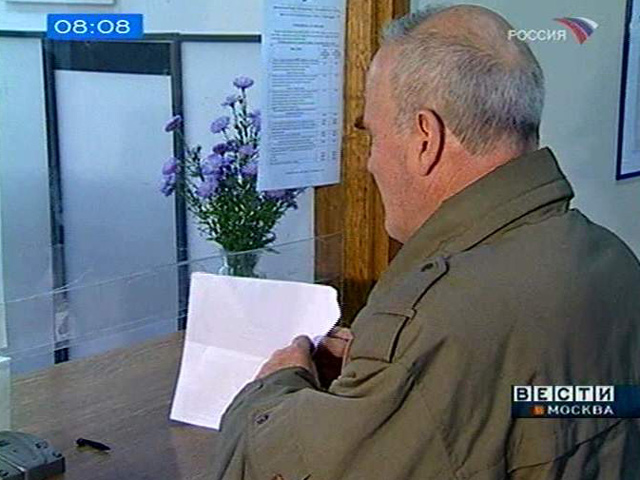
The government assumes that the share of expenses for the payment of housing and communal services in households in 2015 will be no more than 12%, and in 2017-2020 no more than 11%. Such goals are declared in the project of the state program "Providing quality housing and services of the housing and communal services of the Russian population" for 2013-2020.
According to Gazeta.Ru , quoting the document, the state of the industry does not allow to provide tariffs acceptable to citizens: at least a third of communications requires replacement, the loss of resources is huge, it was not possible to attract investors to the sector.
Earlier, the Ministry of Regional Development counted on the achievement of 7%by 2020, it was laid in the draft of the same state program for 2012-2020. The same document stated that by 2020, the share of families receiving subsidies should not be more than 15%.
The costs of paying for housing and communal services in the family budget in 2011 were an average of 7%, in 2012 8.5%are expected, and in 2013 - 9.5%, the project was indicated. But according to the “Finspertiza”, the average expenses of Russians to pay for housing and communal services in 2011 - 10.9% of the budget.
Amur (15.7%), Ivanovo (14.9%) and Moscow regions (14.6%) spend most of all . The least of all for payment for the services of housing and communal services is spent by residents of Chechnya (2.8%), Dagestan (6.5%) and Ingushetia (7.2%). In Moscow - 10.7%.
The condition of the Russian housing and communal services is unsatisfactory and does not allow guaranteeing a sharp decrease in tariffs - fixed assets wear out, the accident rate is growing, a significant amount of resources is lost. In particular, the volume of water leakage is estimated at 21%, heat loss - at 11% of the supply. Resources expenses at enterprises and housing and communal services networks by 25-30%, and sometimes 50% higher than European, the project of the state program says.
Replacements require 28% of heating systems, 41% - water supply, 38% - sewer. In the current state of the housing and communal services areas, it is impossible to provide tariffs acceptable to citizens, it is noted in the project.
You can limit tariffs with the help of mass capital repair of housing, including at the expense of the residents themselves. As ways to attract money, the authors of the document propose to establish a system of bank lending and mechanisms of state support for "initiative homeowners" and management companies.
In parallel, the government intends to force citizens to save resources. So, in 2013-2020, water consumption by the population and budget organizations should decrease by 10%, in 2016-2017-by another 6.5%, in 2018-2020-by 6.5%.
To stimulate saving and reducing the volume of cross -subsidies, it is supposed to introduce a social norm to the services of housing and communal services - an increased tariff will be charged in excess of it. Since 2013, such a system will operate in pilot regions for electricity; since 2014, the rules will become mandatory throughout the country. For water supply and drainage, this principle will enter into force in 2015.
Earlier, the results of the monitoring of the Public Chamber showed that the tariffs increased by 10% more in the regions than planned , and the rent instead of the planned 15% can grow from September 1 by 25%.
In 2012, as previously announced, gas price should increase by 15%, water and heat supply services - by 12.4%, electricity - by 6%, and the tariff for garbage collection is set by municipalities.
Management companies in many regions took advantage of the total increase in tariffs to “put” the price of the maintenance of the houses themselves, showed the results of monitoring OP.
As a result, after the second increase (for the first time, tariffs were raised from July 1, the second time they will grow from September 1) instead of the planned 15% in many regions, the rent may jump up to 25%.