
Translated material
Twelve kilometers to memory
It was on the twelfth kilometer of the Moscow tract (Yekaterinburg) that the memorial cemetery of victims of political repression is located, where the memory of more than 18,000 citizens who died during the mass repressions of the 30-50s of the 20th century is immortal.
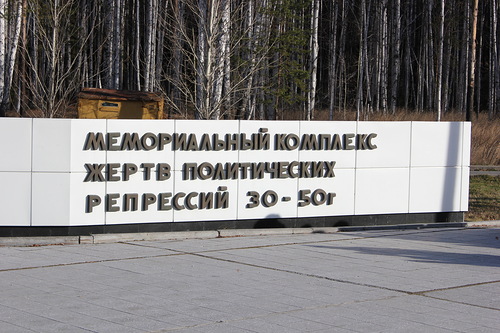
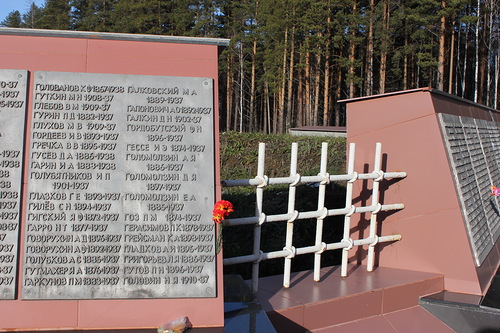
This place has long been not only a place of worship, a place of memory, but also a place of administrative, often formal, awareness of history, when budget articles, efforts of official structures are spent on a simple stamping of events.
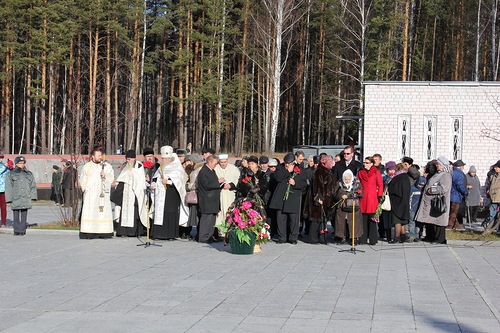
In the photo: On the eve of the International Day of In memory of the victims of political repressions (celebrated on October 30), a rally of Office on 10/28/12 was held.
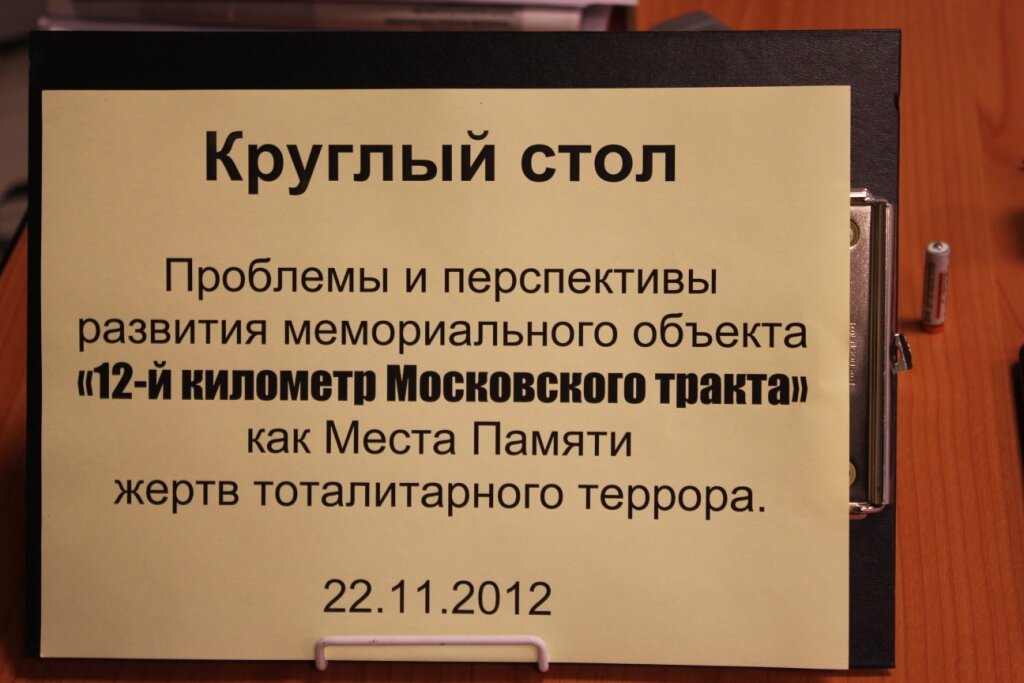
How to change the situation, how to make a prolongation place from a memorable and dramatic place, which should teach the younger generations. The problems of the educational and educational purpose of this place were devoted to a round table "Problems and prospects for the development of the memorial facility" 12th kilometer of the Moscow tract "as the place of memory of the victims of the totalitarian regime". The rounded table was held at the initiative of the Yekaterinburg Society "Memorial". Representatives of public organizations, the apparatus of the Commissioner for Human Rights of the Sverdlovsk Region, the Ural Federal University, the Ural Law Institute of the Ministry of Internal Affairs, the State Archive of the Sverdlovsk Region, Galerists, entrepreneurs and ordinary citizens took part in the round table.
During the round table, it was described about the program "Bitter Memory of the Urals", which, as excursion and educational, is designed mainly for school students and works with the support of private business (philanthropy), proposed modifications of this program. One of the performers of this cycle of excursions Oksana Ivanova proposed creating not just a series of excursions to the 12 kilometer memorial, but to create a mobile auto exhibition, which could be moved to various settlements of the Urals, telling about bitter pages of history, entrepreneur Pavel Podkorytov supplemented the project by the idea of creating an interactive exhibition hall. 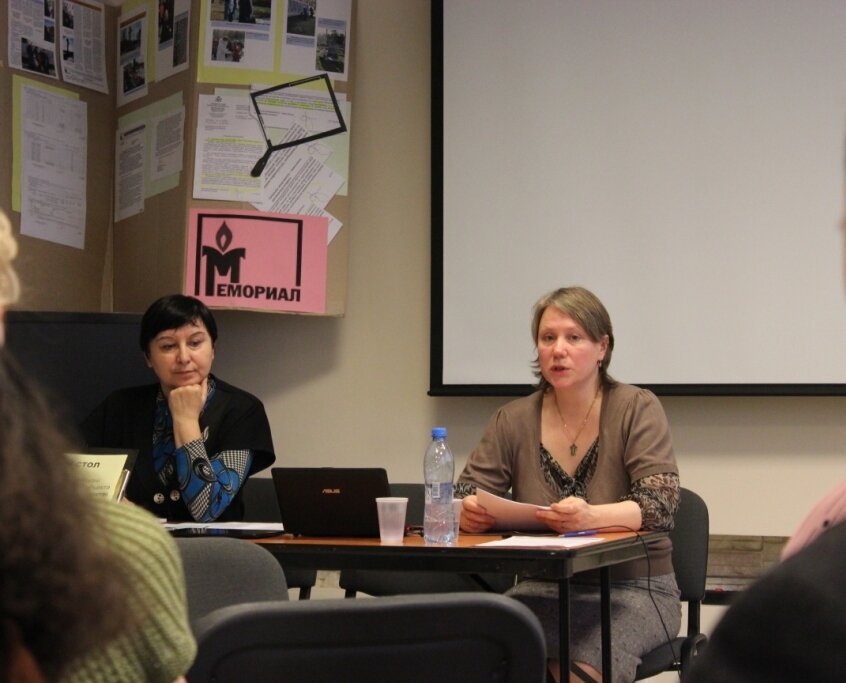
In the photo: Oksana Ivanava talks about the program "Bitter Memory of the Urals" 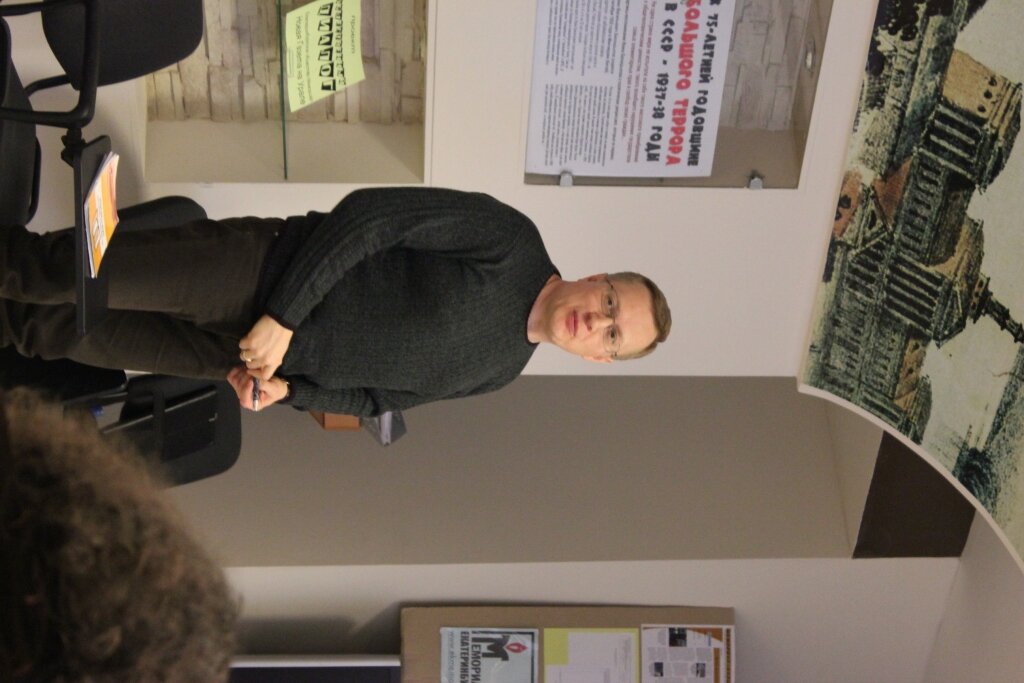
In the photo: Pavel Podkorytov.
Discussions of excursions and thematic educational events, somehow suddenly faded into the background, when Rafail Iskhakov drew the attention of the gathered on the legal status of this place - a cemetery, which does not have the official status of a history monument, therefore, conducting mass events, including excursion events in this place, can be challenged by the descendants of the buried people, and the buildings that are here do not provide for historical excursions. In accordance with the legislation on funeral business, the security time for burials is 75 years, which in the case of 12 kilometers will soon expire. 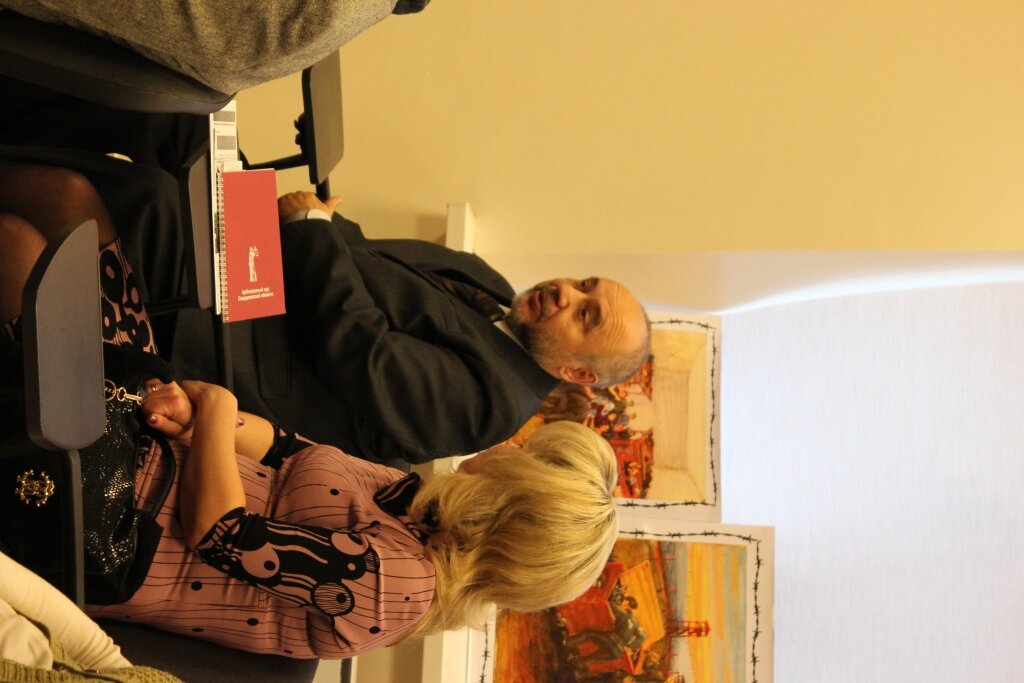
To prove his words, R. Iskhakov provided an extract from the registry, where these lands are assigned to the ANTP "Plant of Specialized Services".
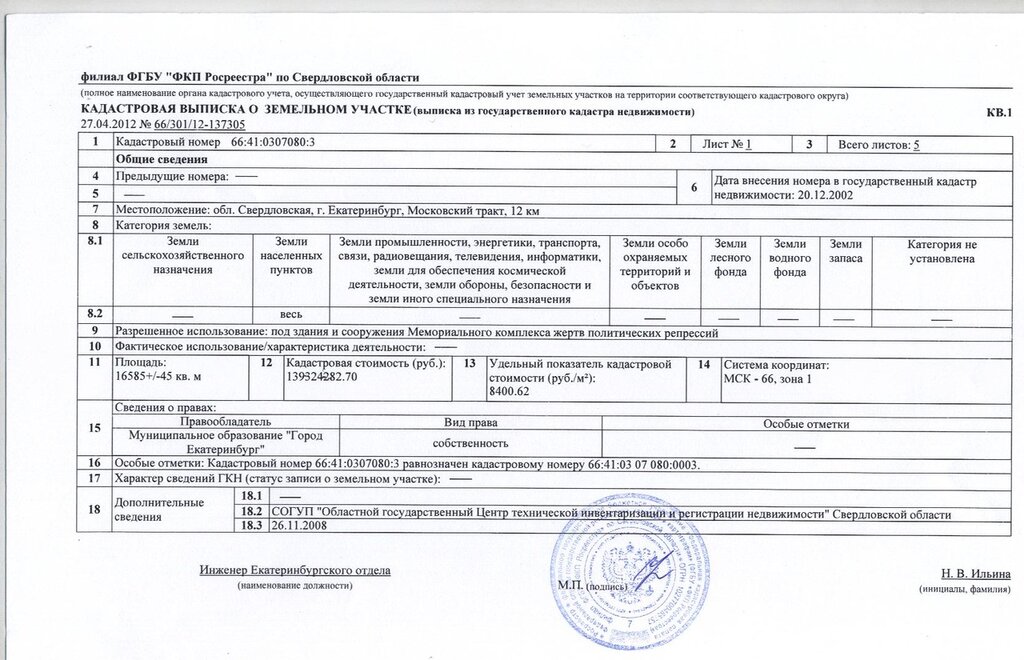
Questions arise not only on the legal status of this land plot, but also on the budgetary funds that are spent by the administration of the city of Yekaterinburg, first on the construction of a nobleman (where there is no exhibition-museum structure), then for the maintenance and development of the complex itself. 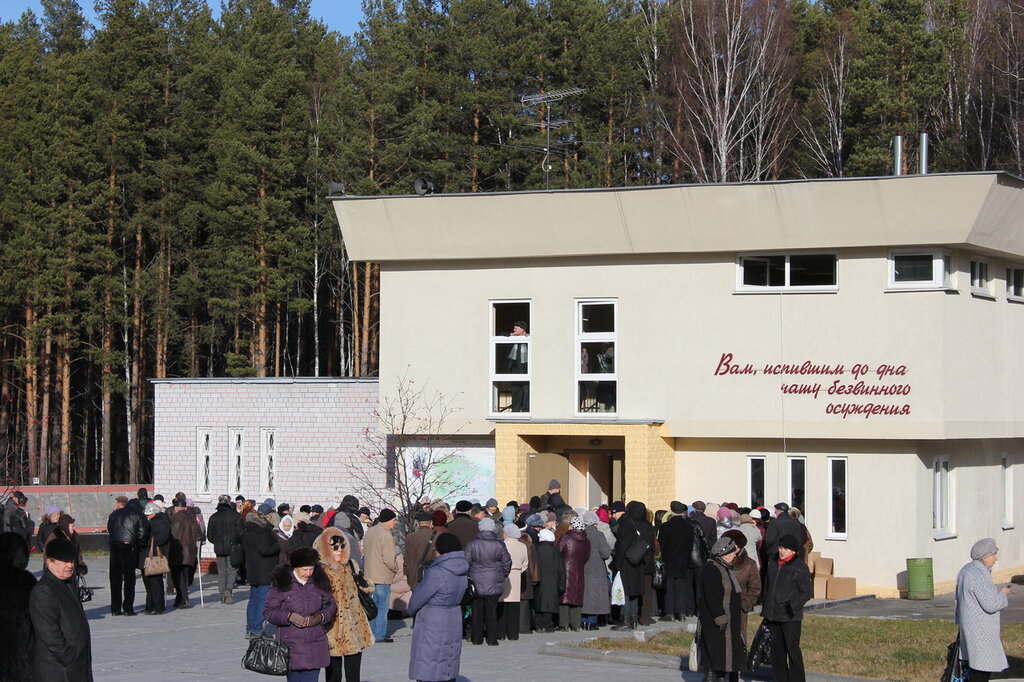
In the photo: a building that is unsuitable for exhibition activities, it is located at 18 sq.m. Exposition of a small number of artifacts and photocopies of documents and photographs.
I think that the issues are not only fair, but also appropriate, to check the expenditure of funds. The place itself is little adapted for visiting, since there is no transport message with Yekaterinburg, there are no equipped pedestrian crossings. A person who came here on a way to catch a car in the opposite direction is forced to go a few kilometers to cross a busy federal highway.
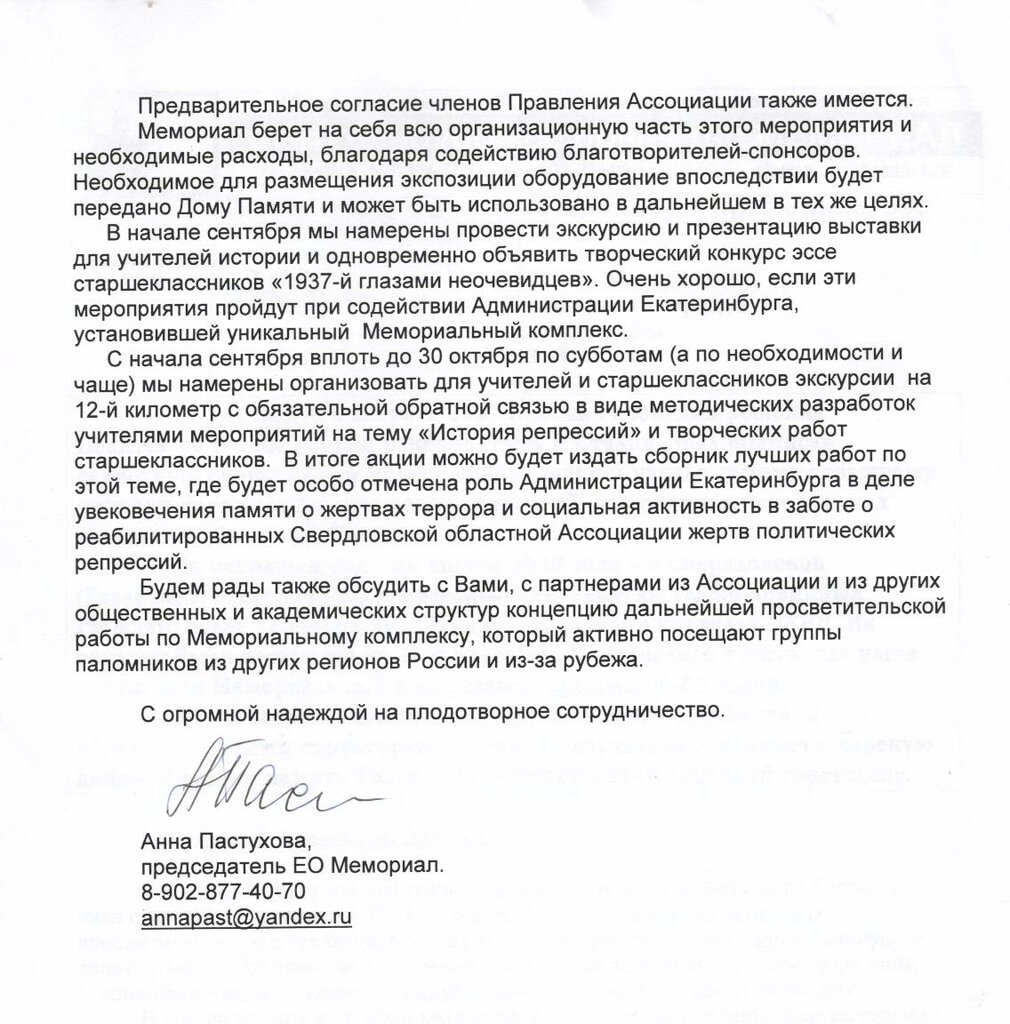
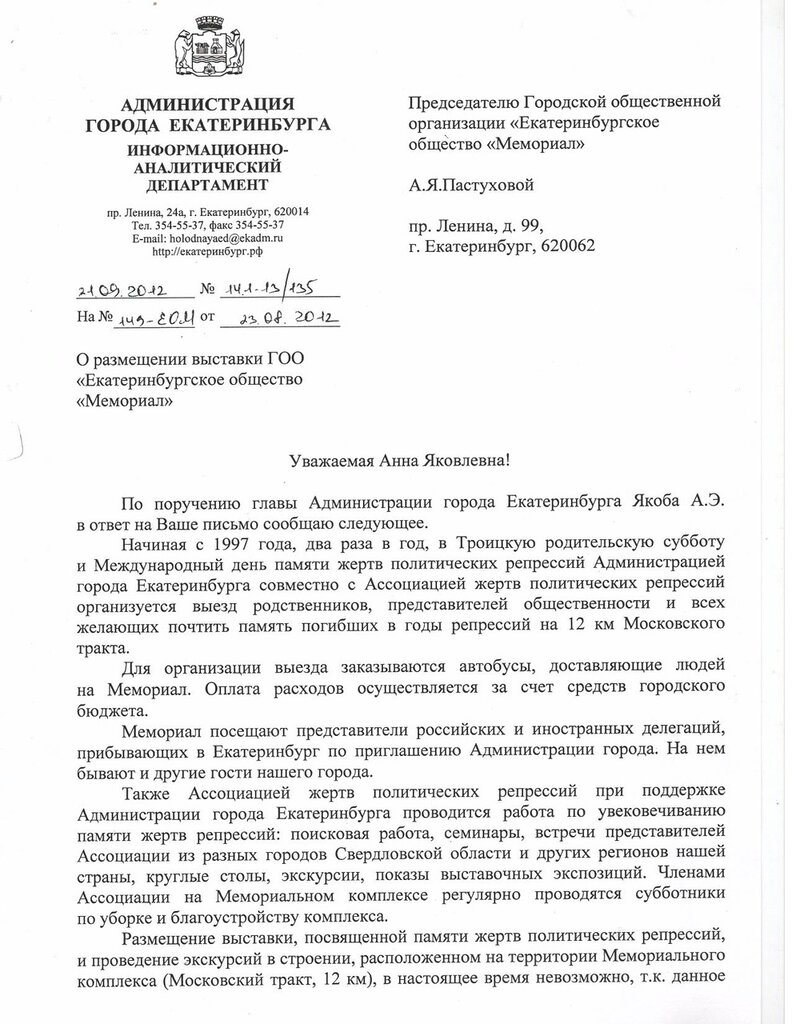
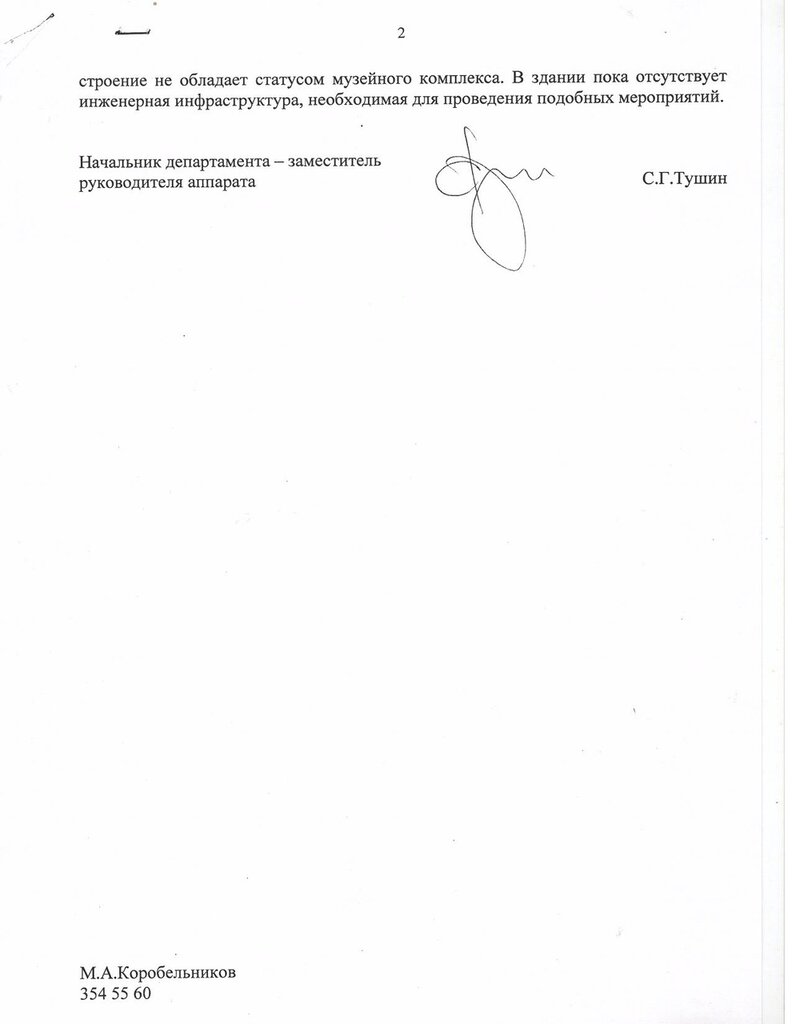
On the round table, the correspondence of the Yekaterinburg Society "Memorial" with the administration of the city of Yekaterinburg was widespread. 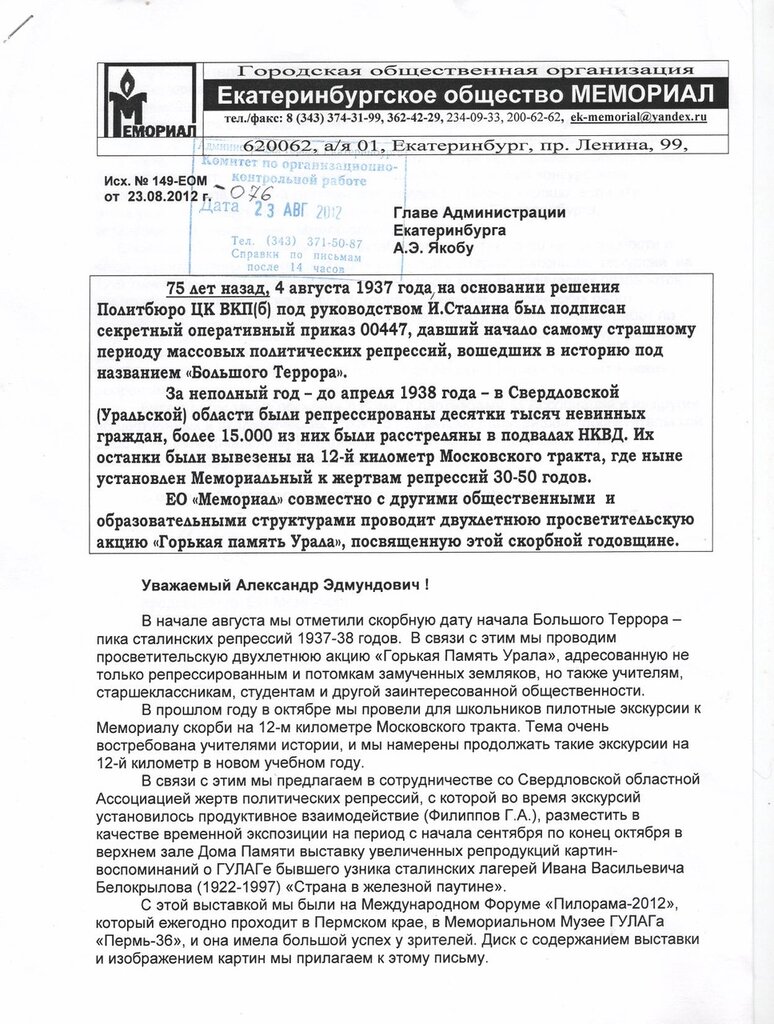
The result of the meeting of the Blood Pages of the History of the Urals who is not indifferent to the problem of the bloody pages of the History of the Urals was the appeal to the Commissioner for Human Rights of the Sverdlovsk Region Tserzlyakova with a proposal to collect interested parties from official structures and public movements to determine the legal status of the complex and develop research and educational programs to cover the period of repressions.
Whether the power of Yekaterinburg, other officials will be able to go through these twelve kilometers before the creation of a non -memorial for reports, but the historical memorial complex, will tell the near future.