Date
Author
Кирилл Кобрин; Люба Кузовникова
Source

Preserved copy
Translated material
Europe on the edge of the world
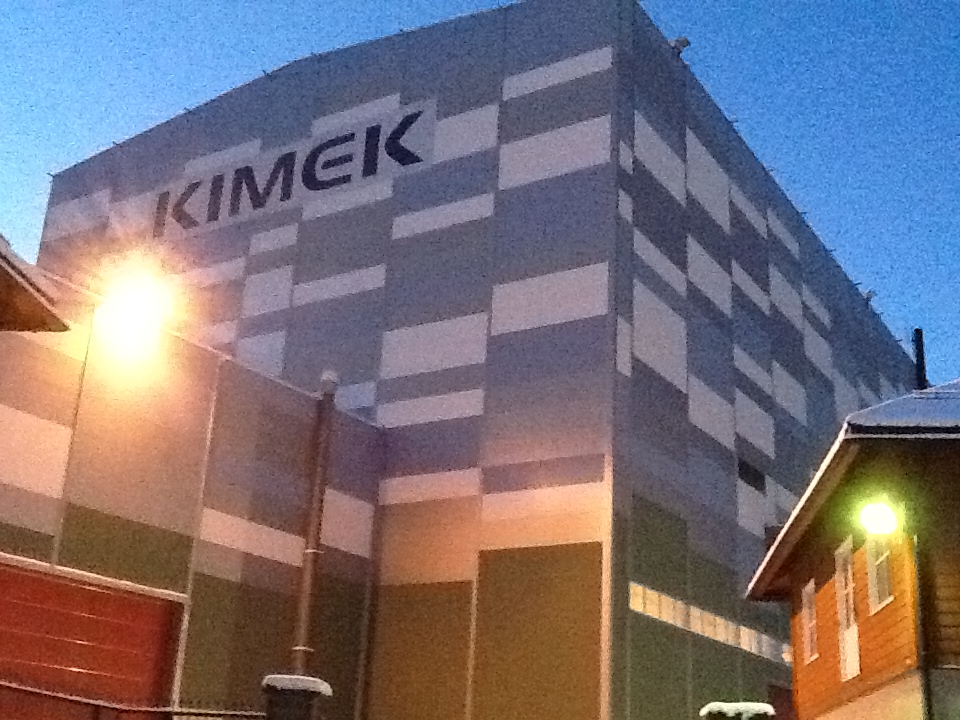
And more about concentrated Europe. She is in Kirkenes both industrial and post -industrial at once, not to mention the neo -industrial. Since 1906, there was a mine here, where iron ore was mined. Ninety years later it was closed: world prices for iron fell, the enterprise ruined. In 2007, it was again discovered: the mine first bought a Norwegian businessman, then the Australians. In deindustrialized Europe, where neoliberal governments to one degree or another erased from the surface (and from the subsoil) of the region a significant part of the "traditional" industry, replacing it with "creative" something (with "services economy"), Kirkenes is not an exception, it is an example from a glorious past, and a hint of enterprises, workplaces, strong state and strongest state and strong state and fuckers, strong state and strongest state and strong state and strong state and municipal budgets, in other words, a hint of a worthy economic and public future, which is not dependent on the inflated financial and spectacular sector.
Well, and as everywhere in Europe, only in rather difficult (to put it mildly) natural conditions, it is simply convenient and good to live here. I mean not only shops, roads, houses, transport and so on. A powerful (at the local level) cultural industry works here. In addition to ethnographers and local historians (their work is important in itself, of course), I mean contemporary art, which is considered the destiny of large capitals with great money. Once a year, the company of curators and producers Pikene Pa Broen ("Girls on the Bridge", according to the name of the picture of Munk) holds the cultural festival Barents Spektakel ; Artists, musicians, architects, scientists, writers, businessmen and politicians come to him from all over the world. This festival is also concentrated Europe; Maybe concentrated Europe Par Excellence.