
Translated material
Automobile cork of consciousness
But investments in the modern world are a large casino, so you can apparently speak wider: human nature tends to worry more about losing than enjoy the winnings .
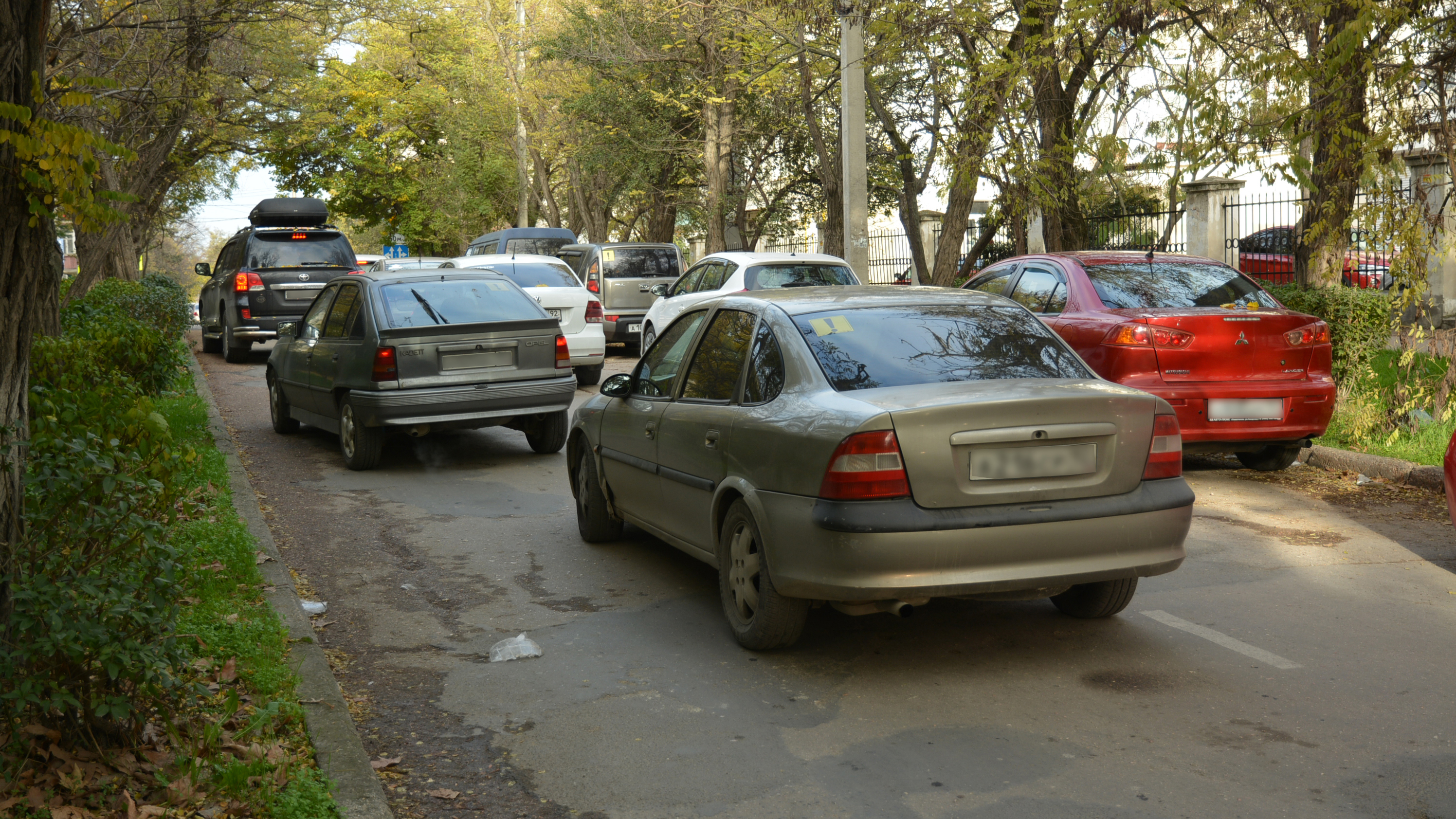
What does car traffic jams have to do with it? Getting into the cork (turn) plays a cruel joke with us, sharply exacerbating a sense of justice, changing the perception of time. Passing our psyche with a difficult test. The desire to get out of the cork as soon as possible leads to constant "rivalry" between cars, in which there are always winners and losers. The more “micromatchi” you lost, the more you are angrier, the more inadequate your behavior ... And “victories” do not bring much satisfaction. All this only enhances chaos on the roads, where the movement is already difficult to effectively regulate.
For most, it is important that the road takes a lot of time. Everything is not so bad in our perception, if we know why we set off, we can imagine how much time he will take, and do not feel the feelings that we have become a victim of injustice. It is often the most important that others manage to drive this path faster for some reason. In such a situation, letting a rebuilding machine into your strip is like applying a moral trauma to yourself. It’s a pity to give the “conquered”. Not only in traffic jams. Drivers, who took a convenient place in the parking lot at the shopping center in the midst of the influx of visitors, leave it more slowly than usual. Think about it: the place is no longer necessary , but I don’t want to give it away.
Even worse, when a cork occurs in front of you, but you do not know its reasons: uncertainty only enhances irritation, because expectation without knowledge of its causes is simply unbearable. And a very monstrous sensation of standing in the tail of a long cork. But, when there are a lot of cars from behind, you feel somehow calmer. As in the queue for pineapples in Soviet times: it will not be so insulting that the pineapples ended right in front of you if there were still 100 people from behind.
It is much more pleasant to move smoothly, even slowly than standing still. And this, in principle, is achievable, but cars in traffic jams retain a minimum distance and move with jerks, as people in the same line for pineapples are almost pressed against each other, although the waiting time does not reduce this. And any who tried to climb out of line is doomed to at least a gross insult with action.
You experience irritation even when at the intersection of a green light a neighboring strip suddenly begins to move faster than yours, because someone needs to turn from your strip, and he is waiting for a suitable moment. Here is an analogy with the queues in McDonald's, where, even becoming a shorter line to numerous cash desks, I’m not sure that you will be served before the one who got into a longer one. Loss in this “competition” also seems offensive injustice, although you made a choice yourself.
My friend, who taught me to drive a car (after a driving school, of course), somehow advised me during the intensive movement in the city to refuse to reorganize, taking a neighboring car, which was rebuilt constantly. In forty minutes of the journey, the winnings of the "opponent" turned out to be minimal. I saved my nerves and strength. And, probably, fuel. But without this advice (which I often recall with gratitude), too, probably, would be continuously rebuilt. By the way, at least 10 percent of the collisions on the road are associated with the rebuild from the strip to the strip, and the presence of the passenger in the car smooths the driver's nervousness.
Once the queues (irritation from them) played an important role in the fall of the Soviet regime. These, of course, were lines of a different kind.
But times are changing.
-


Andrey Sharogradsky
International Radio Offer Freedom. Author and host of the information and analytical digest, podcast "Time of Freedom"