
Translated material
Coordination Council
It’s not for nothing that there is an expression in Washington: “Laws are like sausages - it is best not to see them being made.” The process of a meeting of any collegial body for an unprepared observer looks like hellish insanity, an action with low efficiency and efficiency, and it is not clear why it is happening.
But being inside these collegial bodies, especially recently, you can try to understand the essence of what is happening, turning a blind eye to unimportant factors, try to understand what is really happening. Let's try to do this with the Coordination Council.
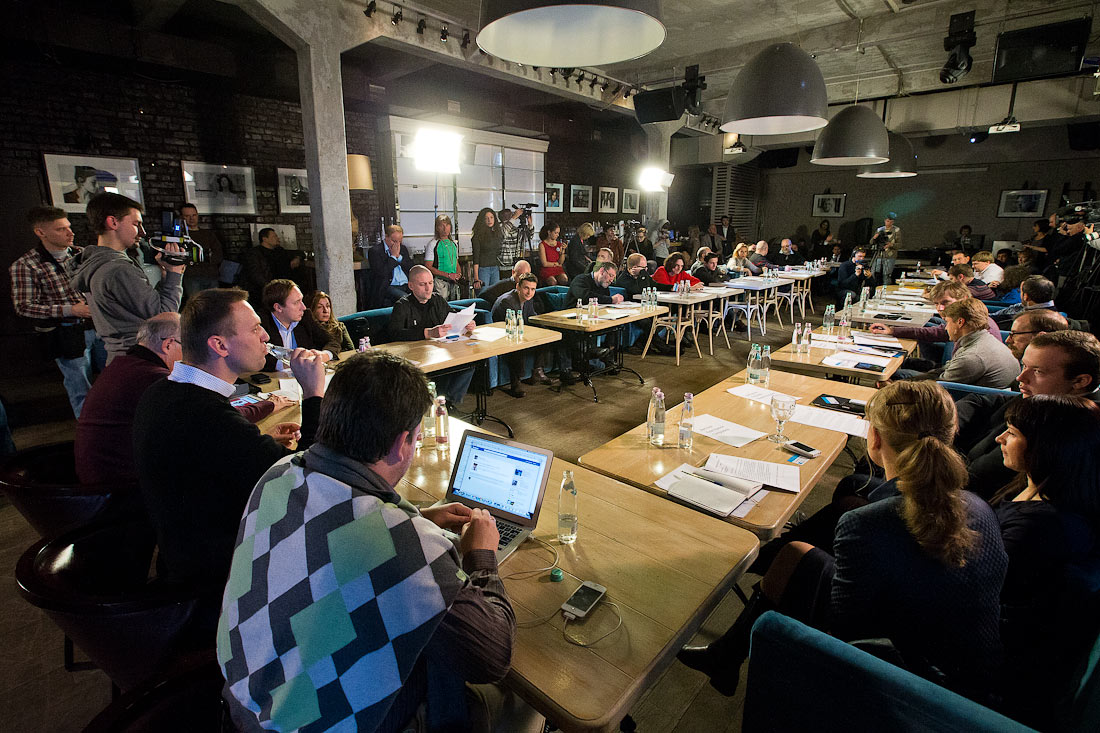
I have already written before that the main thing for such a new body is the rules of work. Until it is clear what is being discussed, why, in what format, what stages of discussion, how voting takes place and how decisions are formalized and how all this is financed, there is no point in this action at all. That is why I started pushing for regulations.
First meeting
The CS, unfortunately, tends to neglect strategic issues and focus on tactical ones. Although this body has no reason to deal with tactical issues - it has neither resources, nor respect, nor powers, and, in general, it has no influence on current events. So, in a pragmatic assessment, the only task of the Constitutional Court of the first convocation is to organize the work, as well as the elections of the Constitutional Court of the second convocation.
But since many format politicians have been elected and few are interested in the development of the situation as a whole, there is a tendency to run away to deal with what is on the immediate agenda. On the eve of the first meeting, it was the arrest of Leonid Razvozhaev. The first Constitutional Court was appointed in a hurry, the issues could not be worked out, and draft decisions were not prepared and discussed before the meeting.
My proposal to consider the regulations as the first question aroused the surprise of my colleagues; I barely managed to push through the consideration of the temporary regulations with the “zero” question; it was put to a vote by the chairman of the Central Election Commission. And then there were discussions of resolutions, decisive measures, immediate actions, and after three hours of the meeting, the members of the Constitutional Court even went to the Investigative Committee to stand with posters, having gathered, besides themselves, another 700 people for this cause.
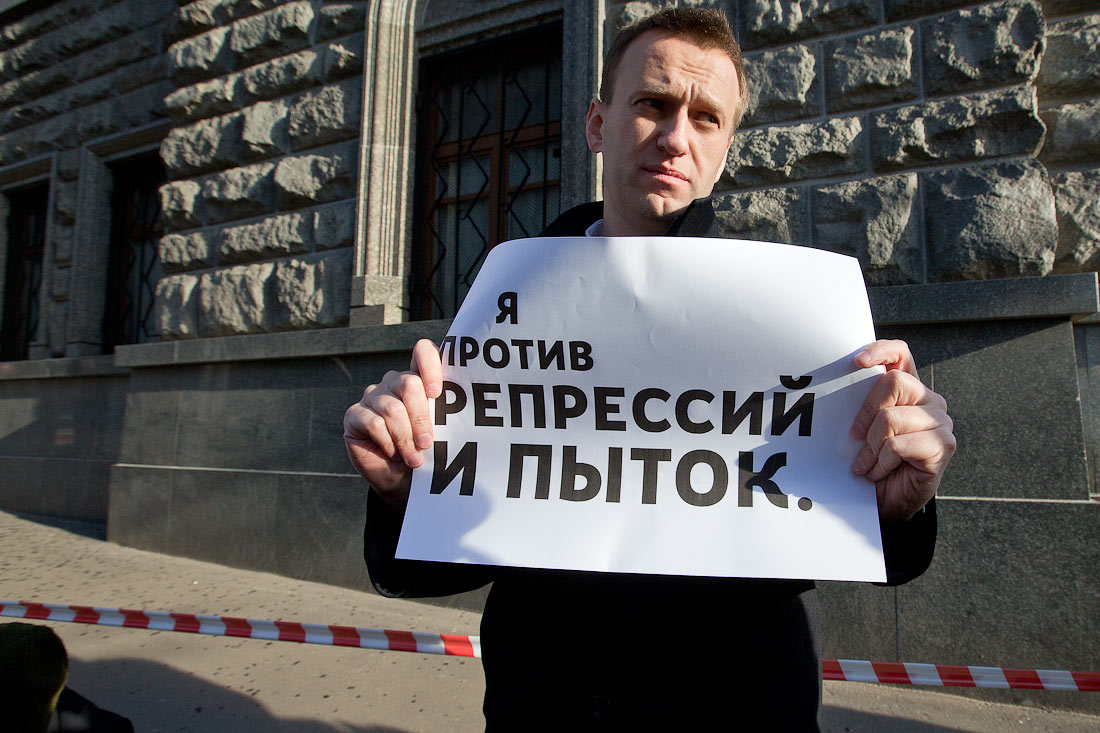
Although in some places they turned out to be cool shots :)
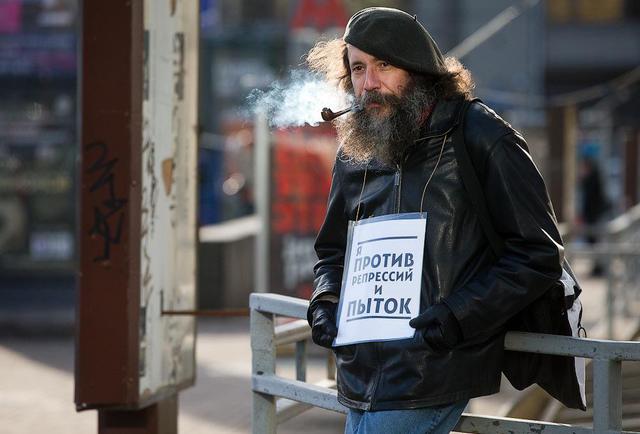
At the first meeting, responsible secretaries Nekrasov and Vinokurov were elected. The topic of Nekrasov’s nomination was completely misunderstood by a significant part of the Council, because it was prepared by people with extensive experience in parliamentary work, who forgot that here they were dealing with people without such experience.
The fact is that such issues are resolved largely behind the scenes. Even in the most super-duper democratic body, some of its members, in a situation where there is no budget for the secretariat and crowds of people willing, no election procedure or anything like that, find an adequate candidate, in their opinion, and behind the scenes explain to some colleagues why he is good. Not all colleagues understand.
Then they listen to what the candidate and those who nominated him have to say, and if there are no other candidates, then they accept the one proposed.
Here everyone saw some kind of conspiracy and a trick of the KS, but in fact we should be glad that at least some secretary was found and is ready to do tedious, uninteresting work for free. Another thing is that, of course, at the first meeting it was necessary to discuss the regulations, the procedure for selecting a secretary, the procedure for fulfilling the duties of a secretary before the selection and the budget. But the KS went to do the action.
In addition, a very dubious, from my point of view, statement by the Constitutional Court on political prisoners was adopted. It was with great difficulty that I found its text in the mail; it is quite difficult to find it on Google; as far as I remember, members of the Constitutional Court did not post it on their blogs either. Text here .
What's the problem with something like this? In two main things: it proceeds from the fact that everyone firmly believes that the prisoners are really in prison for political reasons and do not doubt this for a minute, and it is written in dry, incomprehensible language.
These two circumstances lead to the fact that the circle of audience who may be interested in this document is very narrow and limited practically to its authors and their acquaintances.
It does not carry any political meaning, does not influence the situation in any way, does not help political prisoners in any way, does not in any way influence the fact that people are not put in prison for political reasons, but rather, on the contrary, it says that the reaction to such actions will be completely toothless.
What needed to be done? We must not take the existence of political repressions in the country as an axiom. Not everyone believes in this, and those who do believe in it often cannot properly substantiate their position and, as the main argument, throw out something like a hysterical cry, “Oh, you little bastard!!! Are you for Putin, or what?!”
It was necessary to objectively review the case materials, listen to the lawyers of those we are talking about here, themselves, if possible, read materials on this topic, ask them questions. In our Constitutional Court there are at least two people who are on the list above, their representatives did not talk either on the sidelines, or at the meeting, or in the internal newsletter about the situation with their candidates.
Here we can cite the example of Alexei Navalny - when a case was opened against him in Kirovles, he described in great detail why the investigators were wrong. If he is convicted in this case, then I will certainly consider the case political, because everything was explained to me in detail simply and clearly. With all the other characters listed, I, like many others, do not understand this.
This approach, with the religious belief that cases against oppositionists are always political, has led to the fact that the most important topic of imprisoning undesirable politicians in Russia interests no one at all, not even activists. Because people don’t like to be manipulated, and this topic with faith is precisely manipulation. There is a great fear that if something happens to Alexey tomorrow, then 500 people will also come out, and this really scares me, because one of the most vulnerable areas of the rear is exposed. Control over the lawlessness of the security forces can only be established by society, and when the leaders of society have arguments such as those written above, then this control falls apart, and you (or Navalny, or Volkov) are left alone.
Second meeting and action on the 15th
At the first meeting, it was decided that we would consider the regulations at the beginning of the second meeting, but the Constitutional Court again went into tactical matters and changed the agenda, deciding to first discuss the mass action on December 15.
Here the same story came out as above - Udaltsov dropped this topic, and it seemed to everyone that it was clear to everyone that there was no need to hold an action in the cold before the New Year without some immediate reason for it, but no one could say this, because he would immediately be declared an enemy of democracy. I wanted to speak on this issue, but since it was put before the regulations (which, in my opinion, is strategic and much more important than the tactical issue of the next action), I did not argue with my colleagues, because I could have been cut down on important points of the regulations.
As a result, an action was scheduled and an organizing committee was created. Subsequently, negotiations with the mayor's office were ugly. Here I have information from both sides, and from the side of the mayor’s office it sounds something like this: you don’t have a rally at the end of the rally, after the march everyone in the metro will not disperse, so we have instructions from the FSB not to let anyone inside Boulevard.
In such a situation, you can go in two ways: you can try to push the mayor’s office on the basis of the Constitution and get an inevitable refusal with some kind of crap about transport and do something about it, or you can think about and agree on a good route outside the boulevards (for example, along the boulevards to Pushkinskaya, it was proposed).
The negotiators decided to go with the first option and submitted the issue to a referendum on D2. The referendum itself was completely meaningless; it was clear to everyone who organized it and promoted it that the audience would say “insist.” After all, it’s not for these same people to then go to an unauthorized rally; it’s very difficult to imagine oppositionists who will say “agree.” The referendum was held not to find out what the audience would say, but to put pressure on the mayor’s office and make it easier to go with the first option.
But the disposition was completely unsuitable for engaging in such a serious tactical battle. December, -15, there is no reason to leave - our negotiators did not have the powerful tool of last year in the form of tens of thousands of people who will still come out because they were deceived. Putting pressure on the mayor's office, especially in the person of the vice-mayor, is a serious matter; this requires a very serious rear and careful maneuvers. On our side, without any rear support or maneuvers, people bluntly said, “Come on, give us the center, this is our constitutional right.” The vice mayor slammed the whole story with a slipper and was gone. The action did not take place, the showing of teeth in the form of an unauthorized action failed.
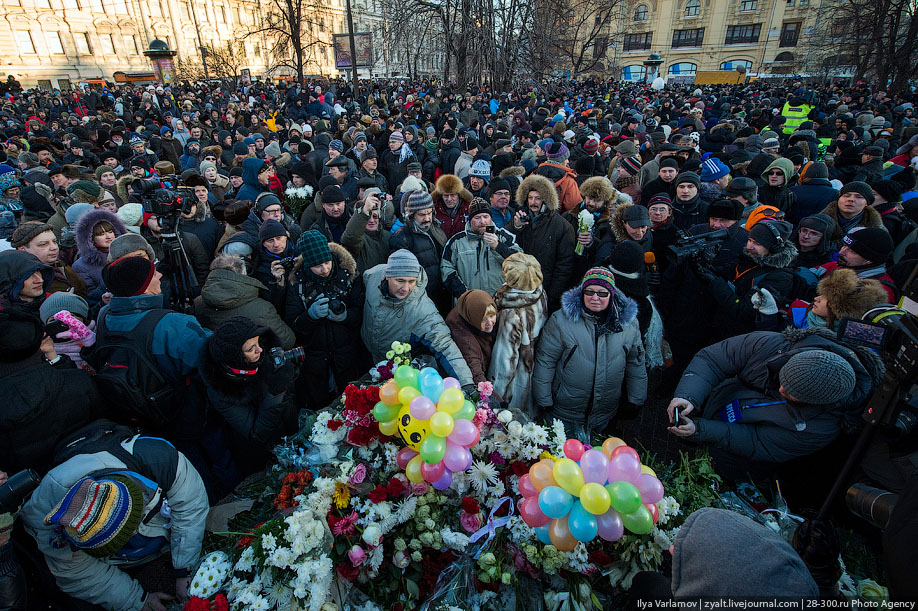
It visually seems that there are a lot of people here, but this is an illusion - there are no more than 3,000 people here.
After the action, the regulations were reviewed. There were several important topics and several topics of medium importance. The most important topic by a wide margin was the adoption of regulations in general :)
The second most important thing is to make sure that decisions can only be made by a majority of the Constitutional Court’s list (23 votes). This was very important because this is a point that forces members of the Constitutional Court to seek compromises when making decisions, and the decisions then turn out to be representative. Otherwise, if decisions could be taken by a majority of those present, then some decisions could be made by 12 votes (quorum 23, majority 12), this would mean that, for example, the most persistent members of the Constitutional Court who had sat for 7 hours from the beginning of the meeting could make decisions of the Constitutional Court. This was successfully accomplished; decisions are made by a majority of the payroll.
Secondary topics: I wanted a permanent chairman, because then responsibility for the work of the body would be personified (most likely, in Navalny) and he would definitely become more efficient. But Navalny himself did not support this topic, and it did not pass.
I would also like to oblige the speaker to speak from the podium; this would lead to the fact that the meeting would have a fundamentally different appearance. For some reason, a current State Duma deputy suggested rejecting this, but he, of course, knows better. It didn't pass.
I also wanted a regulations commission, the head of which (most likely, me) would have the authority at meetings to monitor compliance with the regulations. Without a full-time chair, there is a need for someone who can, without fear of ruining relationships with colleagues, ensure that issues are addressed as they should be and speeches are given within the allotted time. It didn't go away.
In general, it was possible to adopt normal regulations, but it was not possible to continue work on them, since a regulatory commission with the appropriate powers was not created. But since the document on working groups was submitted to the next meeting, I decided that we would accept it there, and then I would work on finalizing it.
Third meeting
A much lower quality hall was rented for this meeting, in my opinion, in vain. So we can get to the point where we sit in the school assembly hall, and this all affects the mood and behavior of those present.
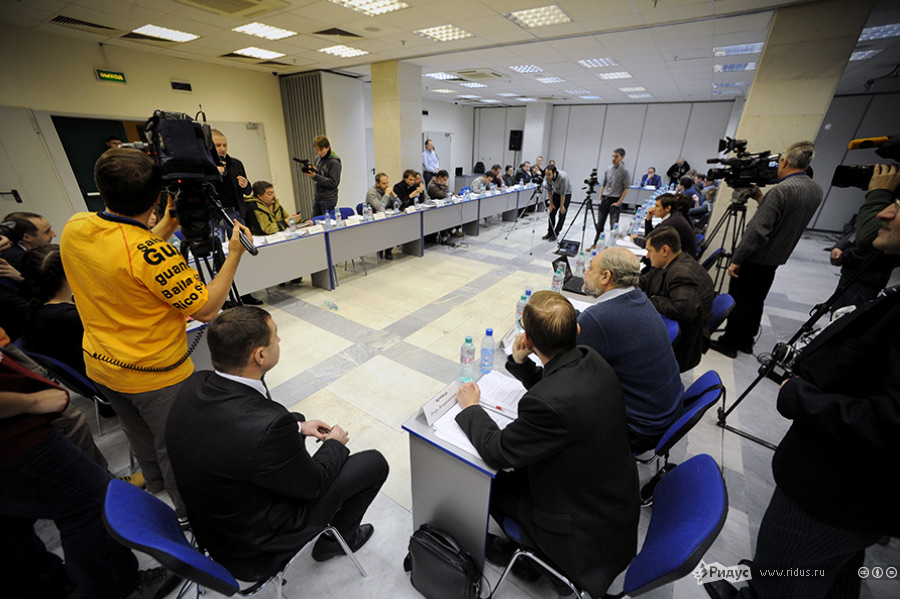
We started by discussing the results of the action and accepted the statement that it was successful. Reluctance to admit one's own mistakes and failures is a characteristic thing for politicians, but politicians do not understand how dangerous it is. Entrepreneurs understand that this leads to repeated mistakes. A mistake in itself is not scary at all, it’s even good. But convincing yourself and others that everything was fine is very dangerous and bad.
Unfortunately, the Constitutional Court took this path, and I was not present at the beginning of the meeting and could not offer to apologize to voters for the failure in organizing the action.
Then all hell broke loose, we moved on to discussing the political program of the Constitutional Court or something like that.
I must admit, when I went to the CC, I thought that it would be something like a municipal meeting, only better. That is, there will be people there who, in general, do not really want to work, but in principle want the work to go on, and have a more or less active position on what is happening. I expected that in the CS there would be more desire to develop this whole story.
Imagine my surprise when it turned out that a significant part of the members of the Constitutional Court (and many “liberals”) not only do not think about the strategic development of history, but in general their sphere of interests mainly includes writing various political manifestos, and what really matters to them is how harshly it will be written there, that they do not recognize the current government, are under the yoke of stinking worms curled up in a ball and offer the free citizens of Russia to do something there.
The champion in this story is Andrey Piontkovsky. When an editorial group was created to prepare a political statement, he was elected to it, he delegated his work in it to another elected member, Nemtsov, then he did not like the quality of Nemtsov’s work, and he left the working group and wrote another statement on his own.
Here is the text of these two statements. We read carefully, trying not to laugh out loud.
[ Proposal by Piontkovsky, Kasparov and others ]
Peaceful anti-criminal revolution? Uuhahahahaha.
In response to this whole story, I prepared a speech, which I have not yet said and, apparently, will not say, since I will miss the next meeting, so you can read it here:
“It’s not at all clear to me who all these policy statements are addressed to.
If we speak to our current supporters, then it expresses things that are nothing new for them. From the spirit of the statement it follows that the listed theses do not need confirmation, because everyone believes in them anyway. They largely clarify a political position, rather than calling for action or provoking thought.
We are trying to give supporters some ready-made answers, without supporting these answers with confirmation and evidence; we expect that the reader of this appeal agrees with us. Then why write it? To see if he really believes it? Is this the right supporter?
In general, in my opinion, our program should be addressed to those who do not support us or are hesitant, so that it becomes clearer to them who we are and what we do, and such a laying out of ready-made answers to all questions in the form of axioms is in no way suitable.
Our task, in my opinion, is to give people information, make them think and invite them to come to their own conclusions.
But this statement does not offer information for thought; it offers very controversial ready-made answers, claiming that these are obvious things and you just need to believe in them, and if someone doesn’t believe in them, then something is wrong with them.
This is rather the format of a political poster or an oath of allegiance to party ideals, and not at all the format of a policy statement.
There is also a feeling that the document is generally addressed by the Constitutional Court to itself in order to emphasize the importance of the mission that, according to the editors, is entrusted to this organization.
The document in its current form is addressed to a narrow circle of our supporters, and repels neutral people with its pretentiousness and peremptory nature.
This is the same thing that the non-systemic opposition has been doing for 10 years, this is the publication of theses that no one can argue with because of the danger of being branded an enemy of democracy and freedom, but which do not unite anyone and do not motivate anyone to action.
Let's try this time to create an organization that will not base its activities on such a basis. Let's not accept this document."
There is hope (albeit weak) that the document will be rejected and not accepted. But, most likely, they will discuss another half of the next Council and accept some kind of “compromise option.”
The inferno continued with discussions among the working groups. Almost all amendments were rejected, including Gennady Gudkov’s amendment stating that the chairman of the group must be approved by the Council (usual parliamentary practice), adequate amendments by Sergei Davidis, and my amendment on the creation of a regulations committee was rejected.
This was especially unpleasant because it was rejected almost unanimously; Navalny, Sobol, Alburov, and a considerable part of the Citizens Group did not vote for it - it was such a vote of no confidence in my work on the regulations. On the sidelines, many told me that they believed that the rules commission should not have the right to keep order during the meeting, so they did not vote in favor.
Even in the practice of the Municipal Assembly, where no one likes me at all, when I bring proposals for improvement, on which I worked a lot, everyone listens to them and votes for them, and when they bring a land surveying project, everyone listens to Grebennik and also votes. When you carry out some kind of work, it is not supported only in extreme and fundamental cases.
In the Constitutional Court, delegates who do not plan to deal closely with your issue consider it normal to block your work, with the remark “you have the wrong plan for the work of the commission.” Wrong - go in and make it right. Regulate my work, like, this is what we allow you to do, but not this? And not opponents, but allies? Excuse me, work on your own.
This, unfortunately, was the end of my work on the Constitutional Court regulations.
Then a similar story happened with Vladimir Ashurkov and his budget committee. Владимир сам проводит адскую работу по организации этой части работы КС и вышел с просьбой принять разрешение тратить 100 тысяч рублей в месяц на организацию заседаний, 150 тысяч в месяц на защиту политзаключенных и 100 тысяч в месяц на электронную площадку.
Я задал Владимиру вопрос про уместность помощи политзаключенным в таком формате (есть "РосУзник" и каждый может сам помогать при желании, непонятно, зачем тут КС), получил ответ.
Суммы для организации работы такого органа крайне мелкие. Если сравнить их с семейным бюджетом, то это, считай, речь о том, чтобы одобрить расходование 5000 рублей в месяц на бензин.
Вопросы, которые задавались Владимиру, были примерно такие: "зачем снимать зал, когда можно найти бесплатный", "зачем нам бумага, микрофоны и вода, надо экономить", "зачем тратить на электронную демократию, когда есть Facebook".
Для полноты картины нужно было бы расформировать ЦВК, тогда КС убил бы на одном заседании все три более-менее действующие в рамках него структуры. Мне вообще непонятно, как Владимир Ашурков будет заниматься бюджетным комитетом дальше.
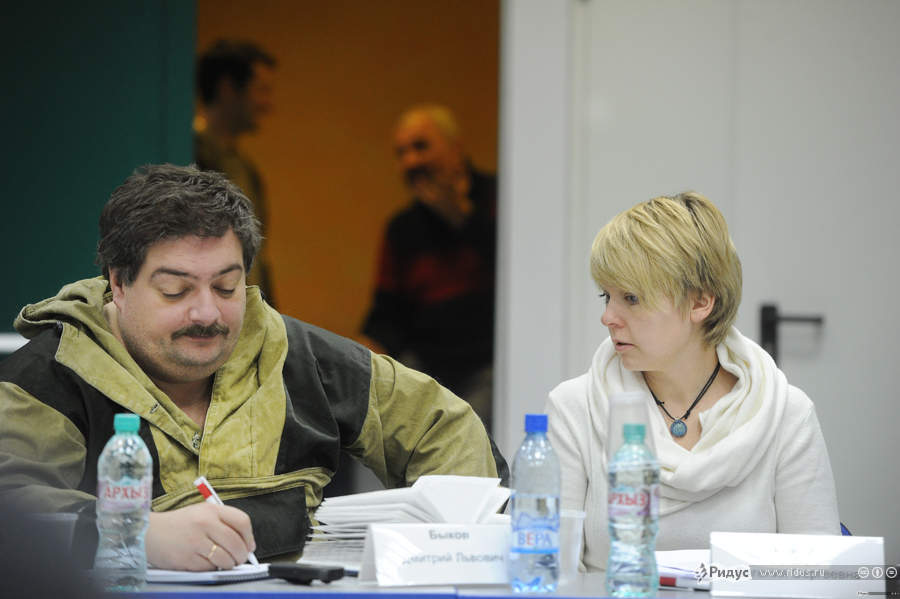
Ощущения в целом — люди совершенно не понимают, куда они попали и зачем. Они считают, что находятся в органе масштаба европарламента, и могут выпускать политические резолюции, которые как-то повлияют на ситуацию, а на самом деле они сидят в органе масштаба посиделок на кухне, и от него требуется организации собственной работы, собственного финансирования и работоспособных структур, а не выпускание заявлений.
Люди ведут себя так, как будто у каждого них за спиной миллионная поддержка, при этом реально какую-то ценность представляют только считанные персонажи.
Есть очень значительное количество адекватных людей, которые хотели и могли бы что-то сделать, но им не дадут, замурыжат обсуждением политических заявлений и манифестов. В целом, как мне кажется, путь до чего-то работоспособного тут не очень далек — нужно просто выкинуть всех, кто прошел через курии. Без курий количество тех, кто желает обсуждать манифесты, составляло бы меньше трети, и работа строилась бы адекватно.
Из положительного — налаживается общение. Я, например, в результате работы в КС познакомился с Сергеем Пархоменко, Михаилом Гельфандом, Ксенией Собчак, Дмитрием Гудковым, Александром Винокуровым, Борисом Немцовым, Гарри Каспаровым и многими другими. Эти люди адекватные и способны на многое, есть ощущение, что еще немало с ними сделаем.
В таком виде, как сейчас, КС — это, конечно, пустая трата времени. Следующее заседание я в любом случае пропущу, так как председателем избран представитель националистической курии. В дальнейшем посмотрим, если он вдруг не развалится до февраля — сделаю еще пару попыток туда сходить и поглядим.
Если вы, прочитав это, стали разочаровываться в независимом политическом движении — это вы зря. Все будет хорошо, есть все основания считать, что в течение года-двух сформируется какая-то работоспособная структура, которая начнет делать большие сложные интересные проекты. Есть много заинтересованных людей с редкими интересными скиллами, есть кое-какие финансовые возможности и возможность краудфандить различные проекты, есть явный запрос на такую историю и желание ее создавать.
Но, к сожалению, не удается пока отцепить багаж привезенных из прошлого непонятных политических персонажей, которые приехали из времен, когда база сторонников насчитывала 500 человек и могла быть расширена до 900. Они не дают развивать базу сторонников, они не дают делать конструктивные проекты, они хотят сидеть и делать политические заявления, считают, что пожинают сейчас плоды своей работы за много лет.
КС был хорошей попыткой отцепить это дело, но, к сожалению, они продавили себе курии и теперь сидят в КСе. Появившейся лидер (Алексей Навальный) в связи с тем, что он один и не испытывает никакой конкуренции, не спешит разменивать часть политического капитала на реформирование движения и превращение его в нечто более работоспособное, и его можно понять. Оппозиция сама нуждается в намного большем реформировании, чем власть, судя по имеющимся данным.
Не торопите события и не разочаровывайтесь, все будет :) Но не прямо сейчас.