
Translated material
Pasternak in January
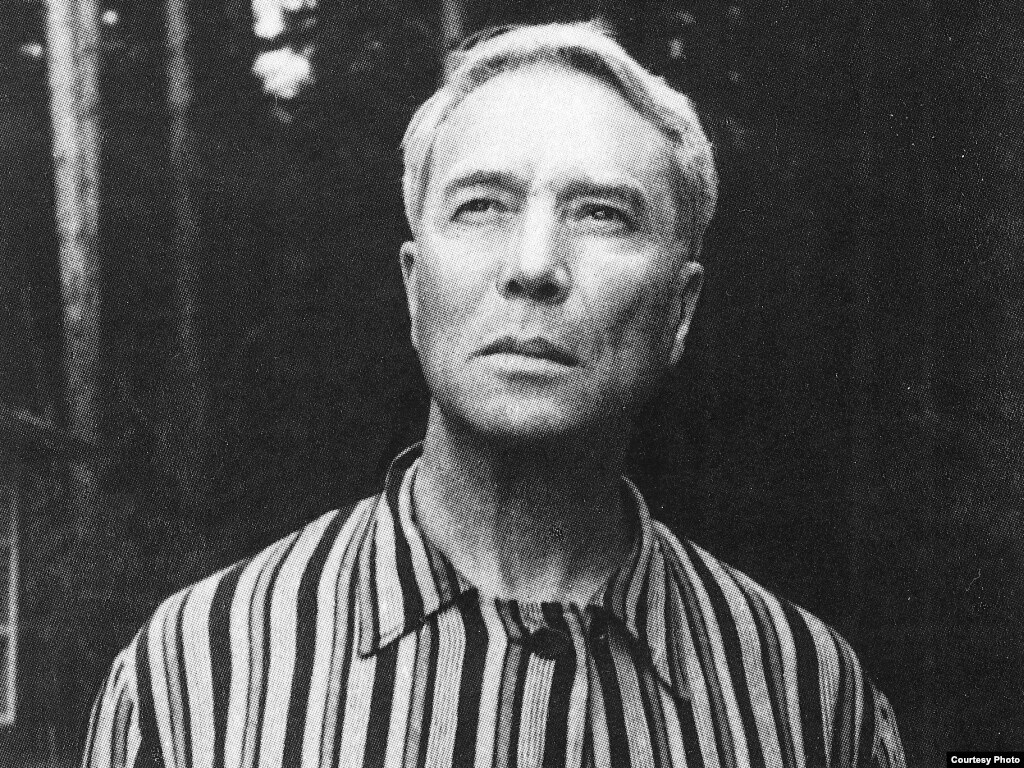
For Russian emigration, the figure of Boris Pasternak by the mid-1950s became almost unlimited from other figures of Soviet literature. Neither in the direction.
Behind Pasternak, there were no loyal performances, participation in collective letters. But he was not seen in anything “opposition”: he was not worked out more than others, did not excuse from a typographic machine or scene. And although we now know that Pasternak was giving up and was persecuted, but half a century ago, the country was closed and the emigrants about the Soviet literary situation knew far from everything.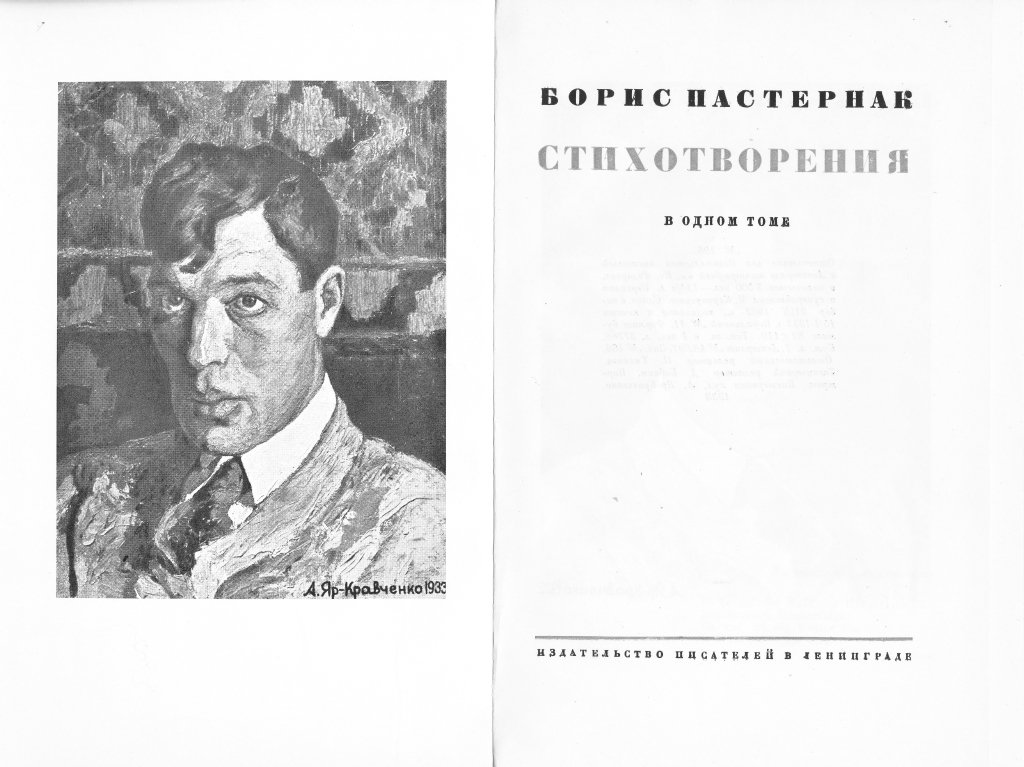
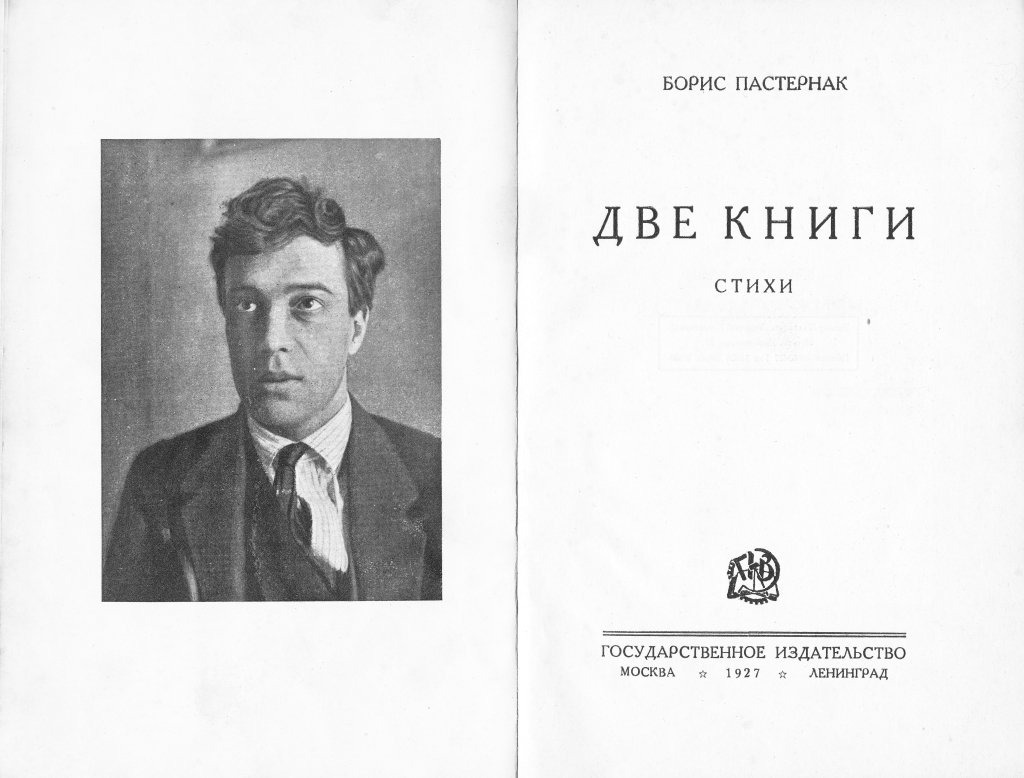
And then the Dr. Zhivago struck. Emigration was as if replaced: everywhere - in newspapers, magazines, on the radio, and if there was then television in exile, then on it - the Pasternakov name began to rattle. The Nobel Prize in the fall of 1958 added only in the amount of praise, without changing their unconditional quality. All this, of course, did not interfere with the vanity of the vanity, and Pasternaka - Pasternak.
The sound fragment proposed today refers precisely to these Pinelic times. January 1959. Boris Leonidovich reads and comments on our New York employee (and the poet himself) Vladimir Yurasov.
For Russian emigration, the figure of Boris Pasternak by the mid-1950s became almost unlimited from other figures of Soviet literature. Neither in the direction.
The completely radio program “December”: the January air from the Freedom Archive, listen on Tuesday January 22 at 23 hours Moscow time.