
Translated material
Nabokov, Dmitry Vladimirovich
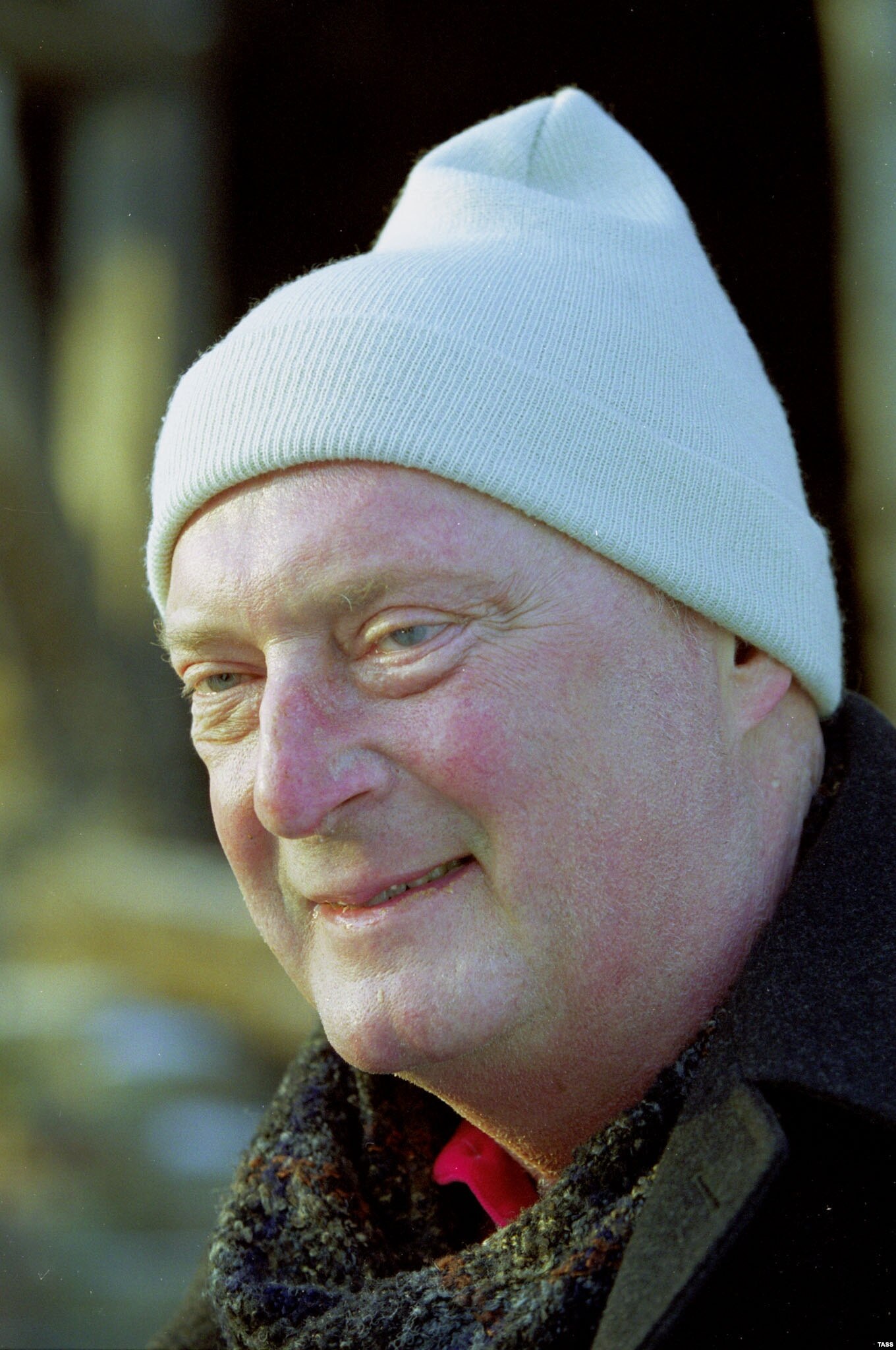
-We spoke in the family in Russian until I was six years old. At six, we ended up in New York, I returned from school on the first day, an American school, and announced my mother: today I learned to speak Aglitsky. Later, indeed, I learned to speak and write quite quickly in Aglitsky, sometimes I flaunted at home expressions that I heard in schools. The Russian remained the main home language, but there were also the violets of French and English. Like my father, I always thought and think with images, I imagine mental paintings. And I always dream of dreams, as he also dreamed.
- You asked your father, who you are Russian, American, Swiss?
-You know, in those years I could not be a Swiss, since this wonderful country began to visit only in the sixties, and my parents in Switzerland settled in the 61st. But in general, I never had a crisis of nationality. Microcosm, the ideality of a happy family on a kind of Russian soil, if you want, replaced the need for something to belong. At the same time, I am proud of my blue American passport. I recall with joy the blue American mountains that appeared on the horizon, like mirages. I am proud of Harvard education. I love America with all its shortcomings. I am happy to spend part of the year under my Florida sun.
I met Italy when I was twenty -five. I came to speak, end musical education, and with this country I had a mental connection forever. I performed on the opera scene and even on the cinematic screen. I translated and continue to translate my father’s works into Italian. I participate in automobile and motor-lodge races. He retained not only the house on Sardinia, but the most important thing: the bride-worker, who has a brilliant brain of Slavste, who has matured in the Mediterranean Sun.
- In the English -language world of your father, it was recognized relatively late. Did the father have a halo of an unrecognized genius in the family?
- He thought about the Scripture, not the recognition. The halo of genius does not change from this.
- Your father composed chess tasks, invented the crucifixions. You took part in this, did you solve these problems?
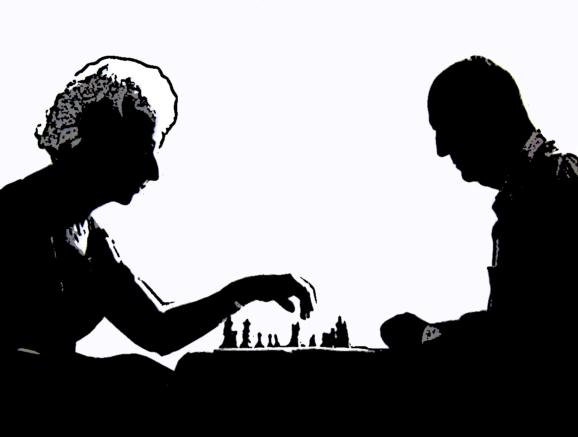
- Did you have a net? Have you caught butterflies with your father?
- It was, there was a net. I went with my father. Even thanks to the father, together on some labels of the Harvard collection appeared together. He presented to the Lozann Museum what seemed a small collection, but turned out to be four thousand copies. This is the last father’s collection that remained after his death. Daddy, however, have former grandfather's, tournament chess, as well as gloves in which my father taught me to box. But I did not become an entomologist either.
-Different fathers bring up their children differently: some with a belt, some moralizing. How did your father raise you?
- Without a belt. With tenderness, with humor. No matter how immersed in the composition of the novel, I always had time for me. No matter how knowledge he shared with me, expressed a thought, be it simple or complex, original and funny as my mother. He shared with me happiness, optimism, humor, honor and genius. Many of these qualities value it in it. Others cannot forgive him, as they cannot reconcile with the fact that his genius was finally recognized and that life survived in the warmth of perfect family happiness.
There is, for example, a person who walks in Nabokov biographers, and even quoted by the Moscow magazine "Our Heritage". This is the so -called princess. About the princely origin of this fierce anti-Semitite, by the way, who hate my mother, it seems, could say something Jewish landowner, a family neighbor in the estate, if he were still alive. This person after fifteen years of friendship with Nabokov and with his wife devoted the next fifty years to the collection of the archive, consisting exclusively of gossip and nasty things about my parents. She does not even know what I am familiar with this archive. And even admitted to one real biographer that her book was actually written against Vera Nabokova.
- Could you enter your father’s office or was this cabinet a holy of holy ?
- We did not have such prohibitions. But I learned early that you do not need to interfere in vain. Over time, my father began to entrust me with translations of Russians and sometimes checking his English works.
- Father's tastes, literary, musical, affected your tastes ?
Musical less. Father said more
In all, he hates in life oppression, cruelty, stupidity, dirt and meaningless musical background. Despite this, he came to my debut when I won a music competition in Italy and performed in Bohemia with Pavarotti. He admitted to me that he loved some works where librettists and composers expressed respect for the author, for example, Boris or Carmen.
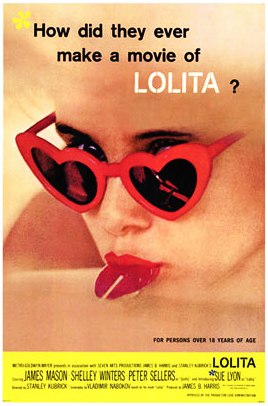
-At what age did you read Lolita and whether something new has opened for you in your father after reading this novel ?
- I read the dad's work immediately after their release. And in what sense "something new"?
- For you, it was a surprise that the father wrote about love for the girl?
“Well, you know, I already had how much?” I finished Harvard or already finished. I was familiar with the writer's philosophy of my father, so to speak. Its study of mental aberrations, physical, as in the dwarf of the "potato elf" - this study was the refraction of the world, a scientific analysis of this world. Pedophilia is one of many aberrations. If you attribute to the author what he writes, then each author of the book of a killer or suicide.
- Do you recognize yourself, your words, your actions in the novels and stories of your father?
- You know, the Lance story was partially written about me and expresses the peculiar experiences of my parents when they expected me at the foot of the mountains, where I climbed. This expresses ... Here is also a refractiveness-life in the terms of the astronaut, long before the arrival of the real era of astronauts. And in Lolita there are small expressions of American teenagers that I brought home in those years.
- Yes.
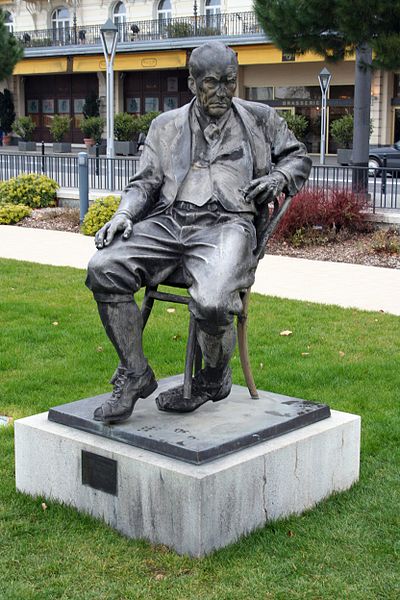
- For you, is it a burden or happiness to be the son of Vladimir Nabokov?
- The burden, when, despite the agents and the secretary, you have to waste time and effort on a absurd routine, when vulgarities and pirates distort the art and personality of my parents. Joy when I translate Nabokov or others translate and publish decently. The burden when stupid questions are posed, joy when the questions are smart.